A practical continuous improvement routine for small teams
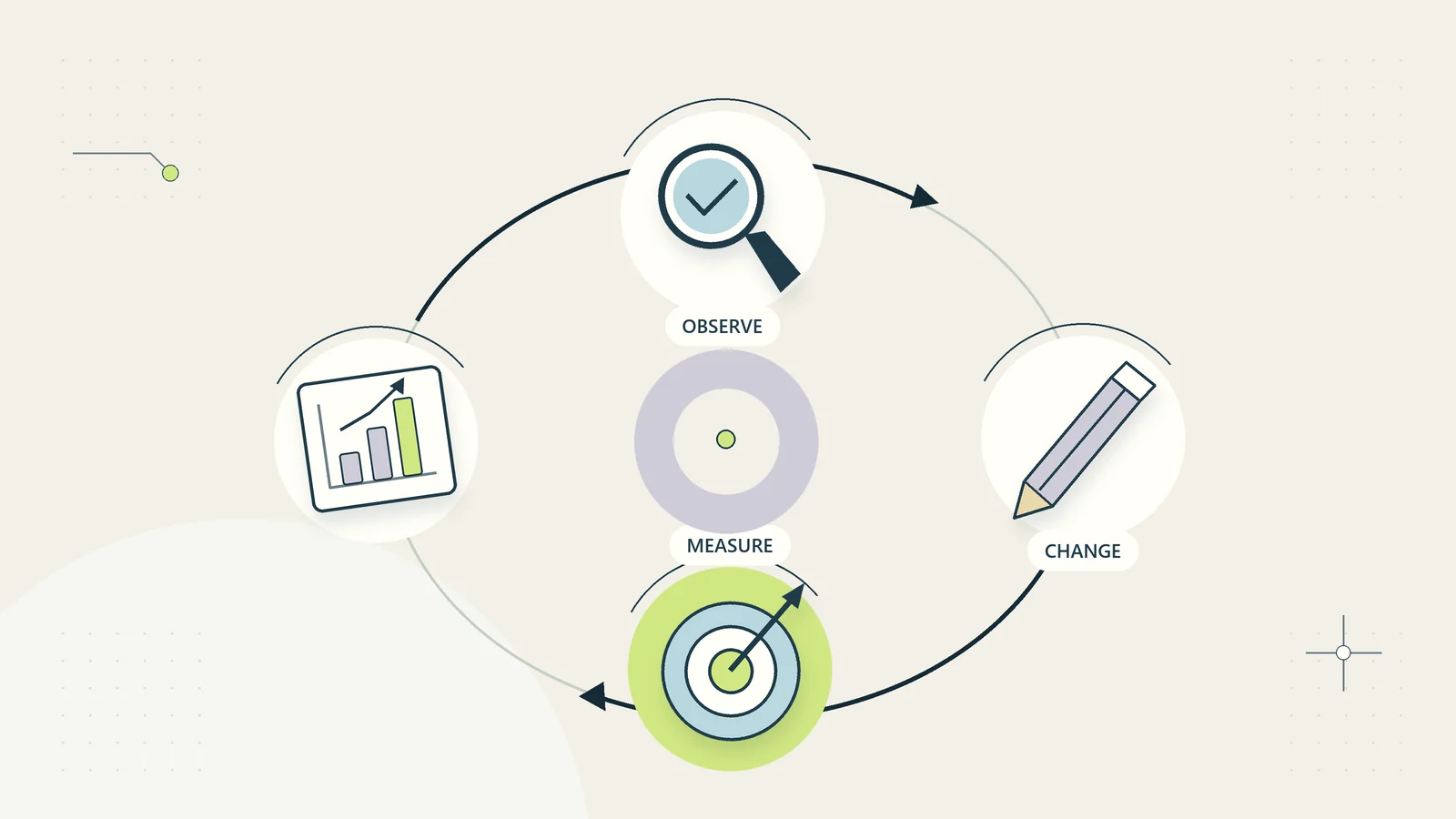
Run a manageable continuous improvement routine with a problem register, testable changes, balancing measures, and clear adoption decisions.
Practical ways to document work, reduce administrative friction, and choose useful improvements.
Run a manageable continuous improvement routine with a problem register, testable changes, balancing measures, and clear adoption decisions.

Choose between a checklist, SOP, and reference guide using the task, reader, and failure mode, with examples and a practical testing method.
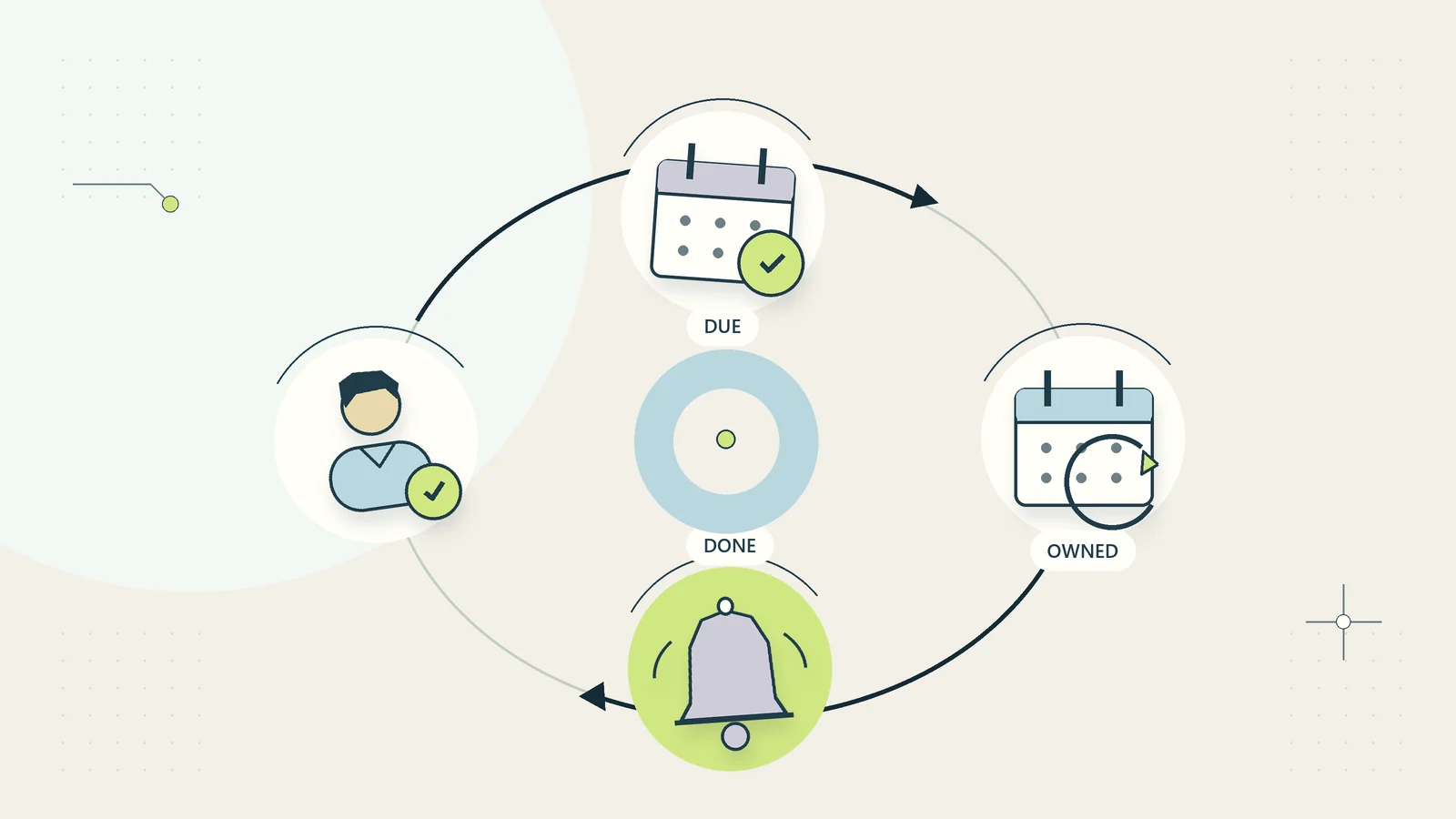
Organize recurring work with clear schedule rules, unique occurrences, useful reminders, coverage, and honest completion evidence.
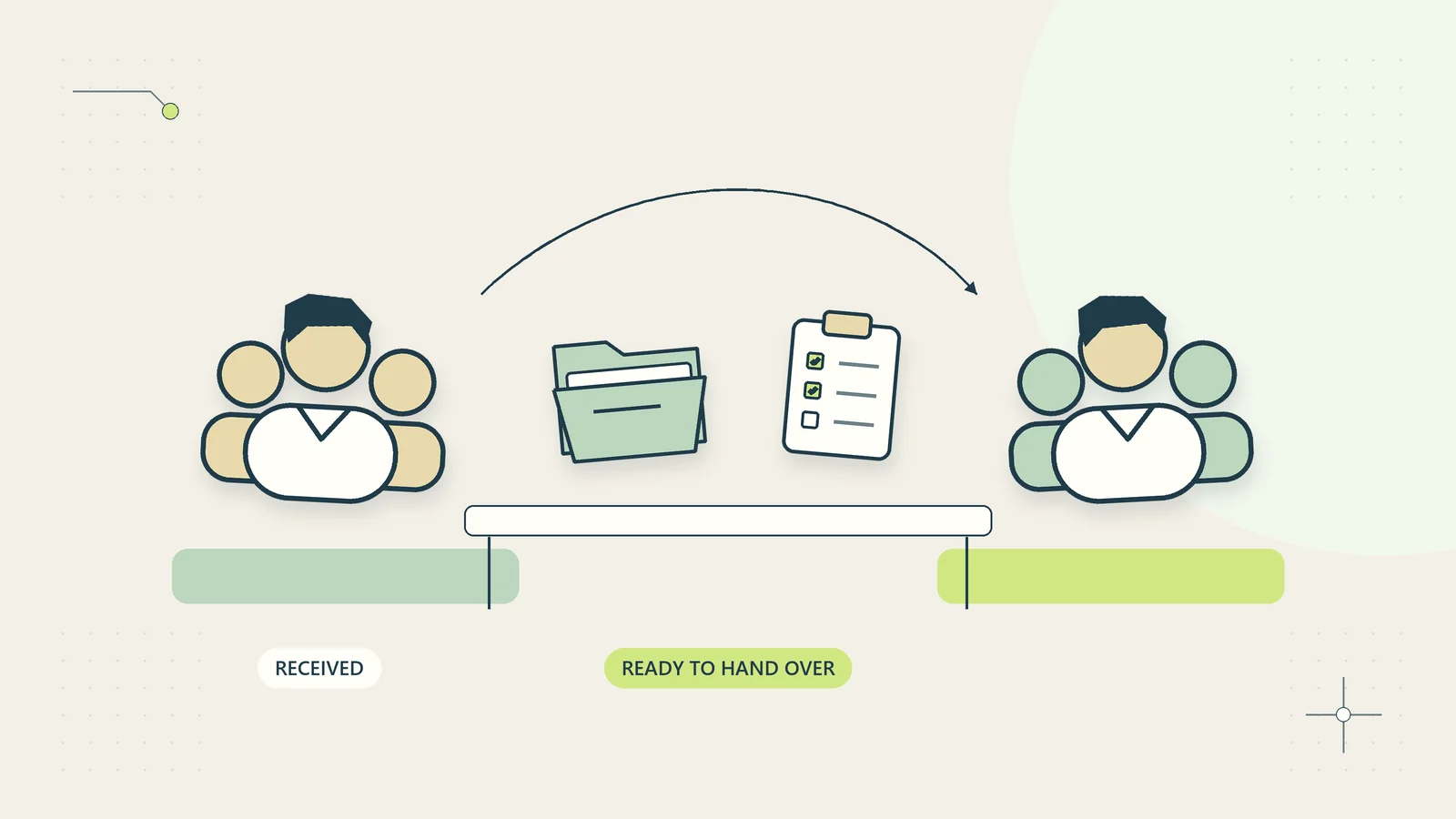
Create business handoffs that receivers can accept, with clear scope, usable evidence, ownership, exceptions, and a practical checklist.
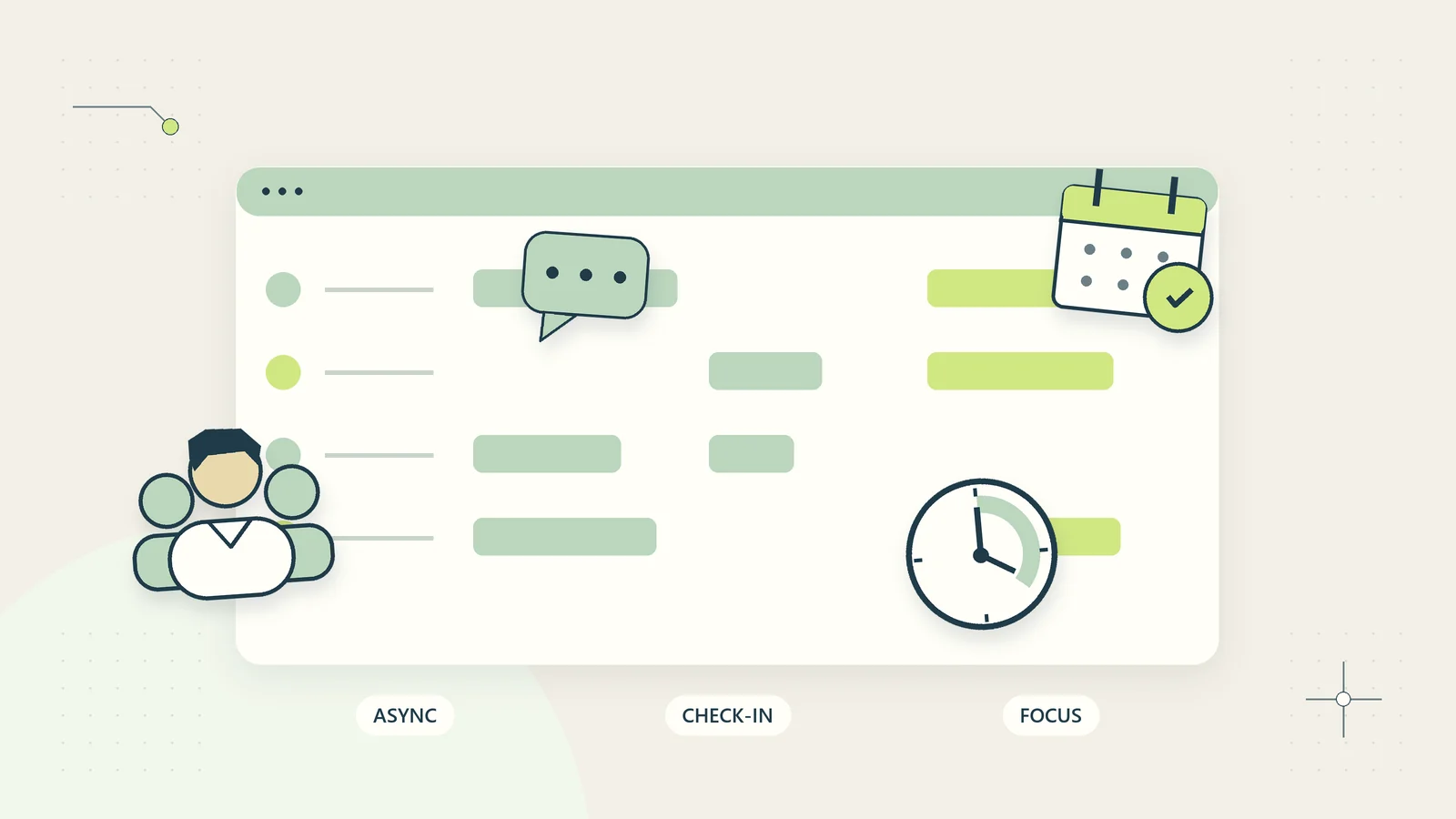
Design a remote team rhythm around work, written context, time zones, review cadences, durable decisions, and a clear escalation route.
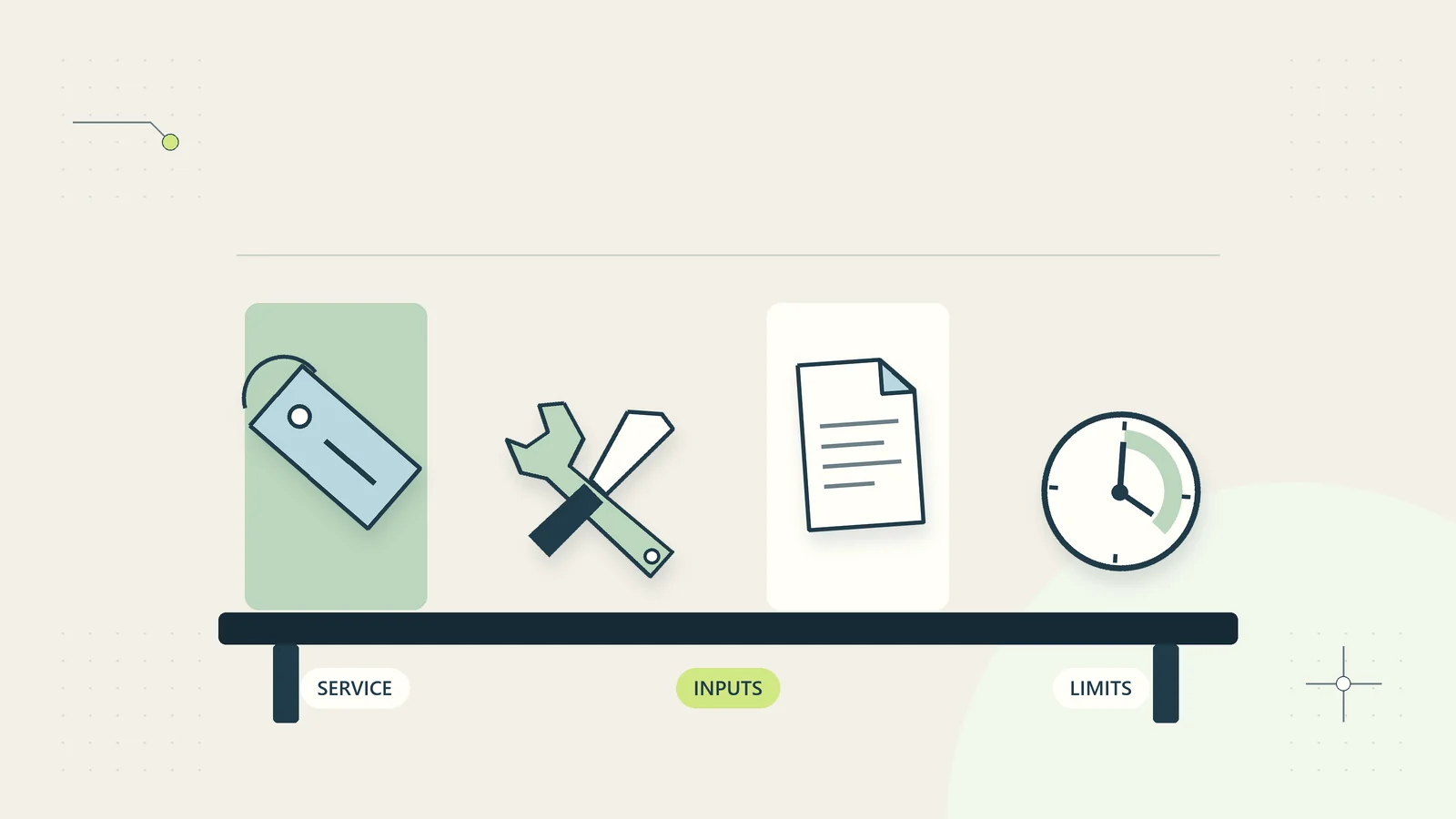
Create a service catalog with clear outcomes, honest boundaries, required inputs, delivery details, and self-serve choices people understand.

Map the real steps, decisions, waiting, and handoffs in a small-business process before redesigning it, with a practical digital-delivery example.
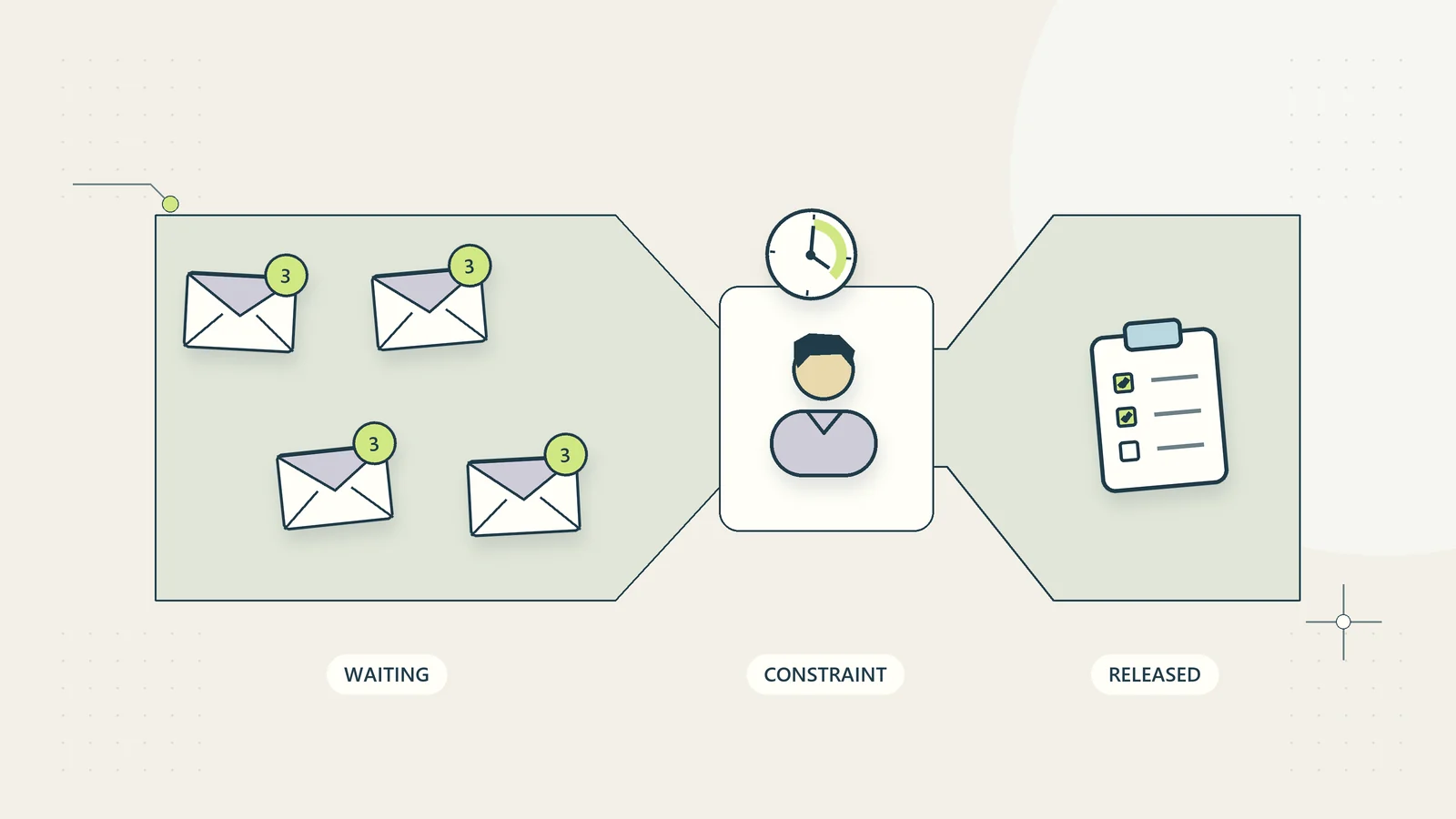
Find the stage limiting completed work by separating demand, active effort, and waiting, then test a focused change without simply moving the queue.

Build a clear intake queue that separates received requests, ready work, and accepted commitments, with priority rules, useful responses, and absence cover.

Plan service capacity by usable hours, skills, and decision authority, with a worked review-capacity example, demand scenarios, and realistic absence cover.