How to find the bottleneck slowing your small business
Find the stage limiting completed work by separating demand, active effort, and waiting, then test a focused change without simply moving the queue.
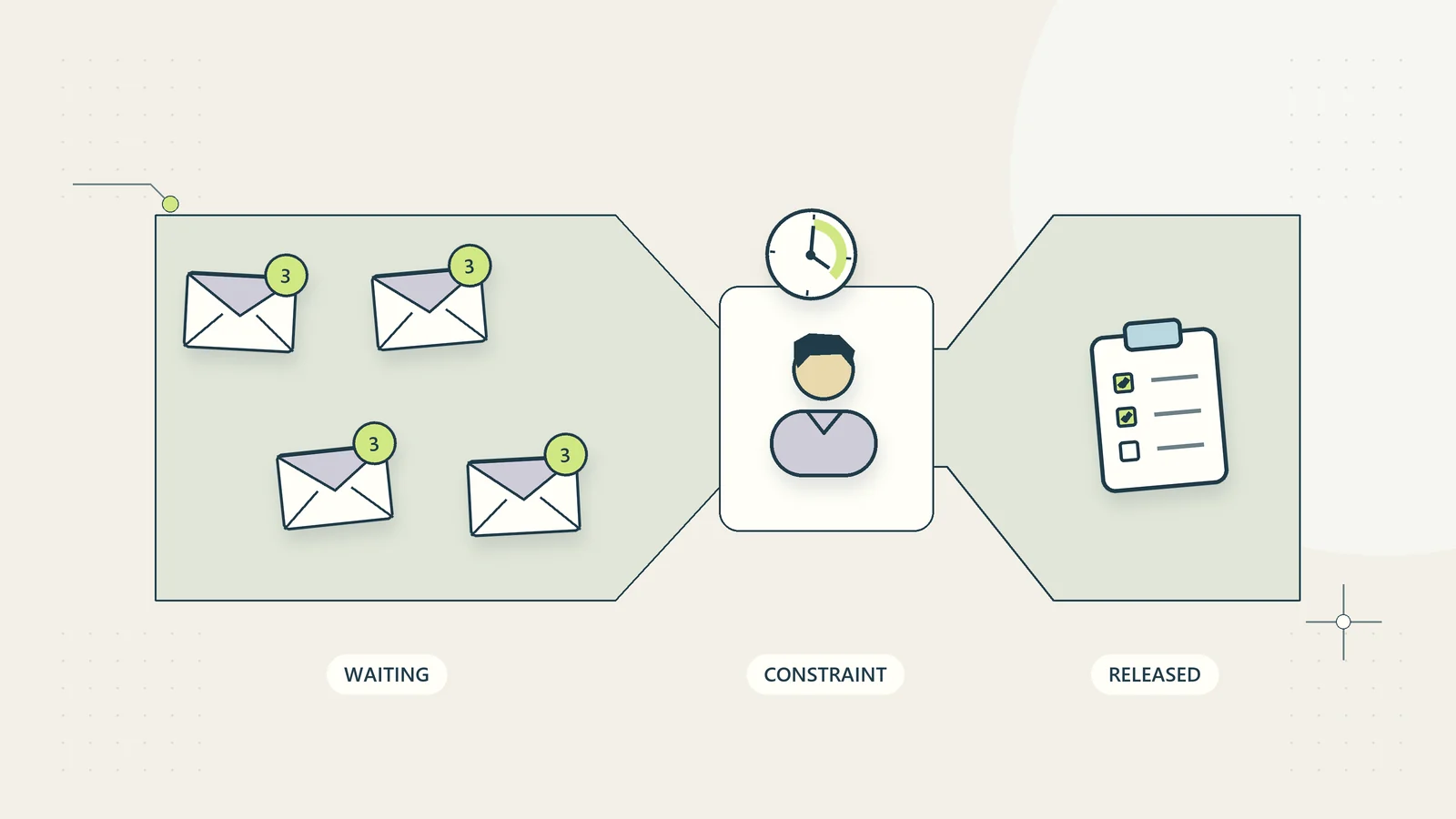
The most visible queue is not always the bottleneck. A small business can have a crowded inbox because requests arrive incomplete, while the real constraint is one person who can resolve the missing information. Adding an inbox assistant may move the queue without increasing the number of useful outcomes delivered.
Find the constraint by following work from request to completion. Measure where cases wait, what they need to move, and which limited resource or decision controls the next useful output. Then test a small intervention against the complete process rather than celebrate a faster isolated task.
Define the outcome you need more of
Choose a specific completed outcome: reviewed reports delivered, approved orders dispatched, customer issues resolved, or paid resources made accessible. Count cases consistently. A task marked complete internally may not equal a finished customer outcome.
Define the start and finish, eligible work, and exclusions. If one request contains ten separate items, decide whether you count requests or items and retain that distinction. Changing units halfway through a comparison makes throughput appear to improve when the underlying work has not changed.
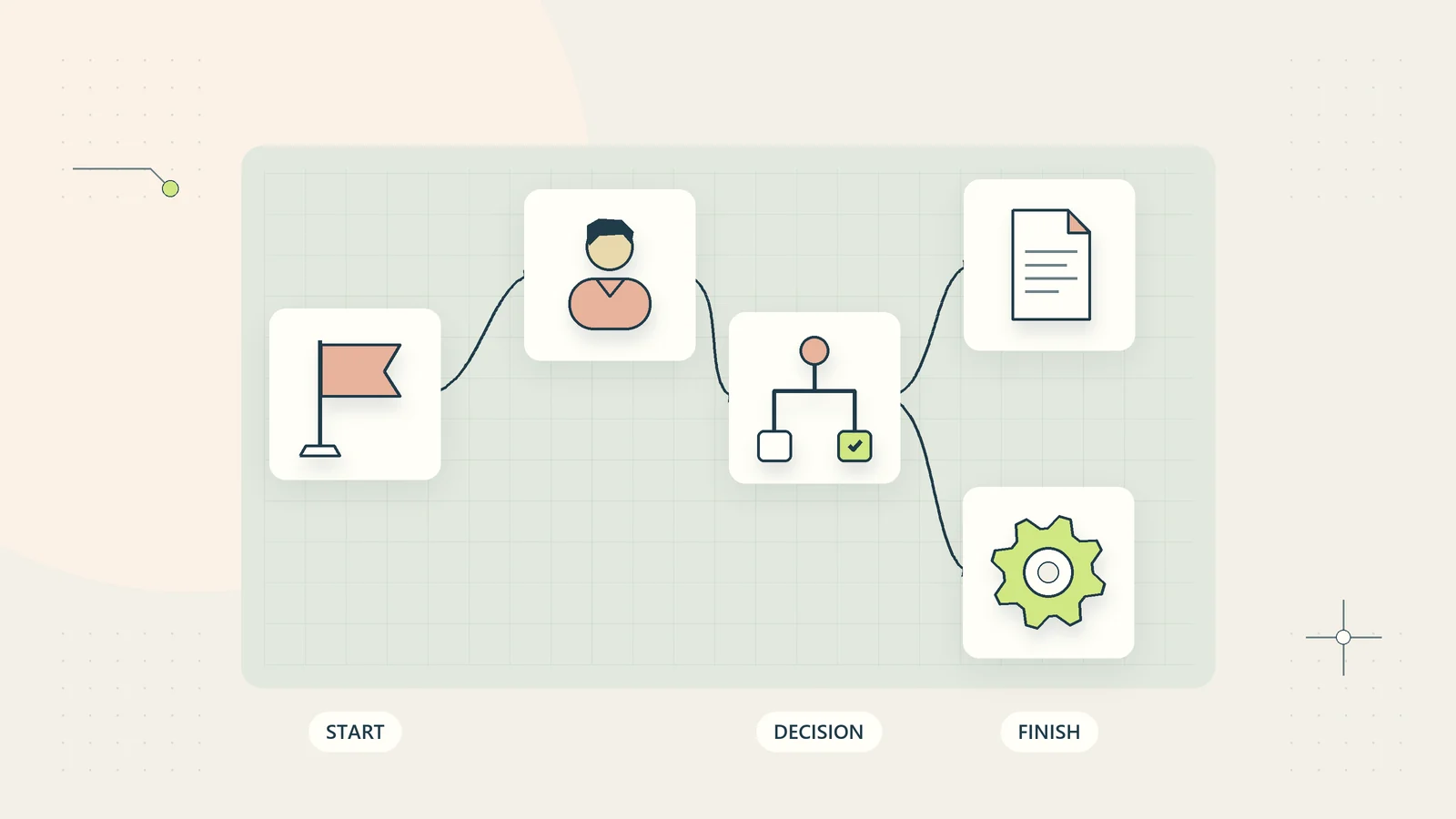
Use the process mapping guide to establish the route and decision points. You need a shared picture before investigating why cases accumulate. Otherwise each person may measure a different section and call its local problem the business’s bottleneck.
Also define the desired quality. Completing more cases by skipping necessary review does not establish an operational improvement. Track corrections and reopened cases alongside completions so that premature closure cannot hide additional work.
Separate demand, active work, and waiting
Demand is the incoming work eligible for the process. Active work is the time people or systems spend progressing it. Waiting is elapsed time when the case cannot or does not move. Each requires different evidence and suggests different remedies.
Record case arrival, entry into major stages, completion of active handling, and final completion where practical. You do not need intrusive tracking of every minute. Start with timestamps that can distinguish a two-hour production task from a two-day wait for a decision.
Label the reason for waiting: missing information, capacity, approval, scheduled release, technical failure, or customer dependency. Keep the categories small and define them. If everyone uses “other,” review a sample and refine the categories instead of pretending the summary explains the work.
A planned wait may be appropriate. A customer might request delivery next week, and a qualified reviewer may need time to evaluate a complex matter. The aim is to identify avoidable delay and true limits, not to make every case move continuously regardless of context.
Observe a representative slice of work
Select a period that includes normal variation, such as busy and quieter days or different service types. Record the dates and limitations. A backlog created by a one-time absence should not automatically justify a permanent staffing or software change.
Follow several cases that are still open as well as completed ones. Measuring only completed work can exclude the very cases you need to understand. An old unresolved request remains part of the process even if it never reaches the dashboard’s completion report.
Ask staff about work outside the formal system. Private reminder lists, copied spreadsheets, and repeated status checks often indicate an unresolved dependency. Count the work without blaming the person performing it; they may be compensating for a missing process rule.
Protect customer information in the investigation. A case reference, stage, reason, and timing may be sufficient. Avoid gathering full documents or private conversations merely to count how long a handoff waited.
Look for a persistent limiting stage
A candidate constraint often has work waiting before it, limited usable capacity, and a strong influence on final completions. These are clues, not proof. Check whether downstream teams are genuinely ready to use additional output from that stage.
Compare arrivals and completions using the same unit. If eligible requests arrive faster than a review stage can complete them over a sustained period, its queue is likely to grow unless demand is deferred, capacity changes, or work is simplified. A temporary burst can look similar, so inspect the history.
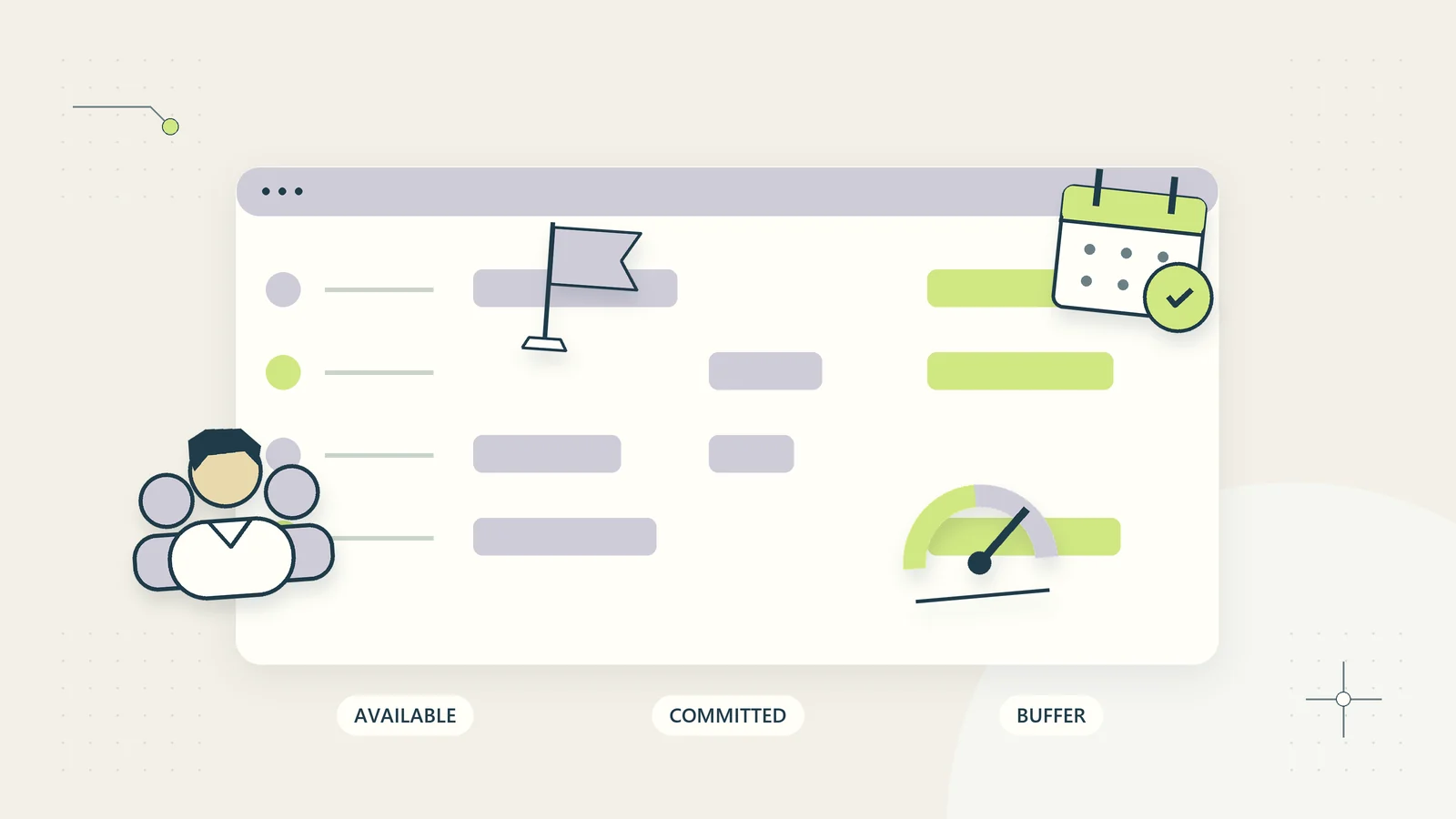
Asana’s capacity planning overview connects resource availability with the skills and time needed for demand. That distinction matters here: spare hours elsewhere do not remove a constraint if the work requires a particular permission, qualification, or decision.
Check the whole chain after any proposed intervention. If a production stage can already produce more than the final reviewer can approve, making production faster may simply increase work waiting for review.
Distinguish a capacity constraint from a readiness problem
Cases can queue because nobody has time, or because nobody has enough information to act. Those situations can look identical in a task board. Readiness checks reveal the difference.
| Observation | Possible cause | Useful next check |
|---|---|---|
| Many cases return to intake | Inputs are incomplete or ambiguous | Review missing fields and examples |
| Ready cases wait for one qualified role | Specialized capacity is limited | Compare demand with usable review time |
| Cases sit after completed work | Decision or handoff is missing | Check owner and acceptance evidence |
| A queue appears at certain times | Batch timing or staffing mismatch | Compare arrival and working schedules |
| Closed cases repeatedly reopen | Completion criteria are weak | Inspect quality and recovery work |
Do not hire or automate from the table alone. Use it to choose the next observation. A team can experience more than one issue simultaneously, and the dominant limit may change across service categories.
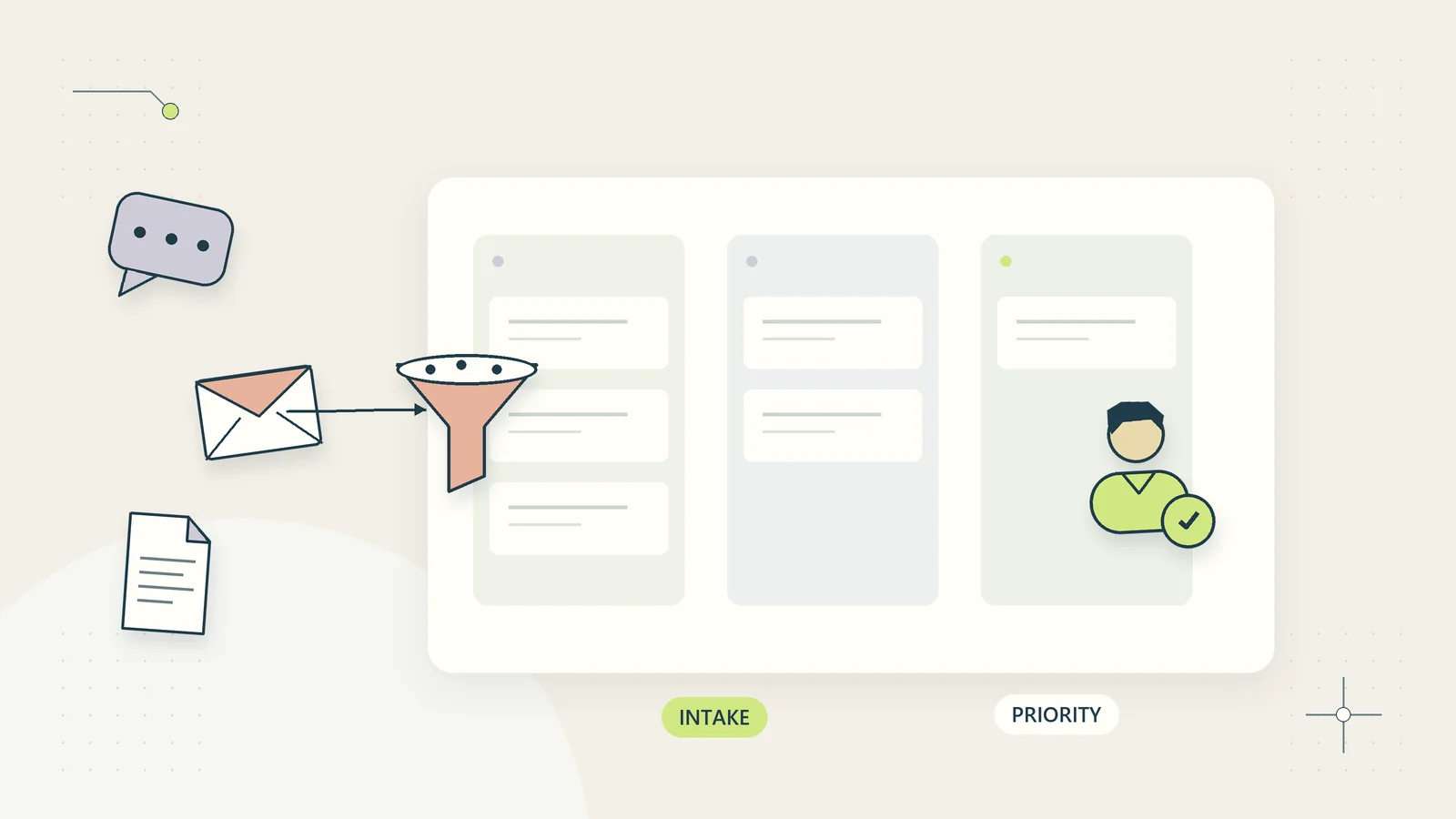
The work intake guide addresses readiness before work is committed. Improving intake can reduce interruptions without asking downstream specialists to perform the same clarification repeatedly.
A hypothetical report-review bottleneck
Imagine a small service business preparing 40 routine reports each week. Four staff members can collectively prepare 48 reports, but one authorized reviewer has time to complete 32 reviews. Assume the reports require comparable effort and necessary quality checks remain unchanged; this is a simplified illustrative example.
The business initially notices a large production task list and considers a tool to raise preparation capacity to 60. Following the full route reveals 16 prepared reports waiting for review at the start of the week. Increasing preparation alone cannot resolve that queue if review remains limited to 32 weekly completions.
The team samples review work and discovers that some reports require repeated clarification about source references. They improve the readiness checklist and test whether that reduces review effort without weakening the review. They also examine whether some administrative checks can be performed earlier by trained staff while the authorized reviewer retains the required judgment.
After the change, the team measures actual reviewed completions, correction rates, and outstanding queue age. It does not assume that removing a few minutes from one check automatically creates eight more completed reports. If review remains the limit, the next decision may involve demand timing, service commitments, or appropriately qualified capacity.
Protect the constrained resource from avoidable work
Once a constraint is supported by evidence, check how its usable time is spent. Is a reviewer locating files, correcting identifiers, answering routine status questions, and reconstructing scope before beginning the work only they can do?
Prepare complete packages and route straightforward administrative work appropriately. Define the boundary carefully. Moving a check to someone else is useful only if that person has the competence, authority, and evidence needed; it should not become an informal way to bypass required review.
Batching can help when setup time is substantial, but very large batches can create long waits. Test a practical frequency and observe the complete process. A daily review window may work for one service while urgent cases need a separate, clearly defined route.
Make interruptions visible. A constrained specialist repeatedly pulled into unscheduled questions may appear to have enough hours on paper while having little uninterrupted time to finish cases. Agree which questions can wait, which can be answered by a reference, and which require immediate attention.
Limit work started before the constraint
Starting more work can feel productive while increasing waiting, context switching, and the risk of outdated assumptions. Use a visible limit on ready work before a constrained stage, adjusted to your actual operating conditions.
When the limit is reached, upstream staff can resolve missing information, improve documentation, help with appropriate preparation, or defer a new start. The policy should describe useful alternatives rather than leave people unsure whether they are allowed to stop adding to the queue.
Do not confuse the limit with refusing all new demand. Record incoming requests separately from committed active work. Customers need an honest answer about timing even when the team cannot start immediately. A visible intake queue supports that conversation better than hidden promises across individual inboxes.
Review the limit during unusual demand or absence. A fixed number copied from another business is unlikely to fit your mix of work. The capacity planning guide explains how to connect workload decisions to actual available skills and hours.
Check whether policy creates the delay
Some constraints are rules rather than scarce people or equipment. Every small purchase may require the owner, every correction may require a full resubmission, or every client reply may wait for a weekly batch. Ask why the rule exists and what outcome it protects.
Do not remove a control without understanding that purpose. Instead, consider narrower limits, clearer delegation, a simpler evidence requirement, or a separate route for low-risk standard cases. The person accountable for the control should approve a meaningful change.
Document the revised rule and test its edge cases. Staff need to know which decisions they can make and which still require escalation. An informal “use your judgment” instruction can shift uncertainty rather than reduce it.
IBM’s business process management overview treats business processes as subjects for continuing improvement and monitoring. Use that perspective to revisit operating rules based on evidence instead of assuming a long-standing rule is either automatically necessary or automatically obsolete.
Run one bounded experiment
State the suspected cause, proposed change, predicted outcome, and quality checks. For example: “Complete source-reference packages will reduce clarification time in review, increasing usable review capacity without increasing corrections.” That is testable; “make the workflow more efficient” is not.
Choose a limited service category or period. Keep the comparison boundary stable and note other changes such as holidays, staffing, or demand variation. A small experiment may give directional evidence rather than a precise universal result; describe it accordingly.
Review completed outcomes, open queue age, correction work, and staff handling time together. A lower queue can result from fewer incoming requests rather than better throughput. A faster stage can also shift waiting downstream. Follow the cases until the customer outcome is complete.
Define a stopping condition for harm or serious confusion. Staff need permission to pause the experiment and recover affected cases. Keep the original process or another appropriate fallback available until the revised route is dependable.
Recognize improvements that only move the queue
Compare the age of work across the route before announcing success. An intake queue may shrink because requests are relabeled “in progress,” while the same cases wait untouched for specialist review. The location of waiting has changed, but the customer’s elapsed time has not.
Watch for work being removed from the measurement boundary. A team can report faster handling after sending complicated cases to a separate mailbox that no longer appears in its dashboard. Keep those cases visible with an appropriate category and owner. Excluding them from a narrow comparison may be justified, but the exclusion must remain clear in the overall operating view.
Check unfinished work as well as completions. Closing easy cases quickly can improve a median while a small set of old, difficult cases continues to deteriorate. Review the oldest open work and the reason it remains unresolved. A useful intervention should not depend on abandoning the cases with the greatest need for coordination.
Finally, ask whether additional completions create another legitimate task downstream. Faster reports may increase the client’s review demand, and more dispatched orders may increase a support workload. Include those effects when deciding whether to expand the change. The purpose is a better completed outcome for the business and its customers, rather than a local metric that becomes attractive by passing the problem elsewhere.
Keep checking after the first improvement
A constraint can move. Once the review stage improves, delivery, customer acceptance, or another specialist stage may become the next limit. This does not invalidate the first improvement; it means the operating system has changed.
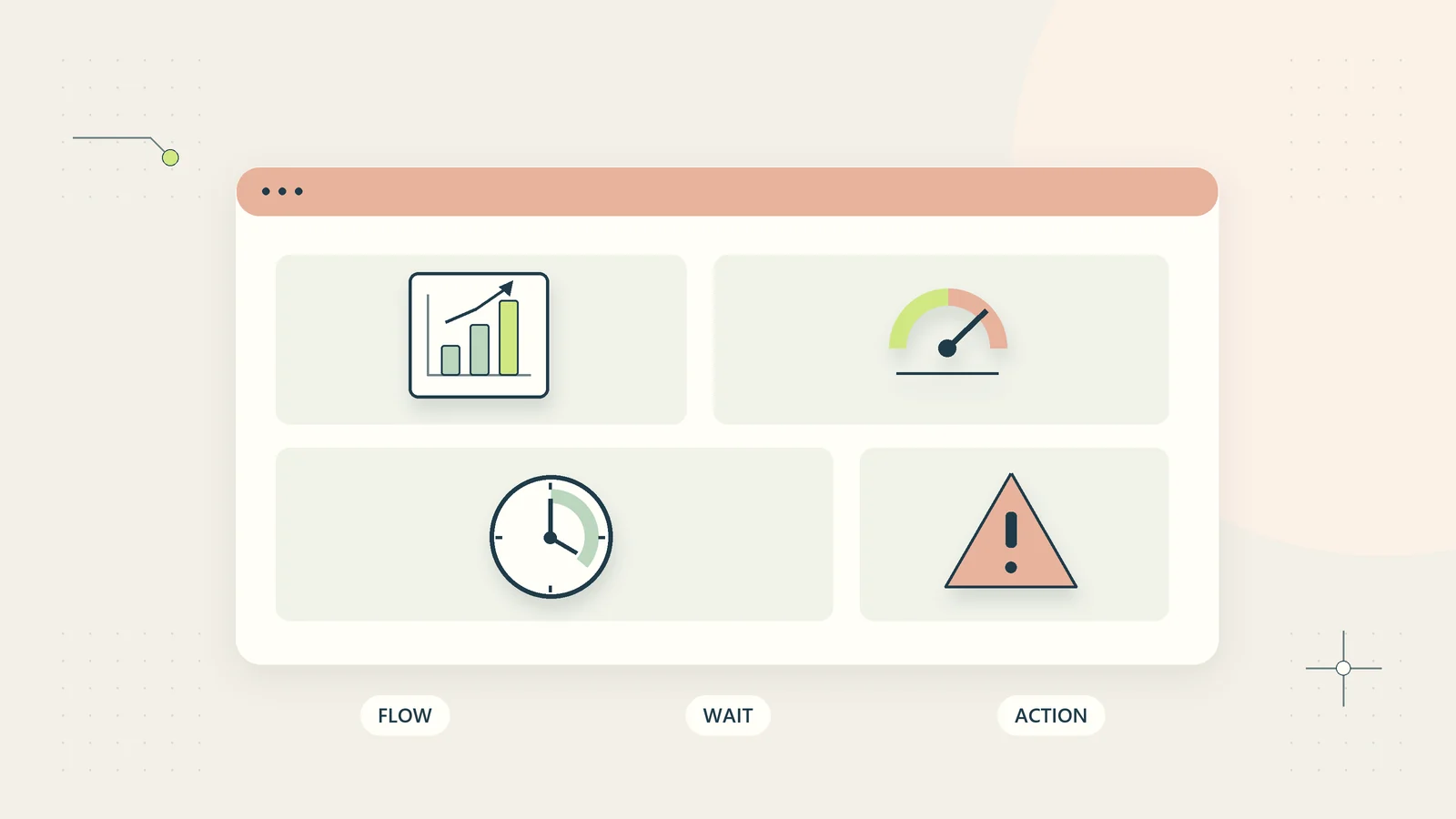
Maintain a compact view of incoming demand, completed outcomes, age of open work, and major reasons for waiting. Review the oldest cases and a small sample of ordinary cases. Keep the meeting or review focused on a decision somebody can make.
Avoid promising that every process can become fully automatic. Some work requires qualified judgment, physical handling, or a customer decision. First-party self-service resources can support clearer operations, but the business still owns its commitments, exceptions, and service quality.
The useful result of bottleneck analysis is a specific next action supported by evidence. You should know which stage limits the outcome, why it does so, what you will change, and how you will recognize whether the change helped.
Sources and editorial method
Research checked October 15, 2026. Sources are IBM on business process management and Asana on capacity planning. Brief contextual references support process improvement and resource availability. The investigation method, diagnostic table, and hypothetical 40-report case are original editorial analysis. The example is not a measured customer result or a recommendation to bypass professional review.