AI & automation
Design narrow tool permissions for business AI assistants
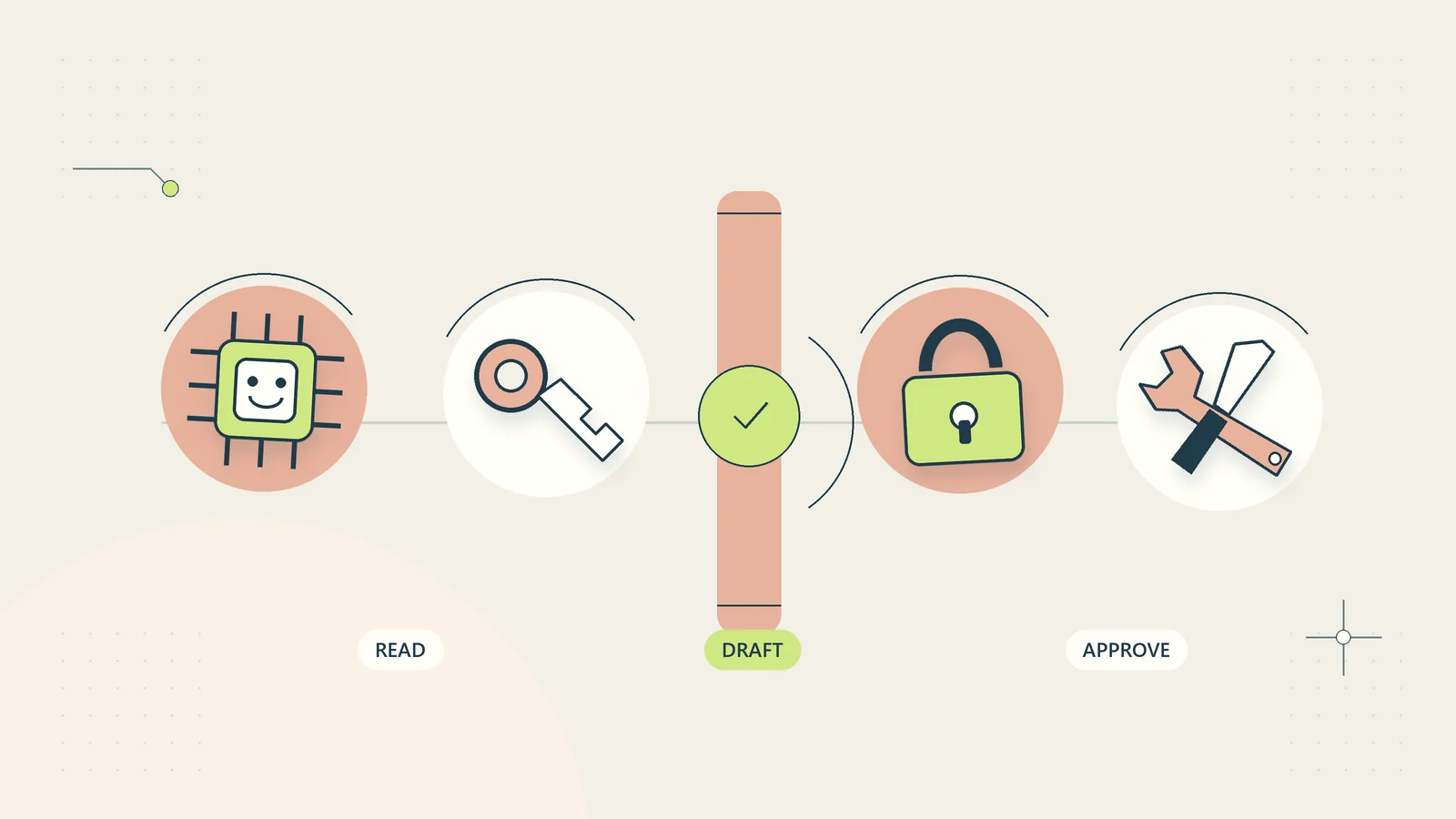
Map AI tool access to specific operations, records, and fields, then test denial, approval, and revocation before connecting a business workflow.
Practical articles and in-depth guides on operations, client experience, documents, AI, finance, and ecommerce for business owners worldwide.
100 articles Page 6 of 12
Map AI tool access to specific operations, records, and fields, then test denial, approval, and revocation before connecting a business workflow.
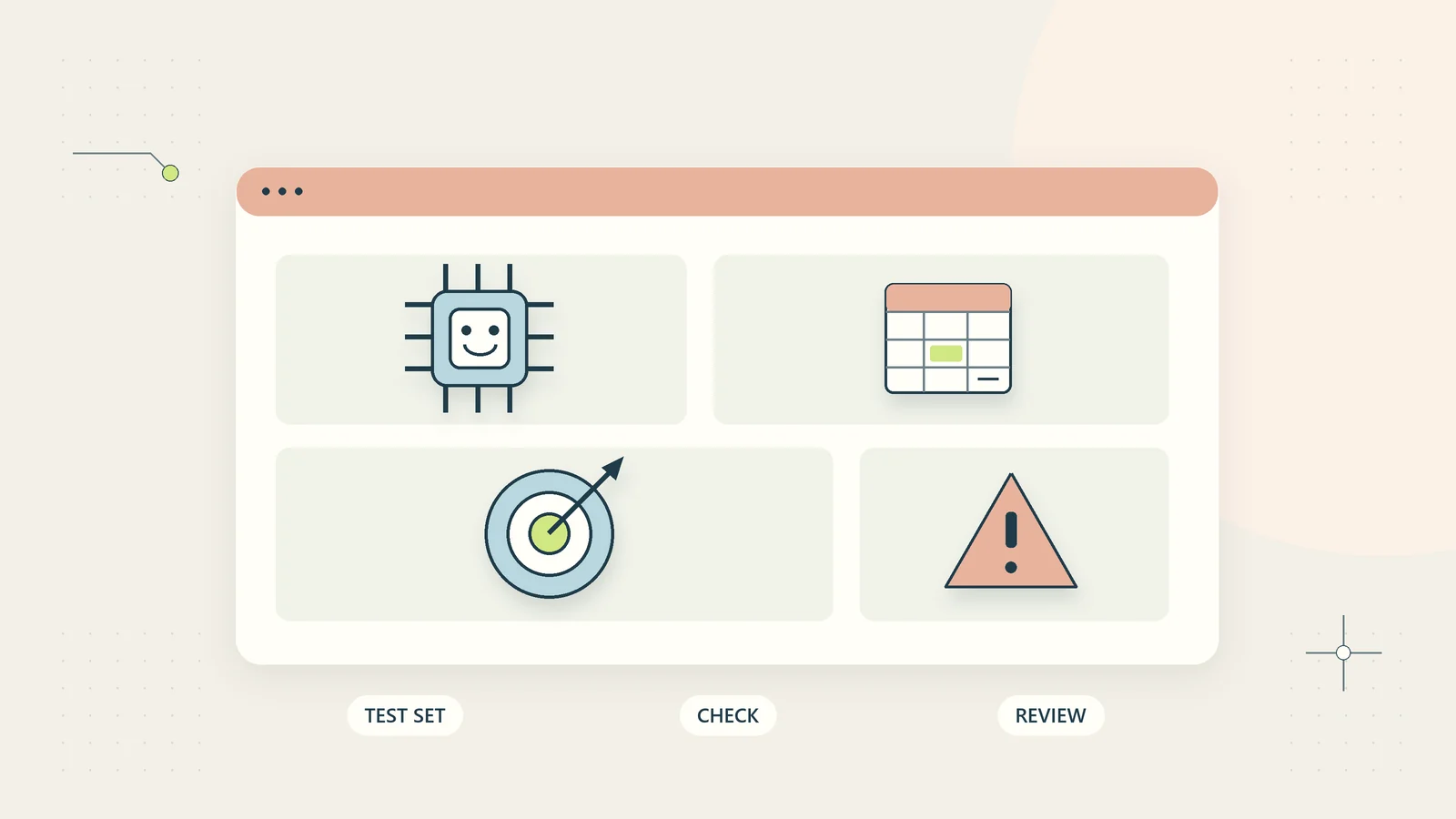
Define acceptance criteria, build representative test cases, compare a realistic baseline, and record the limits of an AI workflow before release.
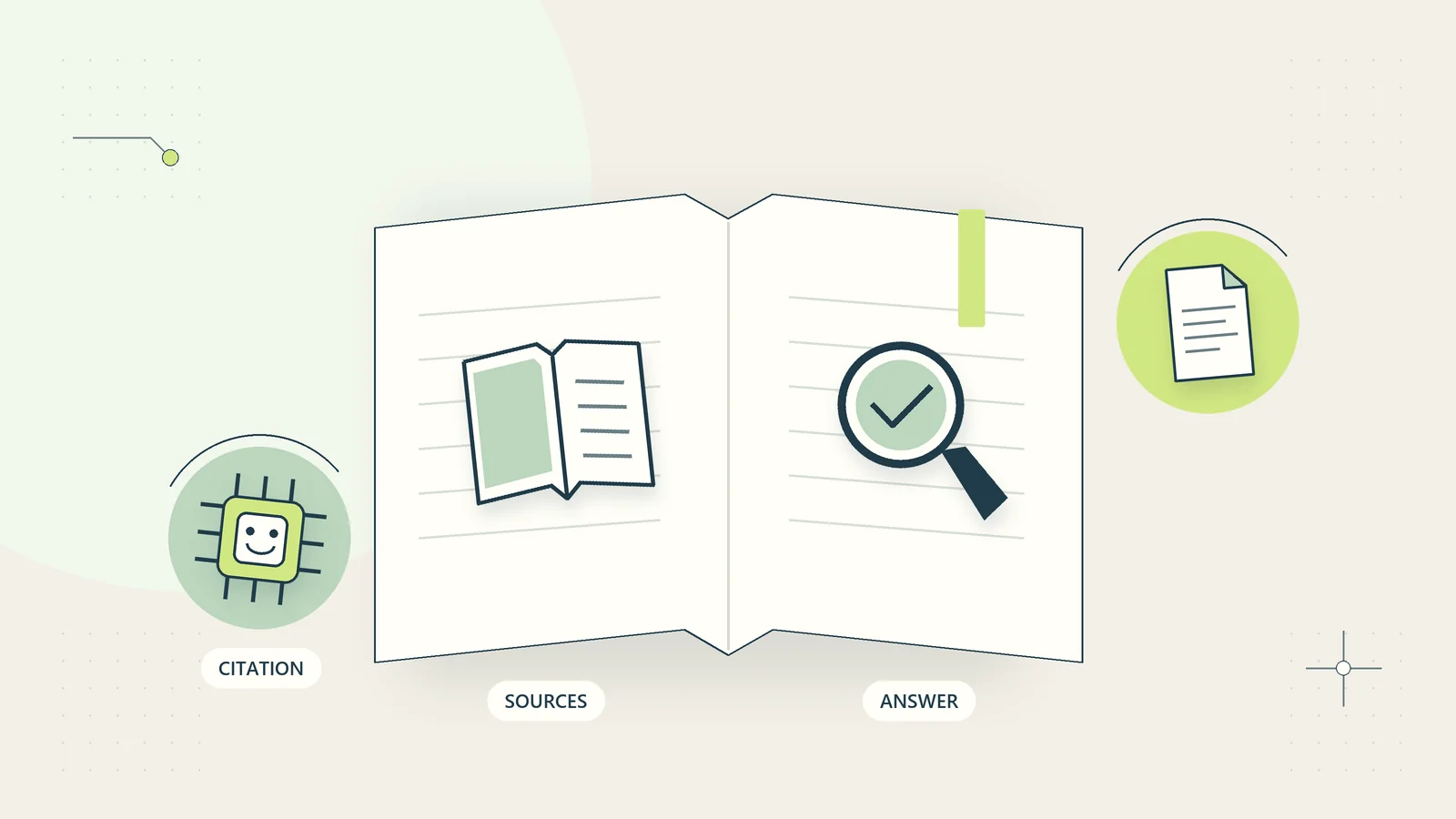
Plan a bounded internal knowledge assistant using approved sources, current permissions, useful citations, unanswered-question routes, and repeatable tests.
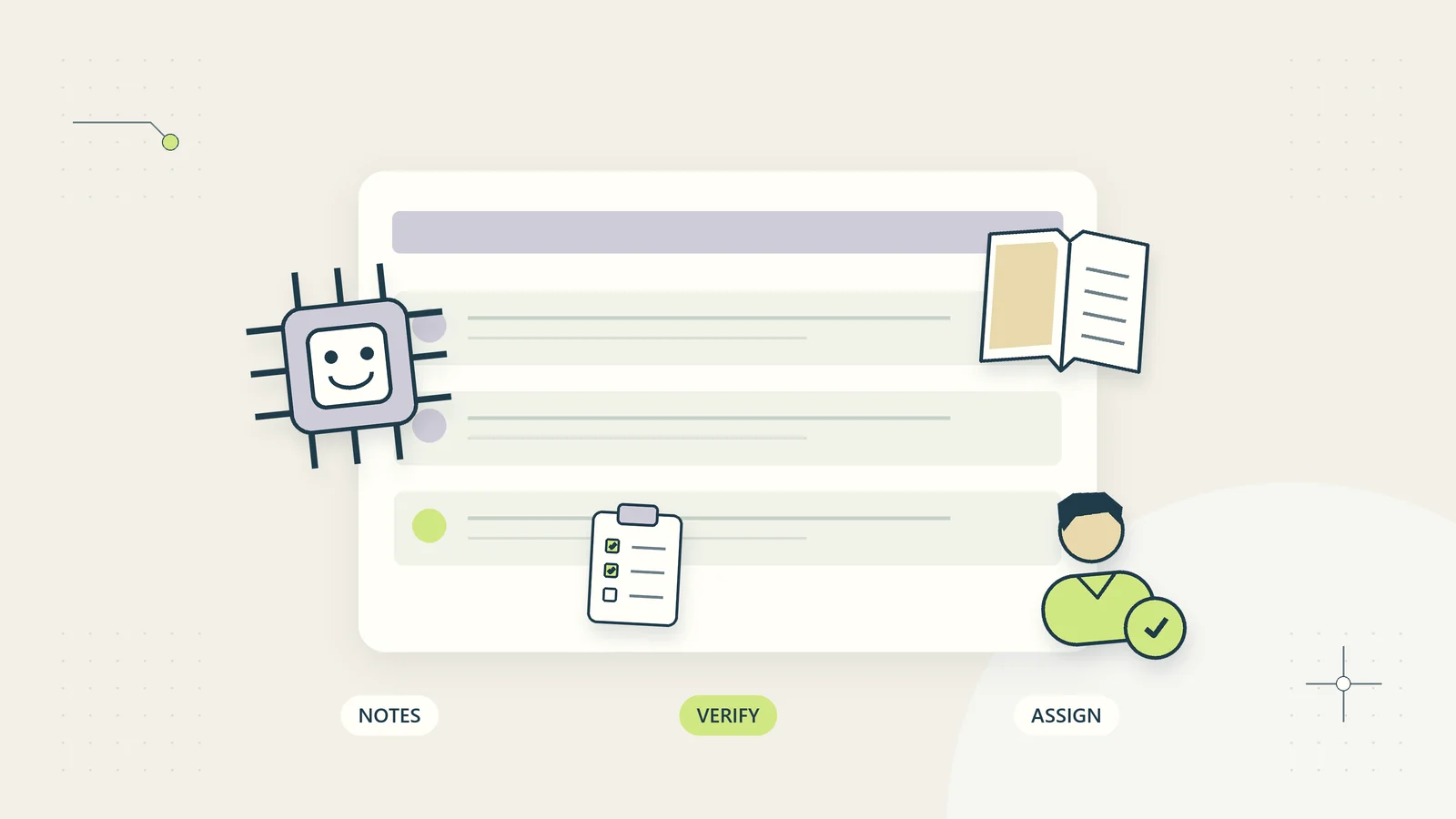
Separate decisions from ideas, confirm owners and dates, and turn meeting notes into a useful action register with evidence and clear follow-up.
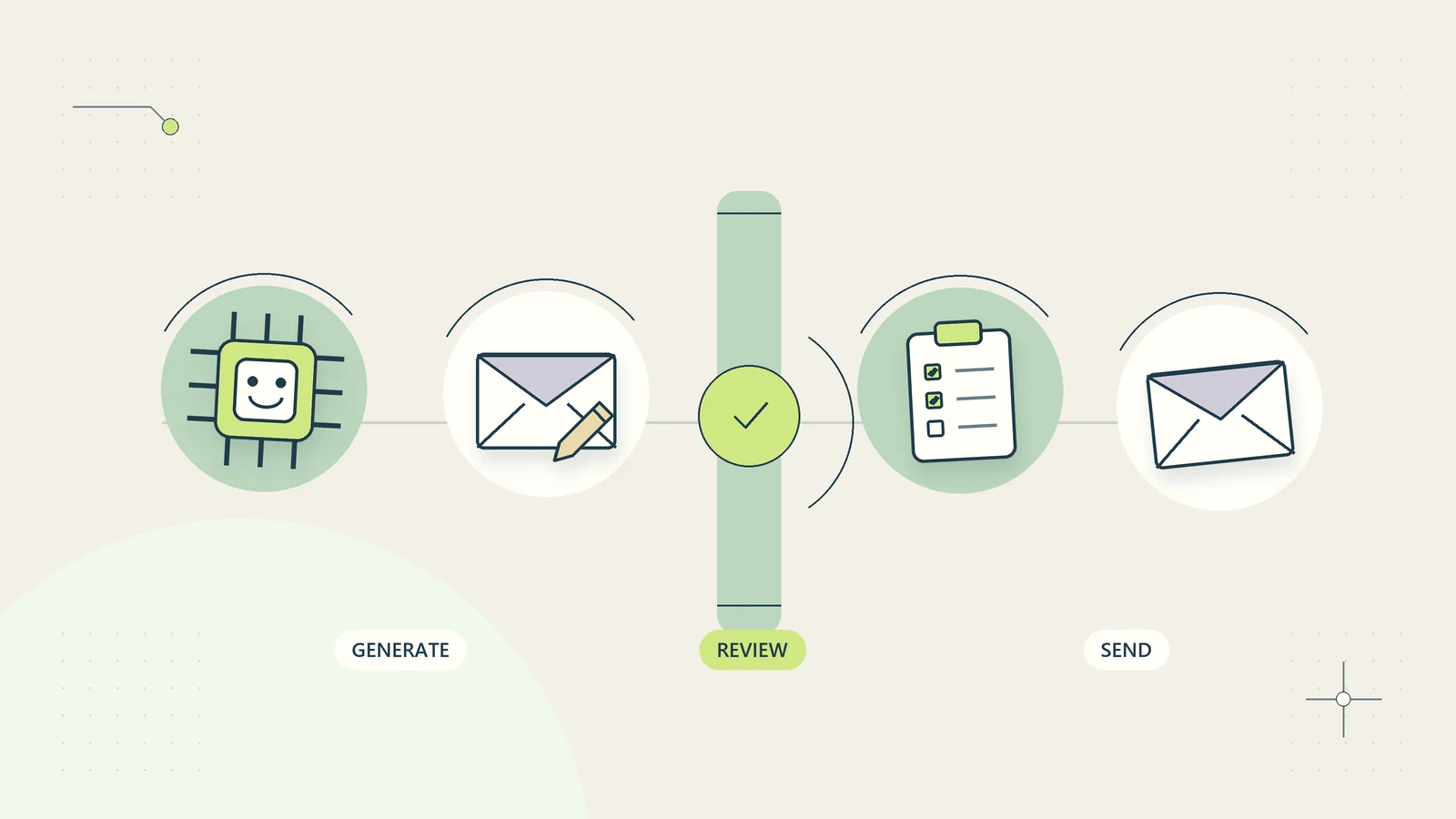
Prepare AI email drafts from verified facts, check promises and recipients, and measure the complete review effort before expanding your process.
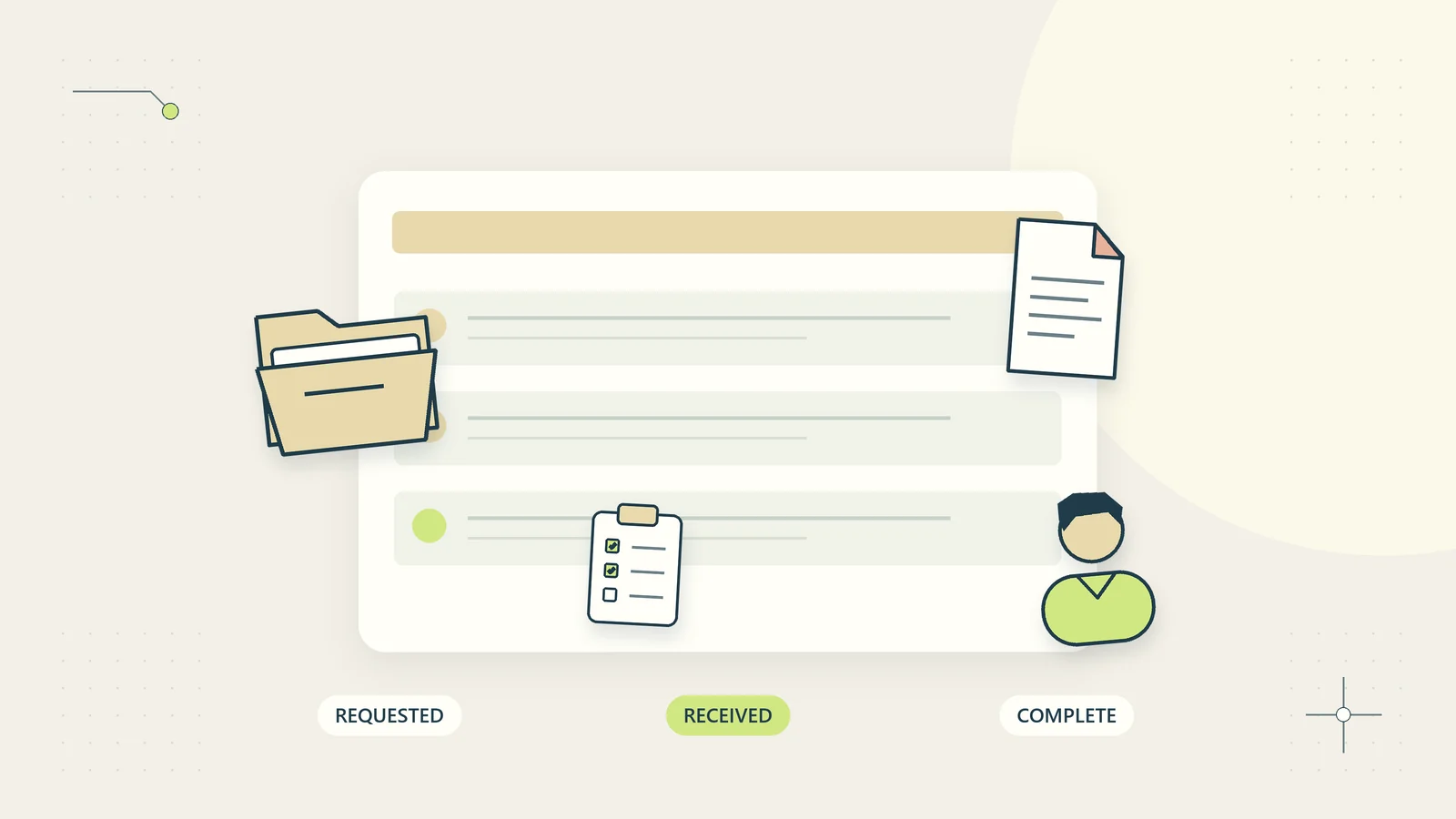
Create clear document requests, track receipt separately from acceptance, and follow up on the right missing items with a practical review process.
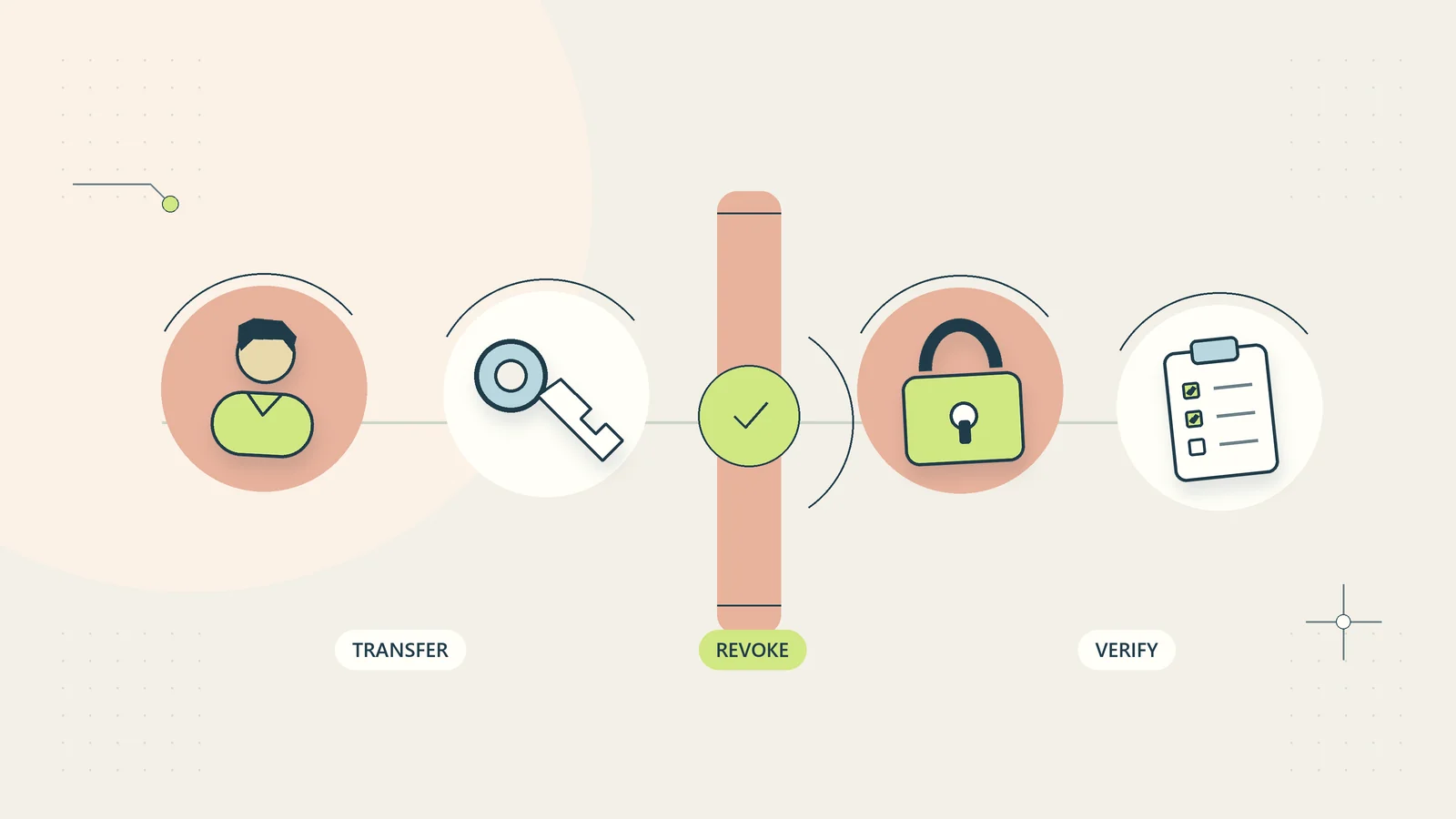
Coordinate access removal, ownership transfers, recovery routes, and verification with a practical offboarding checklist for small business teams.
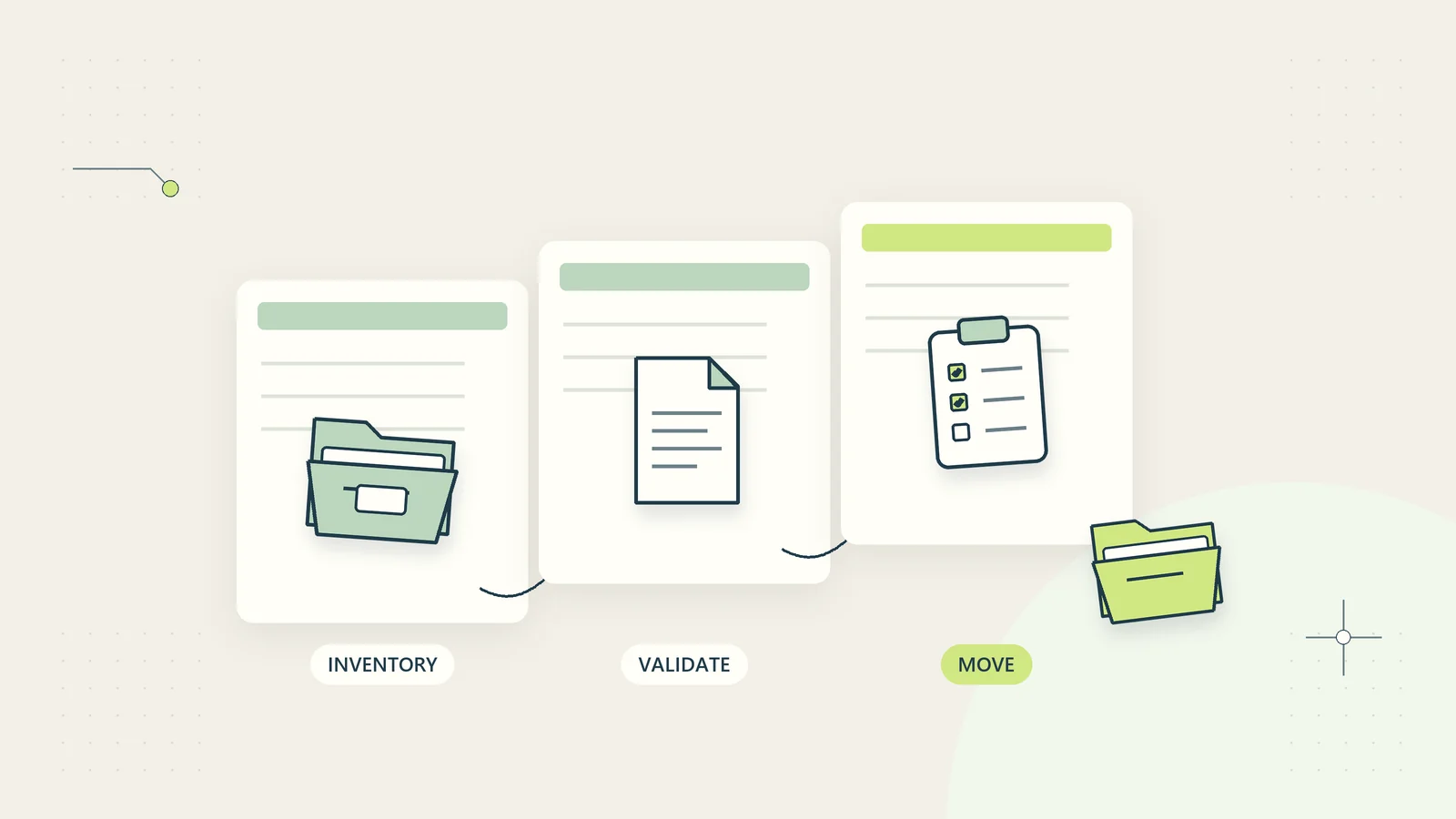
Plan a document migration around ownership, permissions, dependencies, a representative pilot, controlled cutover, recovery, and usable results.
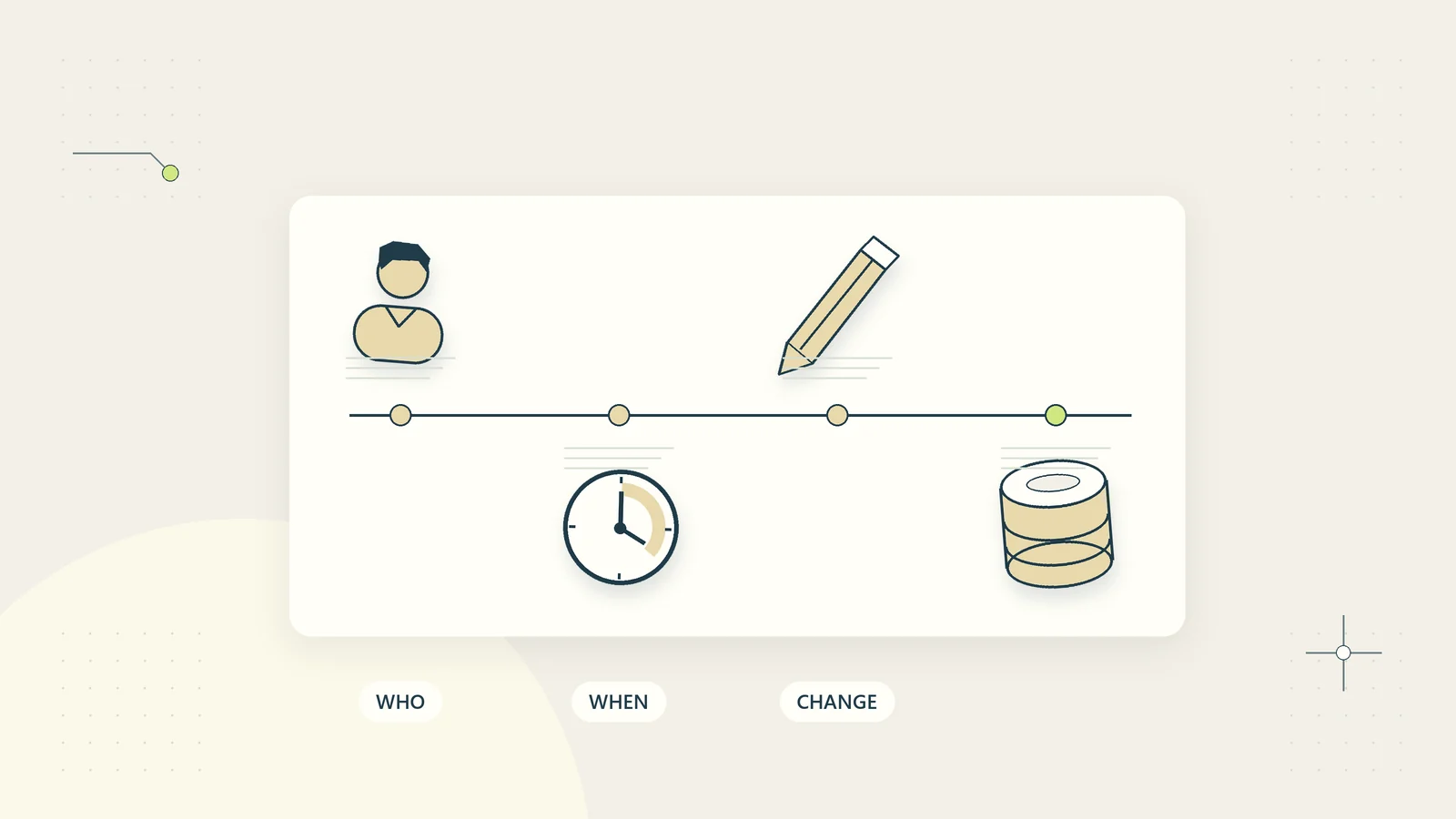
Design a business audit trail that connects actors, evidence, approvals, attempts, and confirmed outcomes while keeping unnecessary secrets out.