A client onboarding process that prevents missed handoffs
Build a client onboarding checklist around clear ownership, access, scope, and first-value milestones, with a complete example for service businesses.

Client onboarding is the handoff between an agreed sale and a service the delivery team is ready to provide. A welcome message can help, but the process is only useful when the right people have accepted responsibility, the scope is clear, required access is handled safely, and the client understands what happens next.
Small businesses often discover onboarding problems after work has already started. A designer lacks the approved assets, an accountant is missing a period’s records, or a consultant learns that a different stakeholder controls access. A workable checklist exposes those dependencies early. This guide develops one around an illustrative service-business example, with adaptations for different industries and international clients.
Define what “ready to start” means
Start by naming the first service outcome. It might be an agreed project plan, a completed intake review, or access to a working customer workspace. Avoid an outcome that depends only on an internal action such as sending an email. The client needs to understand the next step, and the delivery owner needs sufficient information to take it.
Define the entry condition separately. A promising lead is not necessarily an accepted client. Your business may require an agreement, an internal approval, a deposit confirmation, or several prerequisites. The people responsible for those decisions should define them. The onboarding checklist should record their decisions rather than assume authority to make them.
Write a short readiness statement that both sales and delivery can use. For example: “The delivery owner accepted the project, the approved scope is linked, essential access is requested through the approved method, and the client knows the first milestone.” This is specific enough to test without pretending that every business needs an identical process.
Put one person in charge of the handoff
Many onboarding failures are ownership failures. Sales expects delivery to contact the client; delivery expects an administrator to collect information; the administrator is waiting for someone to confirm the scope. Each person may have completed their own task while the overall process remains unfinished.
Give the onboarding case one accountable owner. Other people can perform individual actions, but the owner checks that prerequisites, exceptions, and communication remain coordinated. Name a backup for absence, and explain which decisions require a manager or specialist. Responsibility should remain visible when a task moves between systems.
The receiving delivery owner should acknowledge the handoff. A task assignment or copied email does not prove that they saw it or can accept the work. Record the acknowledgement and any conditions attached to it. If capacity is unavailable, that is an exception to resolve before promising a start date the team cannot support.
Build the checklist around evidence
The Asana client-onboarding template illustrates how onboarding can be organized into tasks and stages. The checklist below is our own tool-neutral structure. Each row pairs an administrative action with evidence that a colleague can verify.
| Stage | What to confirm | Completion evidence |
|---|---|---|
| Acceptance | The authorized entry conditions are satisfied | Link to the current acceptance record |
| Identity | The case belongs to the intended client | Verified internal client identifier |
| Scope | Delivery can find the agreed work and exclusions | Approved version linked to the case |
| Ownership | Someone can accept delivery responsibility | Named owner and acknowledgement |
| Information | Required inputs are received or tracked | Checklist with specific open categories |
| Access | Permissions follow the approved method | Access request and approval record |
| Communication | The client knows responsibilities and next steps | Approved welcome information and route for questions |
| Readiness | Blocking items have a disposition | Readiness review and recorded decision |
Do not make every field mandatory simply because it might become useful. Unnecessary questions create work for clients and additional information for your team to protect. Collect the minimum needed at that stage, explain the purpose of unfamiliar requests, and defer optional preferences until they are relevant.
An illustrative onboarding case
Imagine a six-person consultancy selling a defined process-review engagement to an overseas customer. The commercial agreement is accepted, but the consultant needs a sample process map, an approved business contact, and access to a limited demonstration workspace. The business should not collect a production customer database merely because a form supports file uploads.
The onboarding owner creates a case using the agreement ID and verified client ID. They link the accepted scope and record the agreed first milestone. The delivery consultant acknowledges the assignment and identifies the information needed for the first review. A separate access owner checks the requested permissions and approves the method for providing them.
The client receives one concise request listing the missing categories, the preferred secure channel, and a named contact for questions. Each category has a status such as “not requested,” “requested,” “received,” or “needs review.” Receipt and adequacy remain separate: an uploaded file can be present without containing the information the consultant needs.
When the essential categories are reviewed, the owner records readiness and hands responsibility to delivery. If an item is still missing, the record states whether work must wait or whether an authorized person accepted a limited start. The example is hypothetical; it demonstrates a handoff structure rather than a measured reduction in onboarding time.
Ask for information in a sequence clients can follow
A single enormous questionnaire can make an onboarding process look comprehensive while making it difficult to complete. Separate essentials for acceptance, essentials for the first deliverable, and information that can wait. Explain which requests block progress and which are optional.
Use specific categories rather than asking the client to “send everything.” Name the relevant period, project, or system, and provide an example of the kind of information required. Avoid requesting confidential material through an ordinary contact form. Where sensitive records are necessary, the responsible business should define an appropriate collection channel and access policy.
Coordinate requests across the team. A client should not receive three different requests for the same item because sales, delivery, and finance use separate checklists. Let the onboarding case show which request is current, who owns it, and which approved system stores the actual document. This improves clarity without requiring every department to use the same software.
Treat access as a distinct approval
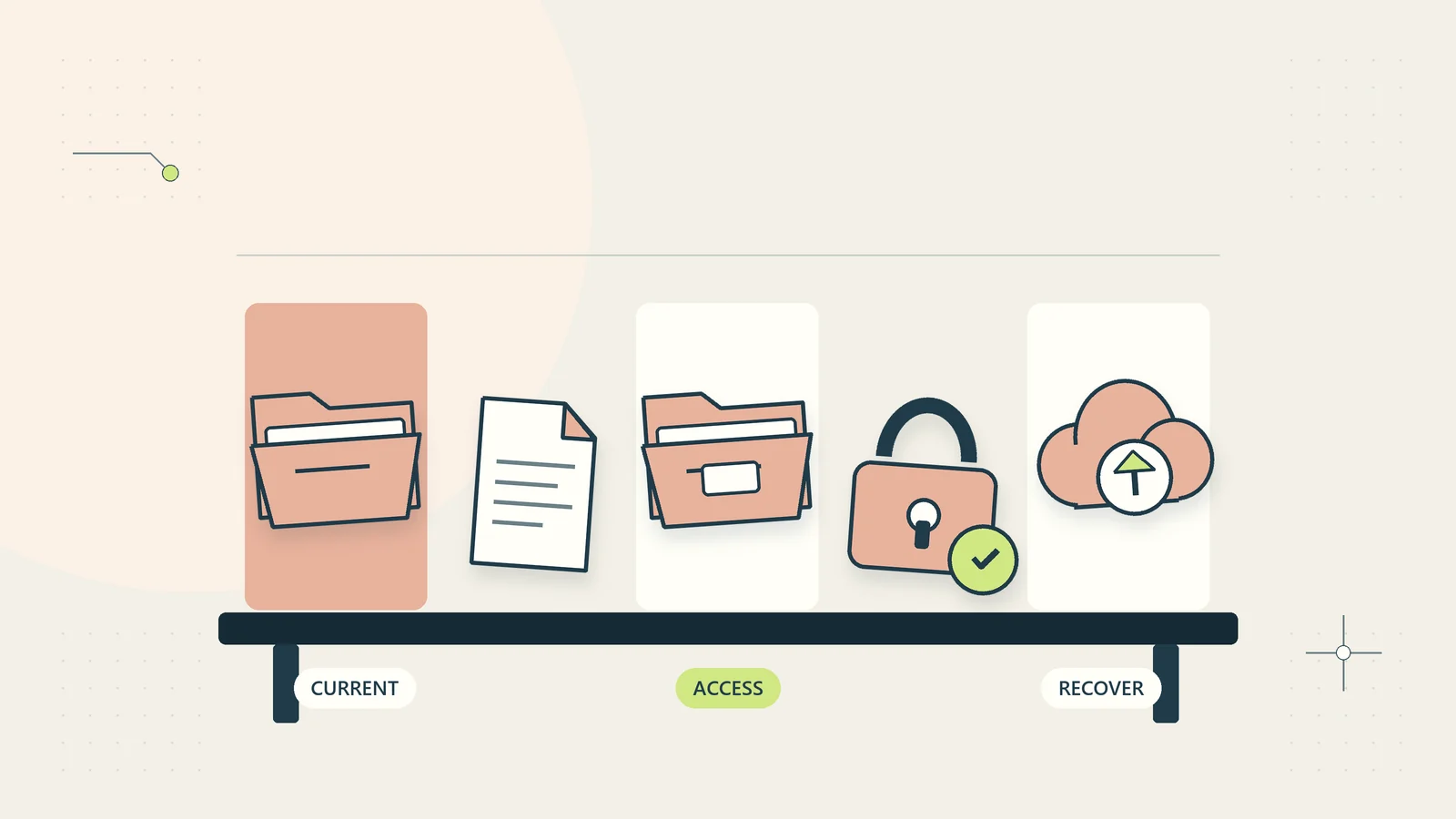
Onboarding often involves inviting people into project tools, shared folders, or business applications. Decide who can approve access, what role is appropriate, how long it should last, and who removes it later. An accepted service agreement is not automatically permission for unrestricted administrative access to every customer system.
Use the approved invitation or account-sharing method. Do not ask a customer to paste a password into a task description, spreadsheet, or general web form. Keep an inventory of access granted for the engagement, including the owner responsible for reviewing it. Changes in staff or scope should prompt a review of whether those permissions still fit.
CISA’s small-business resources provide security guidance that can help frame the conversation with your technical team. They do not certify an onboarding workflow. The practical operational requirement is that staff can identify the approved route and know when an access request needs specialist review.
Make the welcome message answer practical questions
A welcome message should explain who owns the relationship, what happens next, which action is needed from the client, and how to raise a problem. Keep internal project terminology to a minimum. The client should not need to understand your CRM stages to know whether someone is working on their request.
Include the first milestone only when it is supported by the actual scope and capacity. Distinguish a target date from an agreed commitment. For international clients, make dates unambiguous and specify the relevant time zone when a time matters. “03/04” and “by close of business” can create avoidable uncertainty across countries.
Separate operational messages from marketing. A client asking for service updates has not necessarily requested a promotional sequence. Let the business’s consent and communications rules govern those uses. An onboarding workflow should not silently repurpose the client’s information merely because an email integration makes that technically easy.
Handle incomplete and changed cases explicitly
Define what happens if a required item is missing, a contact changes, the client pauses, or the agreement is withdrawn. An open case should have a reason and a next owner. Otherwise staff may keep sending reminders after the process is complete or pursue information that is no longer required.
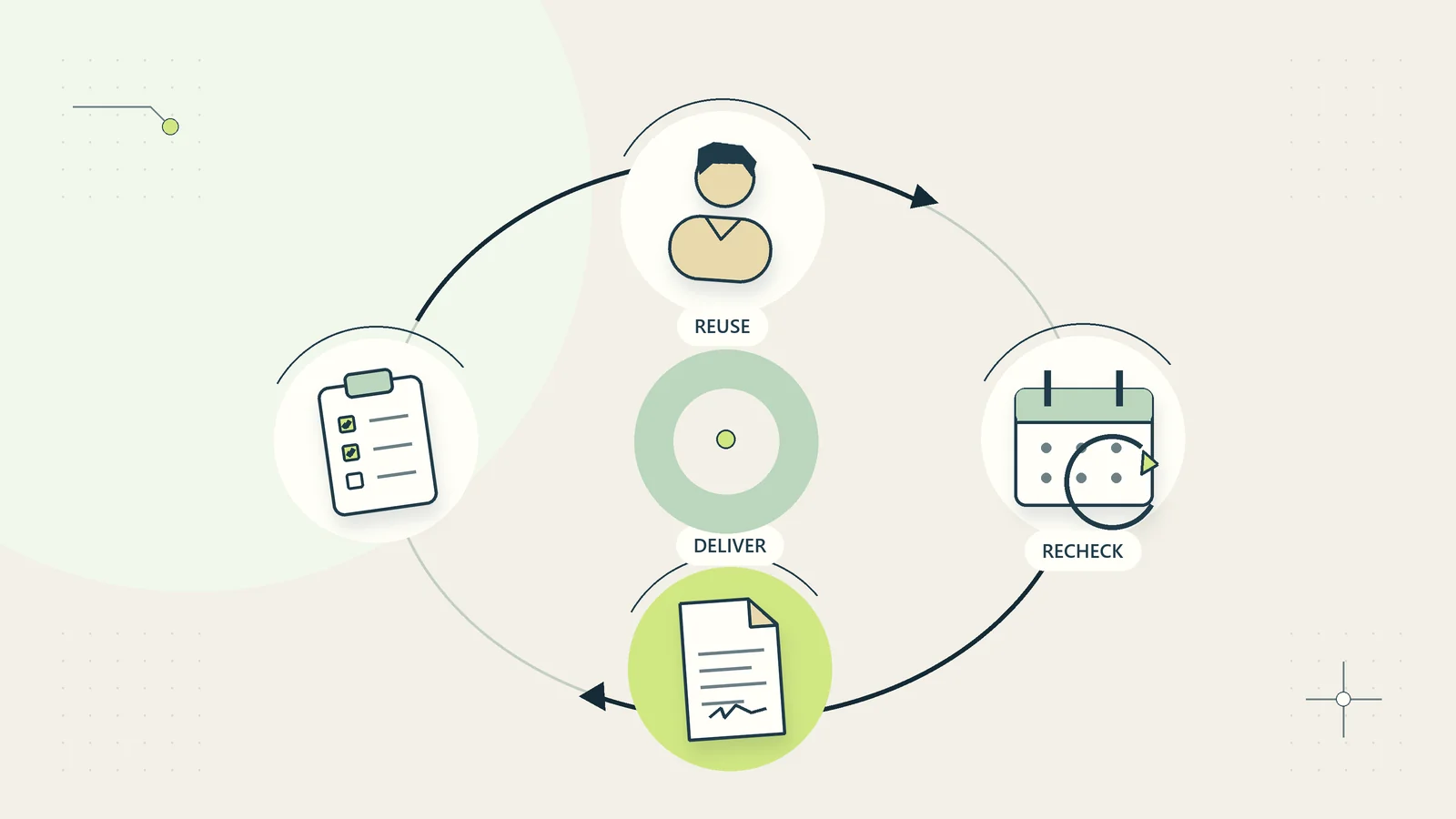
Before any reminder, recheck the current checklist and communication preference. A request queued yesterday may be inappropriate today. Keep the reminder focused on missing categories and the action needed, rather than copying private documents or sensitive facts into the message. Include a route for a client who cannot provide the requested item.
Changes after readiness deserve attention too. A new stakeholder, expanded scope, or changed access requirement can invalidate an earlier review. Record the change and decide which parts of onboarding must reopen. Do not erase the previous decision; retain enough history to explain why the case moved backward and who approved the next step.
Adapt the process to the service
An agency may focus on approved creative assets, publication authority, and a single client approver. An accounting practice may need a period-specific document checklist and qualified review. A law firm may have professional intake requirements that must be defined and performed by appropriate people. An IT provider may need tightly scoped access and an agreed support boundary.
The common structure is ownership, evidence, communication, and a clear readiness decision. The detailed requirements are not interchangeable. Avoid importing a checklist from another industry and treating it as a complete statement of your obligations. Use administrative templates to support the responsible professional’s process, not to make eligibility or professional judgments automatically.
If your team works across countries, separate shared operating steps from location-dependent requirements. The shared checklist can ask whether the relevant review was completed and where its evidence is stored. It should not assume one country’s tax identifier, contract form, retention period, or consumer rule applies to every client.
Measure where onboarding gets stuck
Track elapsed time from the defined entry condition to the readiness decision. Break that time into waiting for the client, waiting for an internal decision, waiting for access, and active preparation. A single average can hide the difference between a slow request and an unavailable delivery owner.
Also measure reopened cases, repeated information requests, missing prerequisites discovered after delivery starts, and corrections caused by the wrong client or scope version. These measures reveal handoff quality. Email-open counts and the number of automated tasks are less useful if the project still begins with essential information missing.
Use a small sample to learn, and report its limits. A team handling three unusual clients should not claim a universal onboarding benchmark. Compare similar services and include the time spent reviewing exceptions. Better visibility can initially reveal more problems because previously hidden work is finally recorded; investigate the cases rather than rewarding a superficially tidy dashboard.
Automate coordination after the process is clear
Software can create a checklist from an accepted record, assign proposed owners, prepare reminders, and flag stale cases. Each automated action should have an input, permitted effect, duplicate rule, and recovery path. Keep a person responsible for ambiguous identities, scope changes, and access approvals.
Test with synthetic cases before using client information. Include duplicate agreement events, withdrawn acceptance, missing identifiers, a changed contact, unavailable systems, and an uncertain message-delivery result. Verify that the workflow stops or creates an exception rather than inventing a plausible answer.
The client onboarding workflow offers a process blueprint, while the document management guide helps organize the evidence. The self-serve workflow planner lets you create a starting outline and download it without submitting a project enquiry.
Start with the next client, not a complete software overhaul
Write the readiness definition, name the onboarding owner, and use the checklist for the next suitable case. Observe which requests produce confusion and which approvals create waiting. Update the process before expanding it across every service line.
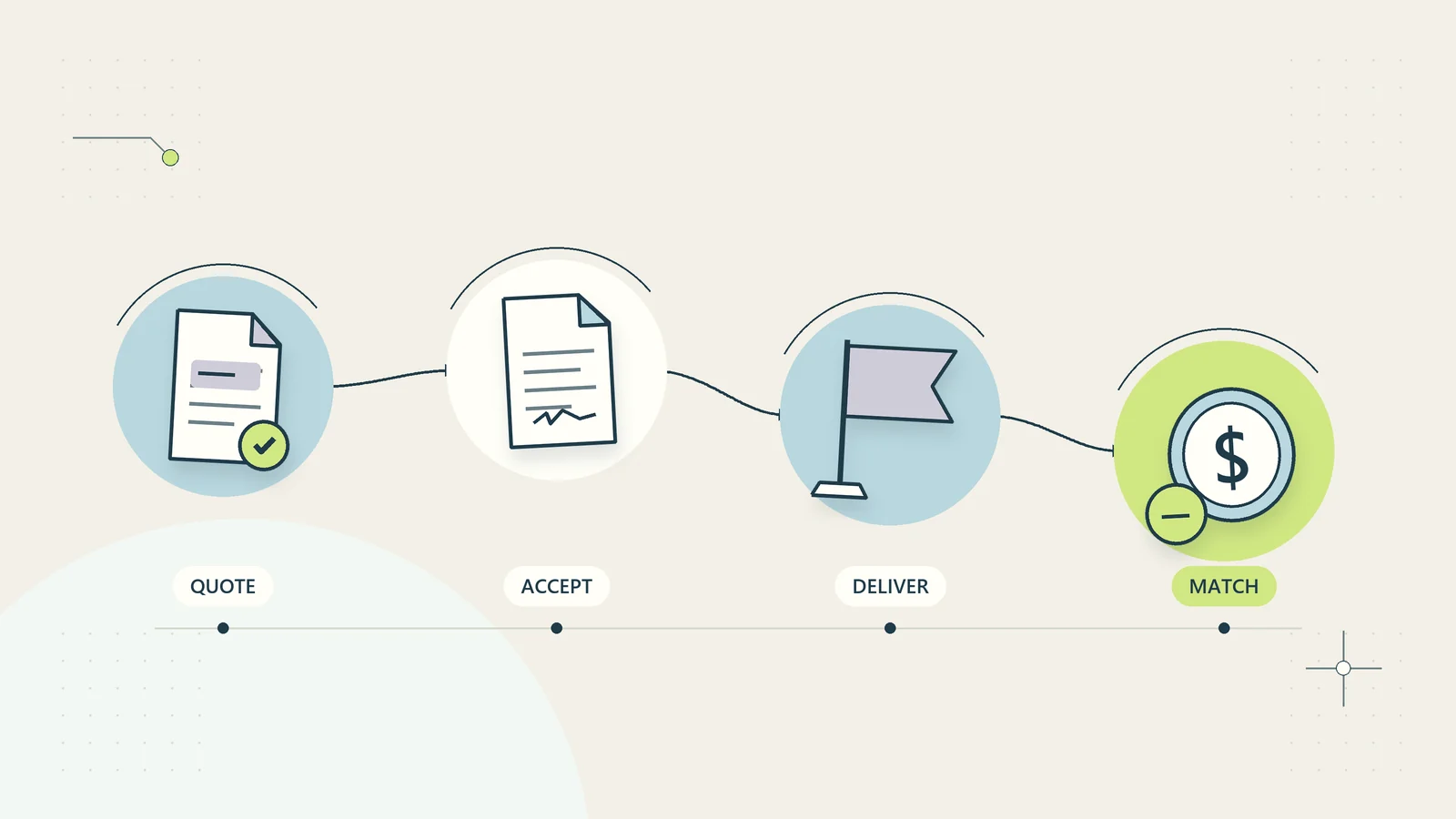
If the checklist is hard to use, simplify its sequence and language. If exceptions dominate, revisit the service boundary or entry requirements. A successful onboarding process makes uncertainty visible early enough for people to resolve it. The agency approvals guide and quote-to-cash map cover the handoffs that often sit on either side of this process.
For the first information request, the client intake design guide helps distinguish questions the client must answer from details already held by the business. Reusing verified information reduces effort, but the client still needs a way to correct a changed fact. The onboarding owner should resolve discrepancies before downstream records inherit an outdated address, contact, or service assumption.
Sources and editorial method
Research checked October 15, 2026. Asana and CISA provide the linked context on onboarding organization and small-business security. The checklist, fictional consultancy, and measurement suggestions are original planning materials. They are not client results or a universal legal, security, or professional checklist.