A project kickoff checklist for small service teams
Turn a project kickoff into a usable delivery plan with readiness checks, acceptance evidence, decision owners, dependencies, and a first-week handoff map.

A project kickoff should make the first week of work executable. By the end, the people delivering the service should know which outcome they owe, what is ready, who can decide, and what happens when an assumption fails. A polished presentation is optional. Those answers are essential.
For a small team, the most useful kickoff is often a short written agreement followed by focused decisions. Some projects need a live discussion; others can start asynchronously. The format matters less than whether the resulting record supports action without sending everyone back to the founder for clarification.
This guide provides an operational checklist for service projects, internal improvements, and repeatable client work. It does not replace a signed agreement or a specialist’s professional judgment. Its purpose is to expose gaps between the promise made and the work about to begin.
Start with a readiness decision
Do not treat a scheduled start date as proof that a project is ready. Create three possible decisions: ready, ready with a limited exception, or blocked. The project owner records the decision and its evidence before substantial delivery begins.
Ready means the team can perform the next meaningful stage safely and within its authority. It does not mean every future detail is settled. A design team can begin discovery with an approved brief while final image selections remain open. It cannot reasonably promise publication if nobody has access to the client’s website.
A limited exception needs a boundary. State what may proceed, what must wait, who accepts the consequence, and when the decision expires. “Start anyway” is not a usable exception because it hides the cost of missing information.
If basic intake is still incomplete, use the client onboarding process first. A kickoff should interpret the agreed work, rather than collect information the client has already provided in several disconnected places.
Assemble a compact kickoff record
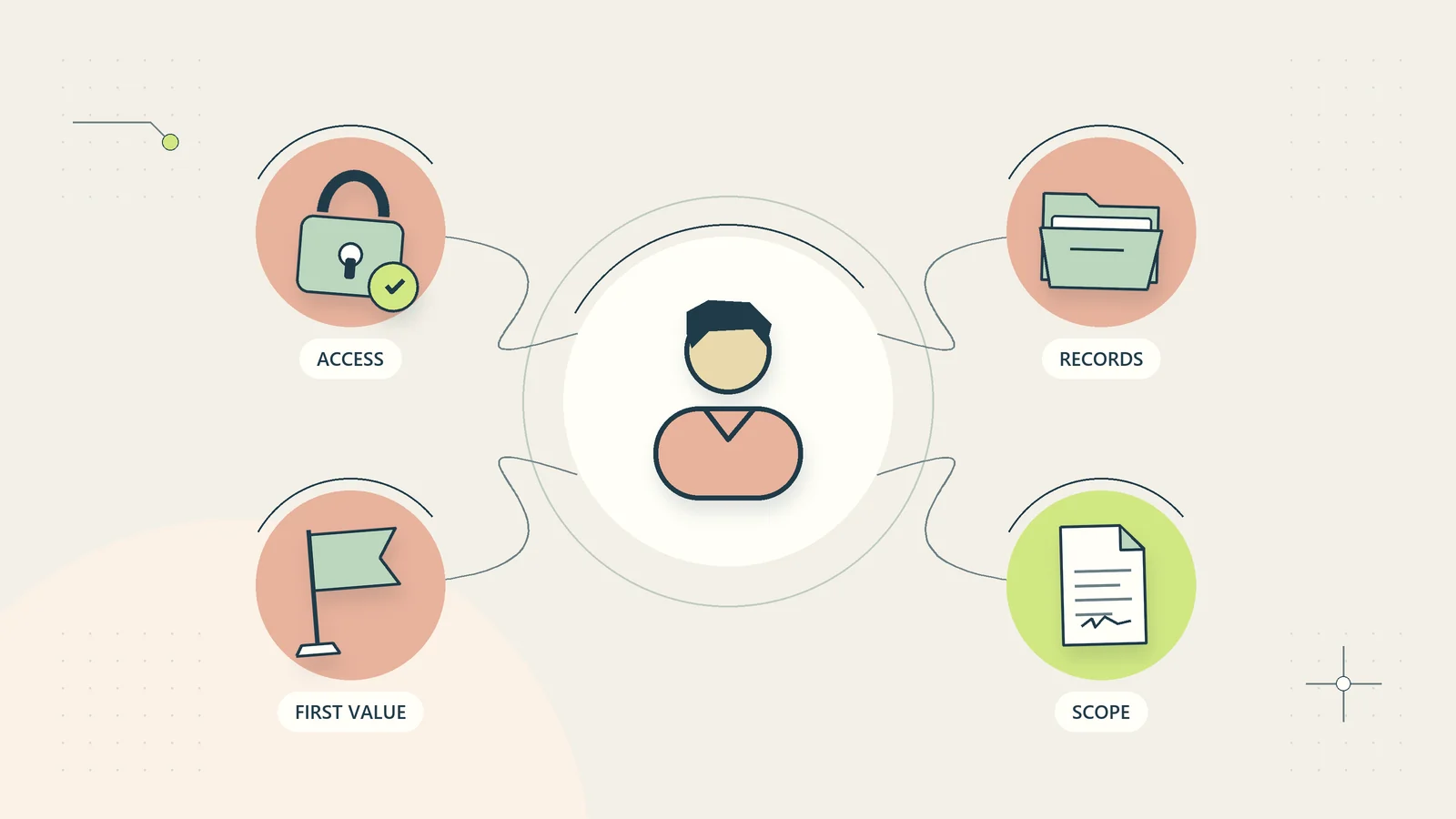
Keep the record short enough to read before work starts, while linking to detailed evidence. A practical structure has one summary page and supporting records for scope, decisions, access, and delivery tasks. Separate customer-visible information from internal commercial or security notes.
Include these fields:
- Project identifier and clear working name.
- Intended business outcome and the first observable deliverable.
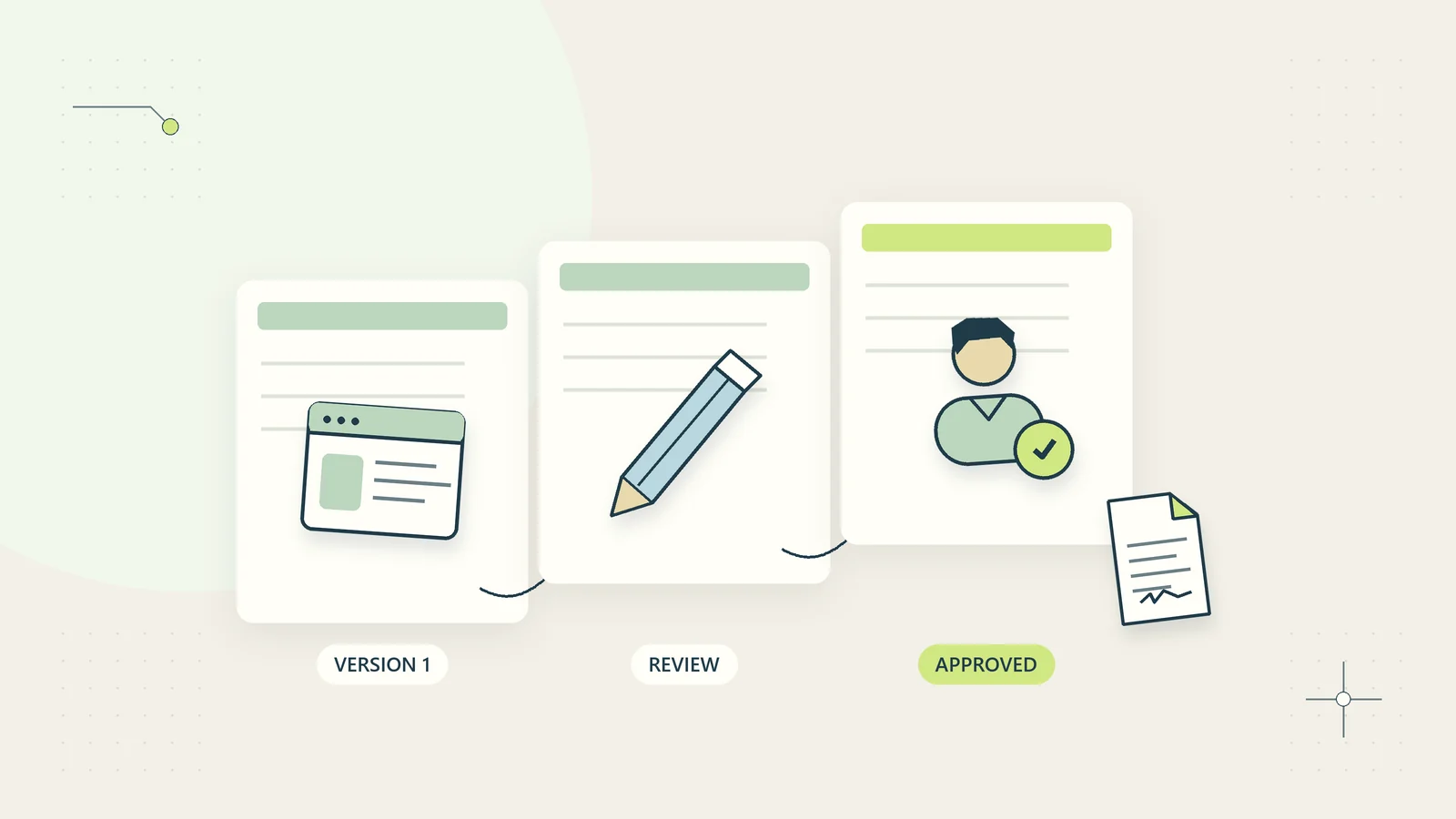
- Current scope version and the person authorized to approve it.
- Delivery owner, decision owner, and operational backup.
- Start conditions, major dependencies, and agreed milestones.
- Open questions, each with an owner and decision deadline.
- Communication channel, update rhythm, and exception route.
- Acceptance evidence and the final handover recipient.
Atlassian’s Project Kickoff Play emphasizes shared purpose, responsibilities, and success markers. The checklist here translates those themes into a small-team readiness record; it does not require Atlassian software or a particular meeting length.
The record needs a stable location. A kickoff summary pasted into a temporary chat will be difficult to find during a later disagreement. Give it a durable link and a named person responsible for keeping its decisions current.
Translate the promise into acceptance evidence
“Improve our onboarding” describes an ambition. “A new customer can submit the required details, receive a reference, and see the next step without a manual confirmation” describes an observable result. Agree on evidence at a level the team can actually inspect.
For each main deliverable, ask what a reviewer will examine, which conditions must be true, and who can accept it. A file being uploaded is not the same as the client being able to open and use it. Similarly, an automated message being queued does not prove delivery.
| Deliverable | Evidence at review | Decision owner |
|---|---|---|
| New intake page | Required fields work and errors are understandable | Client operations lead |
| Procedure pack | Another team member completes a sample task from it | Internal process owner |
| Reporting worksheet | Totals agree with the approved sample inputs | Named finance reviewer |
| Training materials | Intended users can locate and follow the relevant instructions | Training owner |
Acceptance criteria should reflect the agreed service. Avoid adding guarantees about revenue, rankings, compliance, or customer behavior simply because those outcomes are desirable. External outcomes may depend on conditions outside the project’s control.
Separate included work from surrounding requests
A kickoff is an opportunity to make scope understandable without reopening every commercial negotiation. List what the team will produce, what the customer must supply, and what is outside the current agreement. Add examples where a boundary is easy to misunderstand.
For a hypothetical website content project, editing approved text may be included while interviewing additional departments is outside the initial package. Correcting a broken link in the delivered material may be included while migrating an unrelated archive is a separate request. Specific examples are easier to apply than broad language about “reasonable revisions.”
Record how a new request enters the change process. The delivery team can describe the request and estimate its effect, but should not silently commit to extra work. Connect this rule to the client approval and scope-change process when several people can provide feedback.
If scope is ambiguous, preserve the question as unresolved. Do not convert silence into agreement unless the applicable agreement explicitly and validly establishes such a mechanism. Operational convenience is not a substitute for customer authorization.
Name decision rights before assigning tasks
Small businesses often have several people contributing and only one person who can approve a decision. Capture that distinction. A subject specialist may recommend a change, a project lead may coordinate it, and a client representative may hold final authority.
For each consequential decision, identify the proposer, required reviewer, approver, and people to inform. One person can fill several roles, but the record should still explain which responsibility they are exercising. This is especially important when a founder is both the salesperson and delivery lead.
Set practical limits for routine decisions. A coordinator might reschedule an internal check within the existing milestone window. They might need approval to change the public delivery date, charge additional fees, or share customer records with another organization. The limits should correspond to real authority rather than job titles alone.
Include absence coverage. If the approver is unavailable, define whether a backup can decide, a restricted portion may proceed, or work must pause. Naming a backup without granting the necessary access and authority creates a false sense of readiness.
Inspect dependencies and access
Write down dependencies in the order they affect delivery. “Waiting for client” is too broad. Identify the specific input, its owner, the date required, and the downstream work it enables. Distinguish a preferred date from the latest date that preserves the current plan.
Access should be verified through the intended user account, using the least privilege necessary. A statement that “the login exists” does not show that the assigned person can reach the right workspace, open the right folder, or perform the approved action. Do not place passwords or secret keys in the kickoff record.
Test a small safe action where appropriate: open a sample document, view the relevant project, or save a draft in a restricted location. Avoid live financial changes, public publishing, or destructive operations as informal access tests.
For each missing dependency, record a contingency. The team may use synthetic examples while access is pending, but should label them and prevent them from being mistaken for real customer evidence. A contingency is useful only if its limits are visible to the people relying on the output.
Build a first-week plan around handoffs
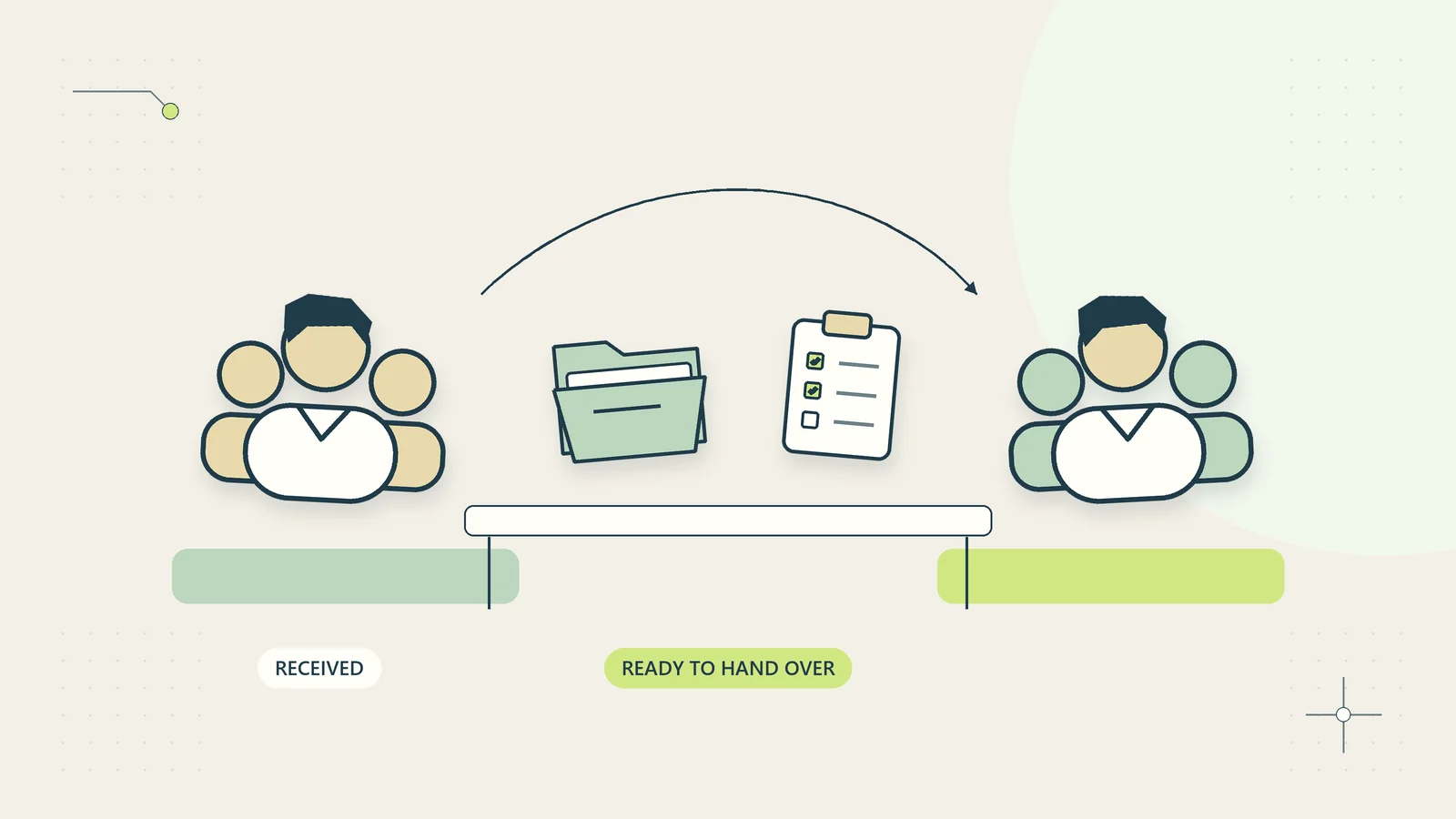
The first-week plan should show a chain of usable results rather than a list of activity verbs. “Research,” “design,” and “review” are difficult to coordinate unless each ends in a clear handoff. Name the output and the person who receives it.
For example, a researcher prepares an evidence summary; the project lead confirms unanswered questions; a designer produces one reviewable draft; the client decision owner returns consolidated feedback. Each stage should have entry conditions and a way to reject an incomplete handoff.
Use the business handoff checklist when work crosses between sales, delivery, operations, and finance. It helps prevent an enthusiastic kickoff from concealing missing billing details or an unsupported service commitment.
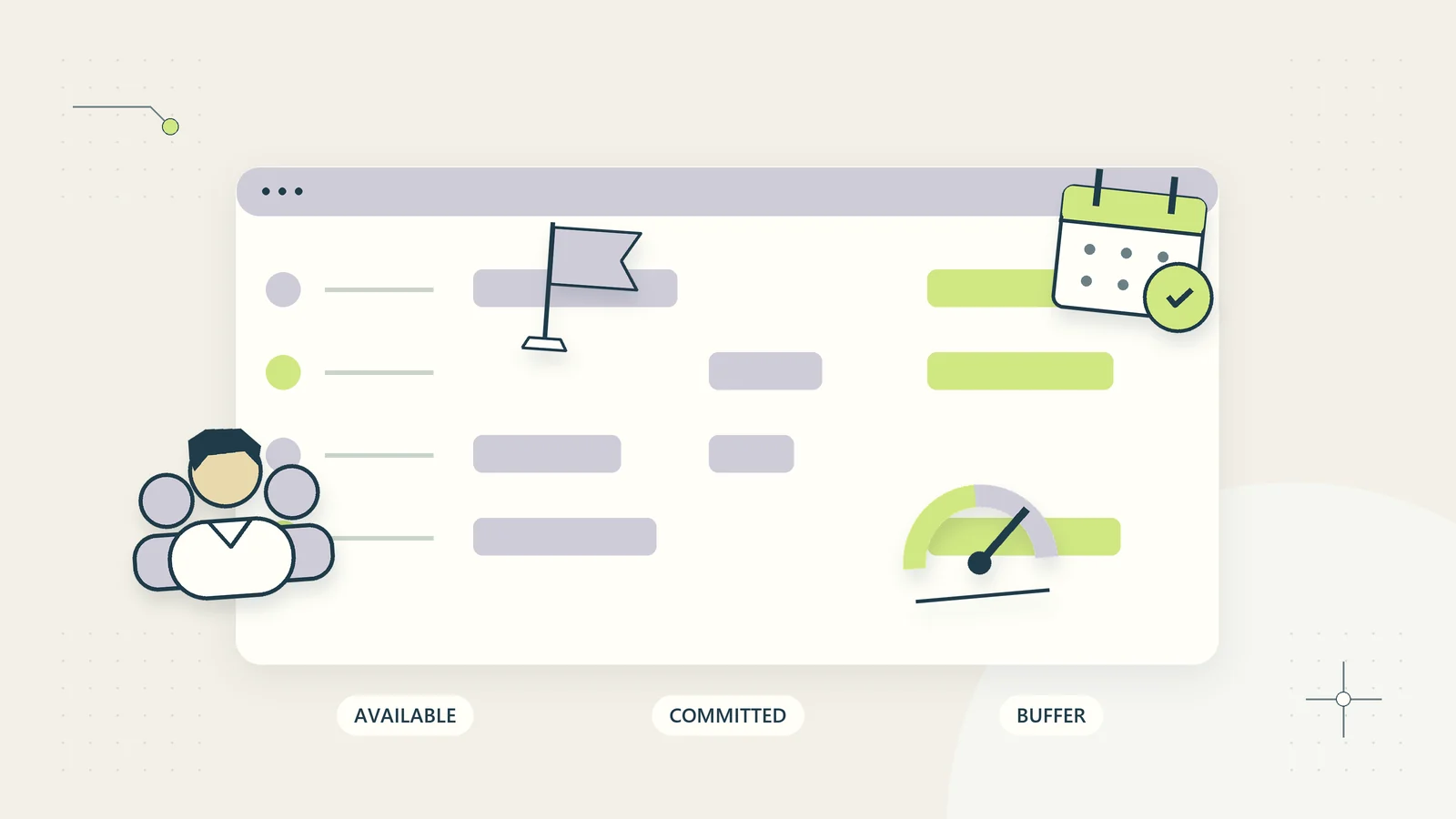
Keep the plan realistic about capacity. A person assigned to three simultaneous client launches does not gain availability because all three projects are marked high priority. Identify the collision and agree which work takes precedence before the client experiences an unexplained delay.
Choose a useful communication rhythm
Define when the client will hear from the team, what an update contains, and where questions belong. A rhythm can be milestone-based, periodic, or triggered by a meaningful exception. The right choice depends on the work and the expectations already agreed.
Write dates with a named time zone when teams work internationally. “Friday afternoon” may mean different calendar days for participants. Also distinguish the deadline to provide an input from the date a reviewer expects to inspect the resulting output.
For ordinary updates, include completed work, the next step, current blockers, and any decision needed. If a decision is requested, provide the options and consequence of delay. Do not require the client to reconstruct the project’s history from several messages.
Asynchronous kickoff responses can work well when the brief is straightforward. Send a structured record, invite corrections against specific sections, and capture the resulting decisions. Use a live discussion when conflicting assumptions or sensitive tradeoffs would otherwise generate an unproductive message chain.
A hypothetical kickoff that exposes a hidden gap
Imagine a four-person consultancy preparing a reporting pack for a repeat client. The commercial agreement specifies a draft in three weeks. Sales believes the client will provide clean source data; the analyst expects to receive raw exports; the client assumes the consultancy will retrieve information from its systems.
The kickoff record reveals three different interpretations before the analyst starts. The project lead records the input format, names the client data owner, and agrees a safe sample export. A test shows that one required field is missing. The team cannot responsibly treat the original draft date as unconditional.
Instead, it records a limited exception: the analyst may build the worksheet structure with synthetic data while the client resolves the export. Actual analysis remains blocked. The client decision owner accepts a revised dependency date and understands which milestone may move if the field is still unavailable.
The kickoff has not magically removed the dependency. It has made responsibility and consequence visible. That is a more useful result than a meeting that ends with every task marked green despite incompatible assumptions.
Use a final readiness checklist
Before releasing the project into delivery, ask a team member who was not responsible for drafting the record to walk through it. Can they identify the next task, its input, the decision owner, and the route for a blocker without additional explanation?
Check that the current scope is linked, the acceptance test is understandable, critical access is verified, and open questions have owners. Confirm that customer commitments in the kickoff match the commercial agreement. Look for copied dates, former employees, and obsolete links in reused templates.
Atlassian’s kickoff template provides another example of documenting goals and open questions. A template is only a starting structure. Your readiness decision should depend on current evidence, not on whether every box contains text.
Once approved, preserve the kickoff version and keep subsequent decisions in a dated change log. Updating the current plan is useful; erasing the record of why it changed is not. People need to distinguish the original assumption from a later agreed adjustment.
Agree how to pause or restart the project
Some projects lose readiness after kickoff. A key contact leaves, the customer changes priorities, or a required input becomes unavailable. Define a pause decision so the team does not continue generating work nobody can review or use.
A pause record should identify the last accepted output, unfinished work, any customer information held, and the conditions required to restart. Decide who will tell the customer and whether scheduled tasks or reminders should stop. Commercial consequences belong with the appropriate agreement and decision owner, rather than being invented by the coordinator.
When work restarts, run a targeted readiness check. Confirm that the scope, dates, access, and people are still valid. Do not simply reactivate all old tasks. A project paused for several months may contain assumptions that were reasonable originally but are now incorrect.
For example, a hypothetical procedure project might pause after its draft is accepted but before training. On restart, the client has changed its approval role and document repository. The team can preserve the accepted draft while reviewing the affected access and training instructions. This is more efficient than restarting everything, and more careful than assuming nothing changed.
Keep the restart decision linked to the original kickoff. That relationship explains which assumptions survived and which were replaced, giving the team a coherent history of the work.
Review whether the kickoff helped
Pilot the checklist on a small number of comparable projects. Record the preparation time, unresolved start conditions, blocked first-week tasks, and questions that had already been answered in the kickoff record. These observations show where the structure is useful or burdensome.
Do not judge success by the number of meetings held or fields completed. A shorter kickoff that exposes a missing approver can be more effective than an elaborate workshop that produces no decision. Similarly, a low question count can reflect either clarity or a team afraid to raise concerns.
At the first meaningful delivery review, ask which assumption failed and whether the kickoff could reasonably have surfaced it. Improve one section based on evidence. If a recurring problem concerns intake, fix the intake rather than continually expanding the kickoff checklist.
The project should leave kickoff with a practical next step and an honest view of uncertainty. Keep the record close to the work, update it when decisions change, and let it serve the team throughout delivery rather than disappear after the opening day.
Sources and editorial method
Checked on October 15, 2026. This article uses Atlassian’s Project Kickoff Play for general kickoff concepts and its project kickoff template as a documentation reference. The readiness framework, checklist, decision table, and hypothetical consultancy example are original operational guidance. No software subscription, meeting booking, or tested integration is required to use the approach.