Make repeat client work easier without skipping checks
Build repeat client work around reusable templates, fresh cycle facts, scope checks, clear triggers, current owners, and controlled pauses or restarts.
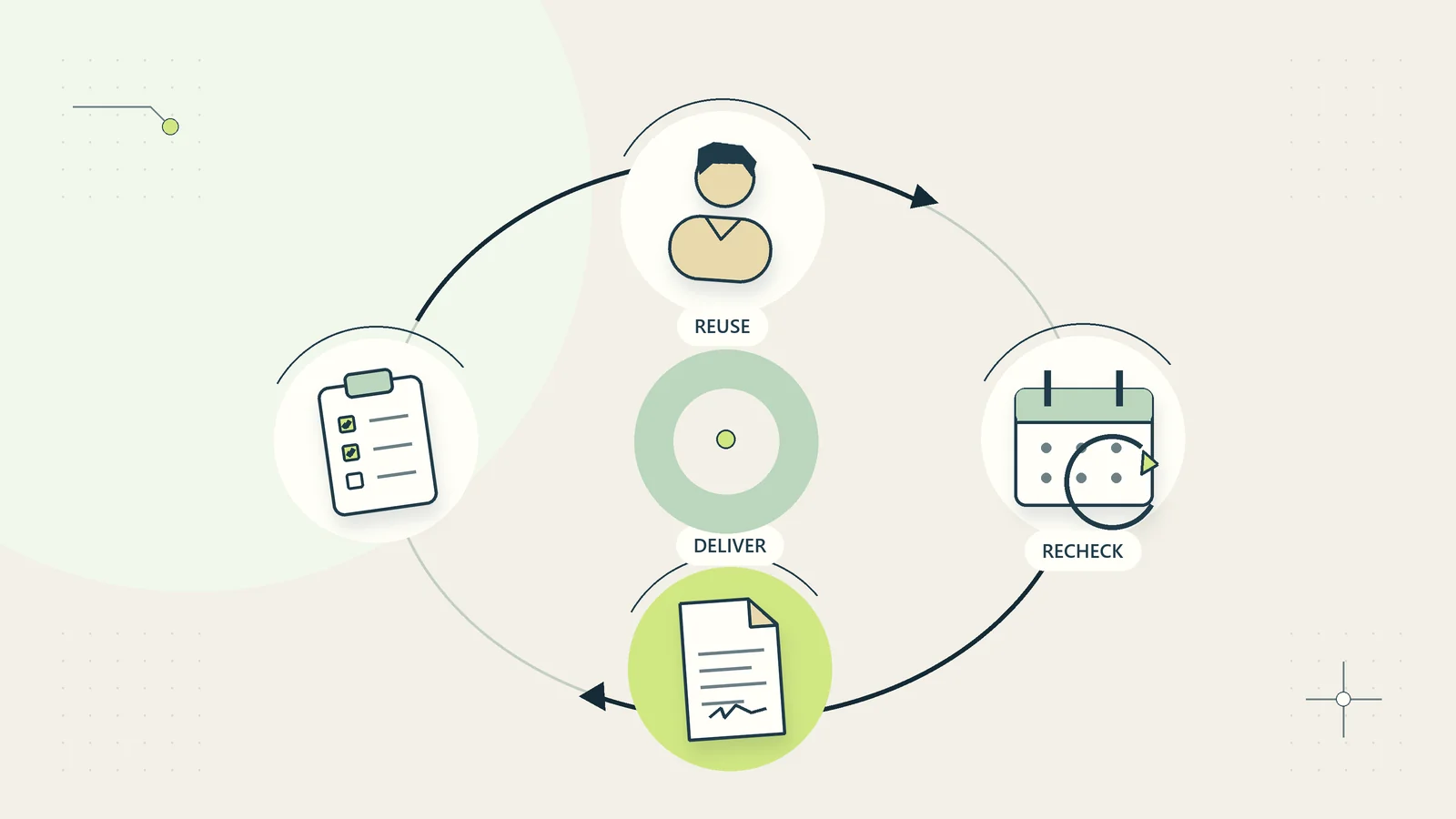
Repeat client work should become easier because the business has learned how to deliver it, not because the team stops checking whether the current request is different. A reusable process can save setup effort while still confirming scope, access, dates, and approval authority for each new cycle.
The common failure is copying a previous project so completely that old assumptions become current instructions. A former contact receives an update, last month’s deadline remains in the task list, or the team starts work under a price that no longer applies. Familiarity makes these errors easy to overlook.
This guide explains how to separate a reusable delivery pattern from the facts of a particular engagement. It applies to recurring reports, maintenance services, creative production, administrative support, and other repeatable work. A template can coordinate these activities without requiring a particular vendor account or an externally connected automation.
Define the unit of repeat work
Start by deciding what repeats. It might be a monthly reporting cycle, a single product update, a quarterly review, or an individual client request. The unit should have a clear beginning, a recognizable output, and a completion decision.
Avoid placing all work for a long-term client into one permanently open project. That structure makes it difficult to tell which cycle is complete, which invoice relates to which output, and which delays belong to the current request. Link separate cycles under a shared client record instead.
Give each cycle a unique reference and a date range where appropriate. The customer name identifies the relationship; the cycle reference identifies the work. A recurring task called “Acme report” is less useful than a record that clearly distinguishes the September report from the October report.
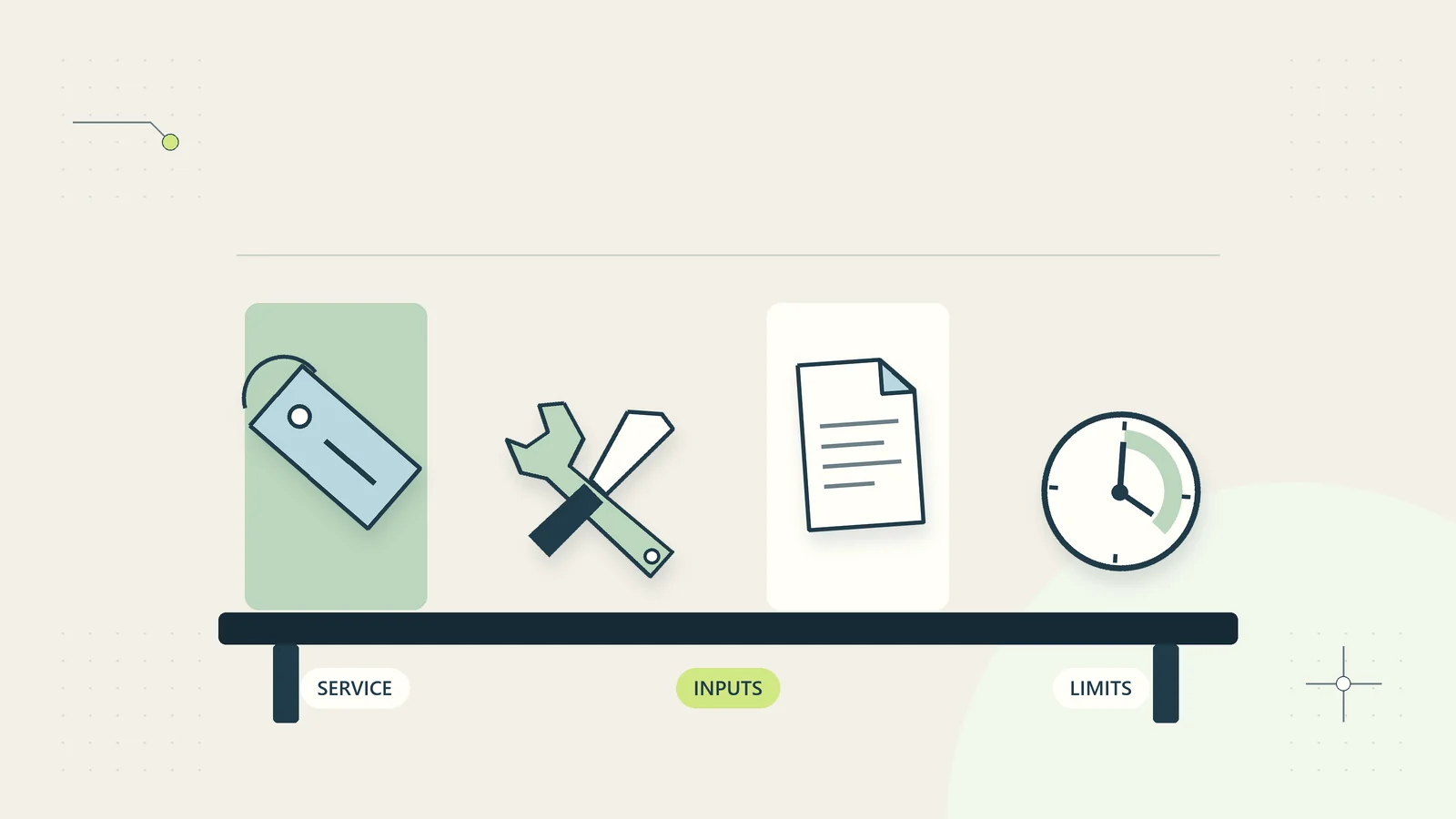
Use the service catalog guide if the business cannot describe the repeatable unit consistently. A reusable process is easier to maintain when the service itself has a stable definition and visible boundaries.
Separate reusable instructions from cycle-specific facts
A good template contains the process: stages, standard checks, role definitions, expected outputs, and exception rules. A new cycle contains the facts: the customer, current scope, dates, named people, input links, and approval decisions.
Keep the template free of live customer material whenever possible. A sample file should be synthetic and clearly labeled. Copying a completed client project can accidentally carry private documents, internal comments, or financial information into the wrong workspace.
| Reusable template element | Confirm for each cycle |
|---|---|
| Standard delivery stages | Which stages apply to this request |
| Role descriptions | Current named owners and backups |
| Input checklist | Current files and their completeness |
| Relative milestone logic | Actual dates and time zones |
| Quality review questions | Current evidence and reviewer decision |
| Standard exception routes | Any engagement-specific restrictions |
Asana’s project template documentation provides a software-specific example of reusable project structures. The broader operating principle is tool-independent: reuse the structure while deliberately refreshing the engagement facts.
Choose the right trigger for the next cycle
There are several possible triggers: a calendar date, completion of the previous cycle, a new customer request, or a verified external event. Choose the trigger that matches the service obligation rather than the easiest scheduling option.
A monthly report may need to begin on a calendar schedule even if the previous report is delayed. A maintenance follow-up might appropriately start a set interval after completion. A customer-requested revision should usually depend on a valid request within the agreed scope.
Document what happens when a trigger occurs while the prior cycle remains open. Creating another project automatically can hide an accumulating backlog. Blocking every new cycle can also be wrong when the service requires independent work for a new period.
Atlassian’s recurring work-item guidance illustrates that recurrence can depend on a schedule or completion. Its product-specific copying rules also show why you should inspect exactly what is carried forward instead of assuming a recurring item is a complete fresh engagement.
Build a short refresh check before work starts
Use a refresh check to confirm the facts most likely to change. It should be shorter than onboarding a completely new client, but it must still catch meaningful differences. Focus on changes rather than asking the customer to repeat information unnecessarily.
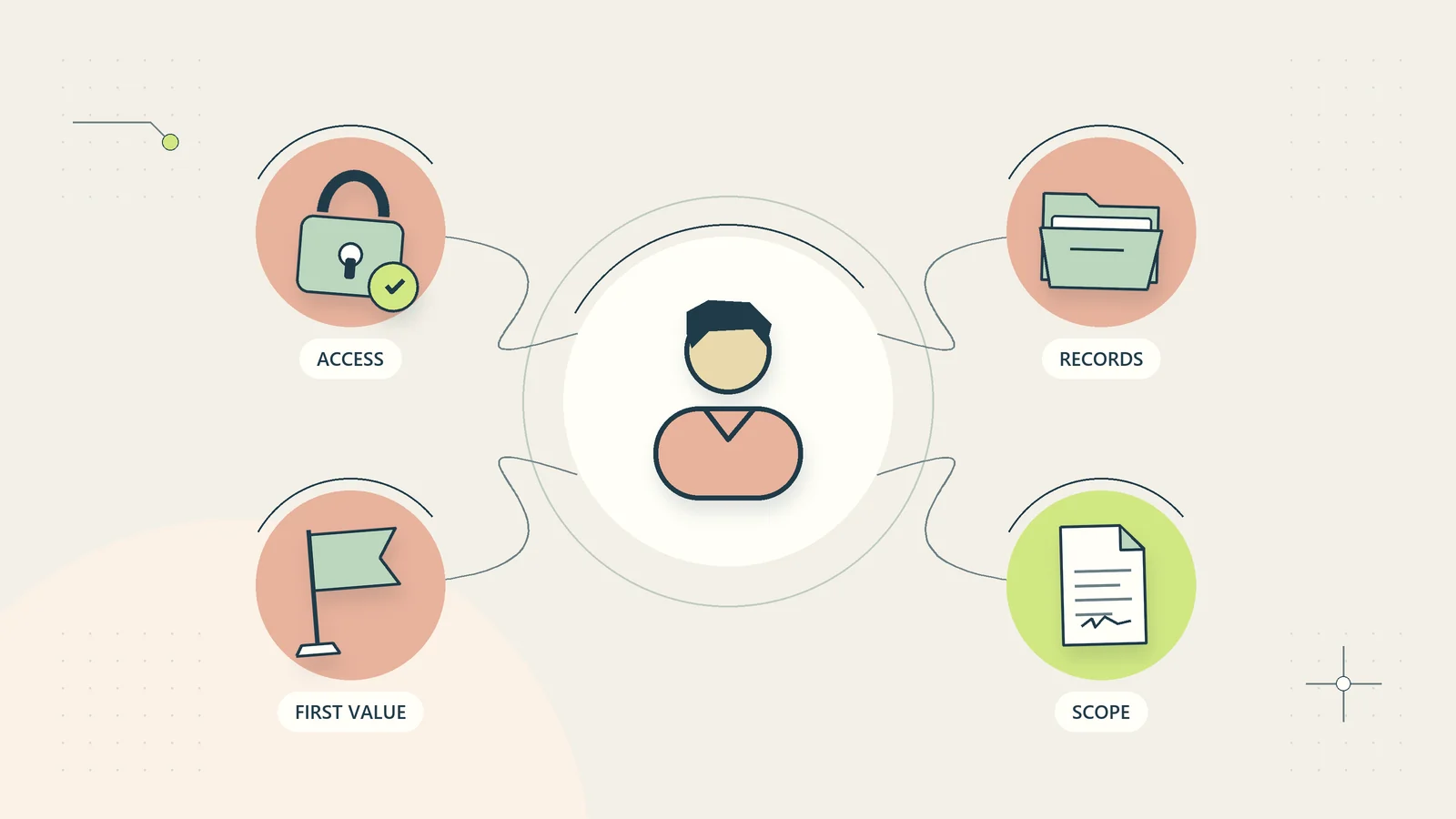
Confirm the requested outcome, current service scope, delivery date, approval contact, source information, and any changes in access. Ask whether there are new constraints, stakeholders, or instructions that affect the work. Make the previous assumptions visible so the client can correct them.
Do not treat an old approval as permission for a new external action. A client who approved last month’s newsletter has not necessarily approved this month’s content. Likewise, historic access to a shared folder does not establish that every employee should retain it indefinitely.
For a materially changed request, return to the client onboarding process or the appropriate scope review. A repeat relationship does not make a new service automatically low risk or included in the old price.
Use relative dates with explicit calendar checks
Relative dates make a template portable. A draft may be due a certain number of working days after complete inputs arrive, with review following later. But relative rules still need a calendar check for weekends, holidays, staff availability, and international time differences.
Define the event that starts the clock. “Three days after intake” is ambiguous if intake can be incomplete. Use a recorded readiness event, such as the owner confirming that the required inputs have been received and accepted.
When inputs arrive late, show the effect on the schedule. Do not silently compress review time to preserve a date that was based on an earlier assumption. The decision owner should choose whether to revise the date, reduce scope, or allocate additional capacity within approved limits.
Keep a link between the calculated plan and any agreed exception. If a customer requests a different sequence, record why it was accepted and what additional checks are needed. Otherwise, the exception may become an unexplained template change applied to everyone.
Make recurring ownership resilient
Assign the cycle to a role first and then confirm the current person. A template that always names the same employee will fail when they leave or take leave. The business needs to know who performs the responsibility now.
Distinguish delivery ownership, customer communication, quality review, and commercial approval. A small team may combine these roles, but the limits should remain clear. For consequential decisions, consider whether an independent check is practical and appropriate.
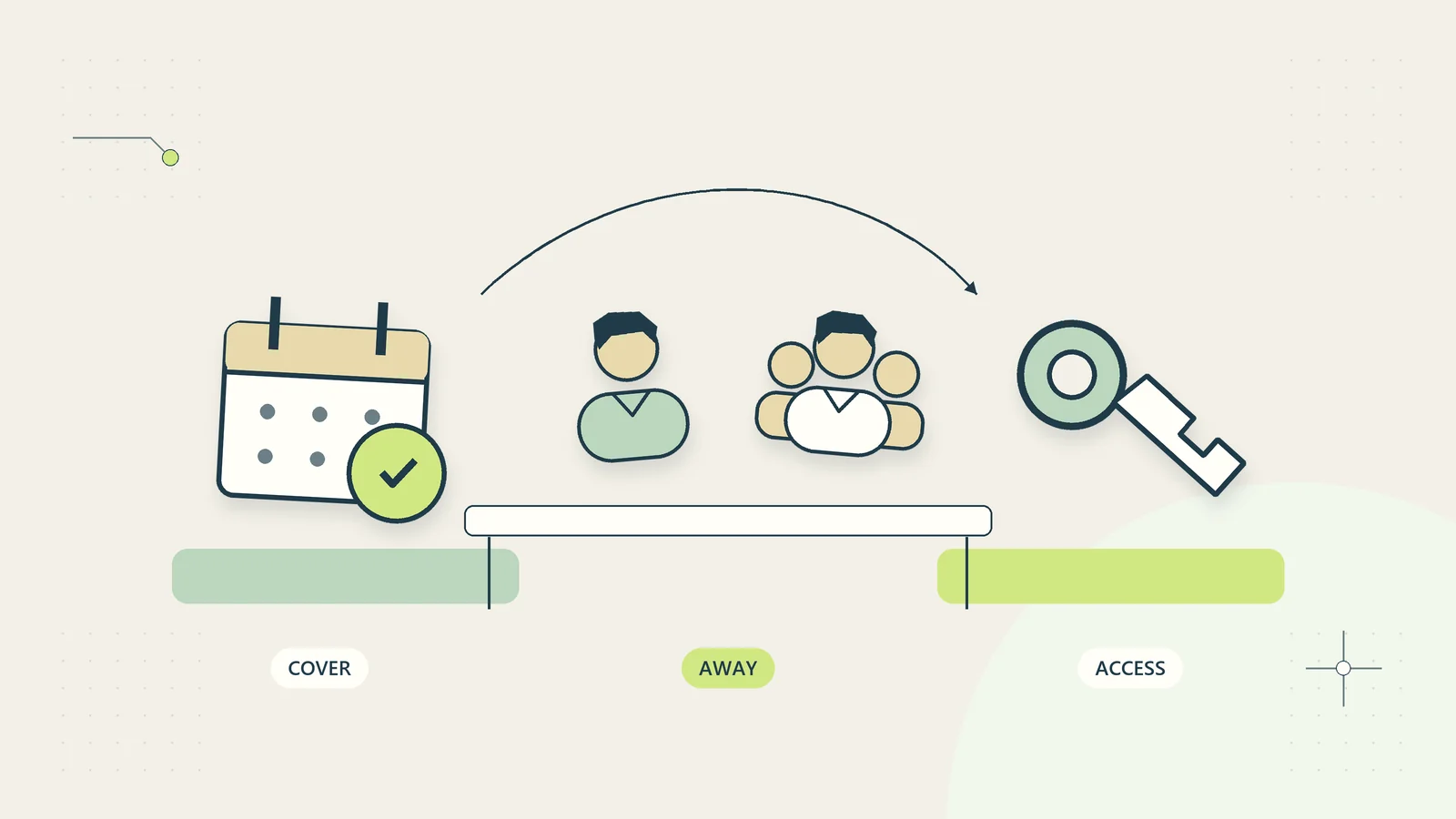
Use the out-of-office coverage guide before a cycle overlaps planned absence. Give the backup the necessary context and access, while avoiding broad access to unrelated client information.
Define what happens when a task remains unassigned. An automated reminder sent to nobody does not constitute coverage. The queue should surface unassigned current-cycle work to a named operational owner who can make a staffing decision.
Preserve quality checks that still matter
Repeat work often contains both stable steps and variable judgment. Automate or simplify the stable administrative checks where appropriate, but preserve review where the current evidence can differ. A familiar customer can still supply a wrong file, a changed instruction, or incomplete information.
Identify the checks that protect the output’s usefulness. For a recurring report, these might include the period covered, source completeness, reconciliation to agreed totals, and explanation of known limitations. For a creative asset, they might include the approved brief version and authorized publication decision.
Use a clear completion definition. “All tasks checked” is not enough when the output has not reached the intended recipient or cannot be opened. Include handover evidence and any action the client must take next.
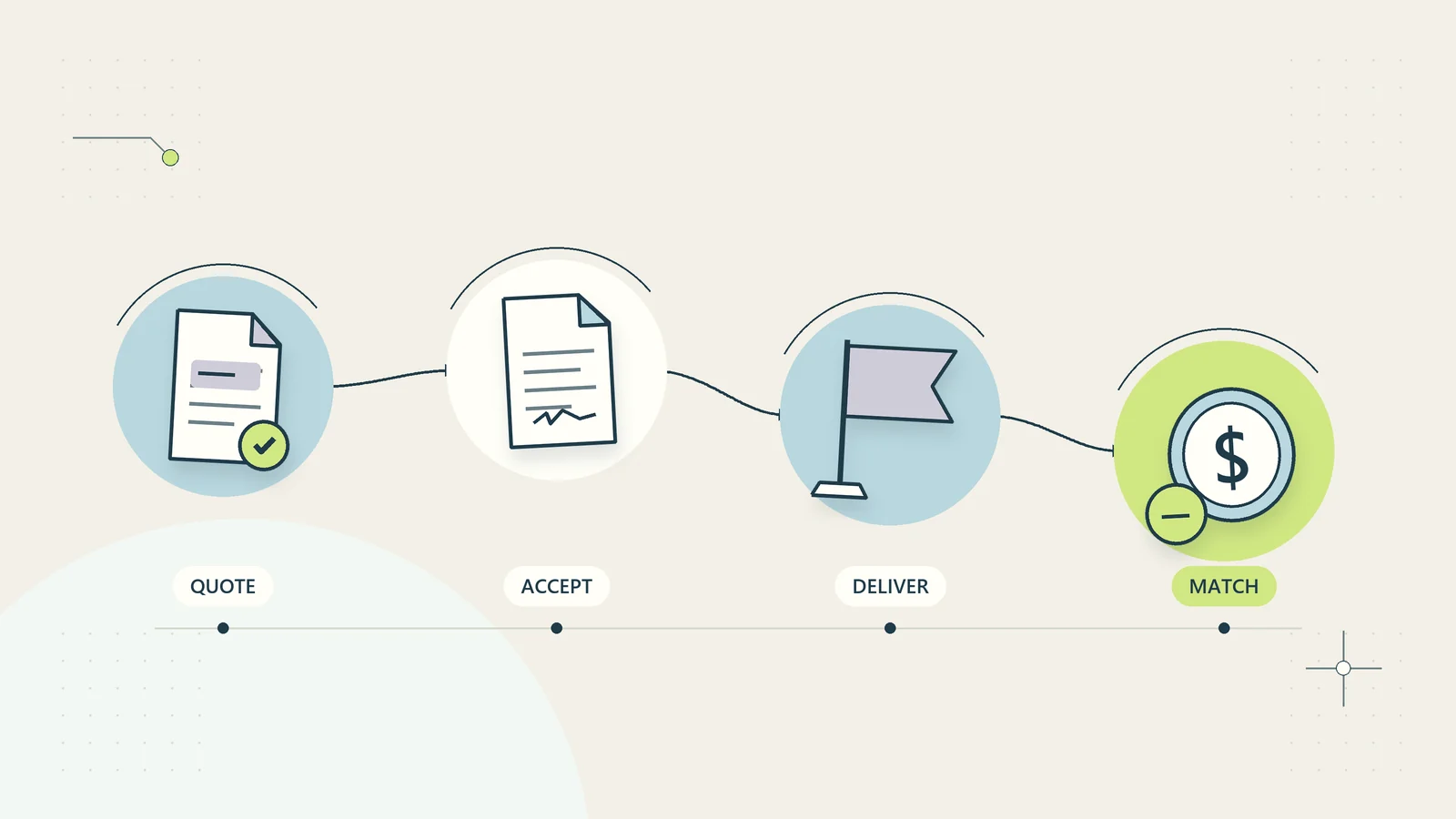
Connect delivery and billing through the quote-to-cash handoff map. A recurring relationship can still produce billing disputes when a cycle’s scope, approval, or delivery evidence is missing.
Keep changes out of the template until reviewed
One client’s special request should usually remain a cycle-specific variation. Before updating the master template, ask whether the change applies broadly, whether it introduces new obligations, and whether it has been tested on a safe example.
Maintain a simple template change log with the reason, owner, version, and date. Identify which future cycles use the new version. Do not silently alter instructions inside active projects unless the owners understand the change and its consequences.
If the current template contains a serious error, treat it as a correction rather than waiting indefinitely for the next scheduled review. Identify active cycles affected, decide the necessary action, and preserve the original record so the team understands what was changed.
Retire unused variants. A library containing twelve nearly identical templates creates uncertainty about which one is current. Keep a small set of supported service patterns and document the conditions that justify each variation.
A hypothetical monthly reporting cycle
Imagine a consultancy preparing a monthly operations summary for a repeat client. The template includes input receipt, completeness review, analysis, internal review, client delivery, and billing handoff. The October cycle is created with its own reference and linked to the ongoing client record.
During the refresh check, the client names a new approval contact and reports that one branch now uses a different data export. The coordinator updates the current-cycle facts, verifies access for the new contact, and assigns a reviewer to inspect the changed input format.
The export arrives incomplete. The cycle moves to a blocked state with a named input owner and next review date. The team does not reuse September’s figures or mark the source check complete because previous months were reliable. It records which preparatory work may continue without the missing data.
After the corrected input arrives, the owner confirms readiness and recalculates the remaining schedule. The final handoff identifies the reporting period, source limitations, and output version. This hypothetical example shows a repeat process reducing setup effort while retaining checks that depend on current facts.
Watch for duplicates and stale cycles
Recurring automation can create duplicate work if a schedule is configured twice, a manual restart is mistaken for a new request, or an interrupted run is retried without checking what already exists. Use a cycle identifier and a creation check before generating another instance.
For example, a monthly service might use the client identifier, service code, and reporting period as a uniqueness rule. A second attempt for the same combination should locate the existing cycle or enter review rather than create an independent project silently.
Keep canceled, skipped, and superseded states distinct from completed. A cycle skipped by agreement should record who approved it and whether billing or future schedules are affected. A canceled cycle should not continue sending reminders or creating delivery tasks.
Inspect the oldest open cycles. New work can make a queue look active while unfinished prior periods accumulate. The operational owner needs to decide whether these items require completion, a revised agreement, or a documented closure with unresolved limitations.
Plan for pauses, skipped cycles, and service endings
A repeat process needs an exit route as well as a creation trigger. Record how an authorized pause, cancellation, or end of service affects future cycles. Otherwise, automated task creation can continue after the business and customer believe the work has stopped.
Distinguish a skipped period from a postponed one. A skipped monthly output may never be produced, while a postponed output still represents open work. Confirm the effect on future dates and any billing decision with the appropriate owner. Do not let a coordinator infer commercial terms from a calendar change.
Before stopping a recurring pattern, inspect work already created. Identify active tasks, scheduled messages, input requests, and promised updates. Close or revise them deliberately so the customer does not receive contradictory reminders after the pause is agreed.
For a restart, confirm the current service version, contacts, access, and outstanding obligations. A repeat client returning after a long gap may need a fuller refresh than one continuing on the normal cadence. Preserve the earlier records without copying obsolete assumptions into the new cycle.
When the relationship ends, identify the final handover, any outstanding decision, and the applicable handling of access and records. Use the business’s approved retention and access procedures rather than deleting everything or keeping every permission indefinitely. A well-designed repeat process should leave an understandable ending, not a collection of recurring tasks waiting for someone who no longer expects them.
Measure whether repetition is actually helping
Compare setup time, missing input frequency, rework caused by copied information, and time spent clarifying ownership. Track the number of manual corrections needed after a new cycle is created. These measures reveal whether the template reduces effort or merely hides it elsewhere.
Include customer experience. A faster internal setup is not beneficial if customers must answer repeated questions, receive conflicting dates, or cannot distinguish current work from the previous cycle. Ask whether the refresh check feels relevant and concise.
Pilot the template on a few comparable cycles before applying it widely. Test a normal cycle, a late-input case, an absence, and a request outside scope. Stop expansion if private information is copied incorrectly, duplicate work is created, or old approvals are reused for new actions.
Keep the repeat process easy to inspect. A dependable system should make the current cycle, its owner, its evidence, and its next step obvious. The advantage of repetition is accumulated knowledge applied carefully to new work, with enough attention to notice when the situation has changed.
Sources and editorial method
Checked on October 15, 2026. Sources are Asana’s project template documentation and Atlassian’s recurring work-item documentation, used for limited concepts about reusable structures and recurrence triggers. The refresh check, cycle controls, decision table, and hypothetical reporting example are original operational guidance. No vendor account, affiliate arrangement, or tested integration is required or claimed.