A month-end close checklist for a small business team
Coordinate month-end evidence, reconciliations, exceptions, and review with a practical checklist and illustrative close calendar for small businesses.

A month-end close checklist coordinates the evidence, reconciliations, questions, and reviews needed to finish a reporting period. For a small business owner, its most useful function is visibility: what is ready, what is missing, who owns the next decision, and whether the people responsible for the accounts have completed their review.
The accounting treatment of transactions belongs with the appropriately qualified person and the standards applicable to the business. This guide focuses on the administrative process around that work. It includes an illustrative close calendar, an evidence checklist, and an exception log. The suggested sequence is a planning example, not a statutory deadline or a promise that every business can close in a fixed number of days.
Understand the outcome of a close
Intuit’s month-end close guide describes the review, reconciliation, and finalization of a period’s financial activity. The operational challenge is that the supporting work often sits across finance, sales, purchasing, payroll, inventory, and external advisers.
A close is not complete because a report can be exported. Someone needs to determine whether the underlying work is sufficiently complete, which questions remain open, and what the figures can be used for. Those decisions should be made by the responsible accounting and business owners, with any limitations recorded clearly.
Define the reporting output your team needs. A management pack, lender requirement, tax-related task, and internal cash review may have different purposes and dependencies. Keep their responsibilities and dates explicit. A single checkbox called “accounts done” hides those differences and can create an impression of certainty the actual records do not support.
Agree the roles before the period ends
Name the close coordinator, the people preparing particular schedules, the reviewers, and the person who can accept or escalate an unresolved issue. In a small business one person may perform several roles, but the responsibilities still need to be understandable.
Identify who can supply evidence from each source. Sales may explain an unusual customer credit; purchasing may hold a supplier record; the inventory owner may know why a count differs. Finance should not have to discover those owners again every month. Keep a backup contact where an absence could prevent an essential review.
Separate preparation from approval where the business’s controls require it. Do not treat an automated data import as an independent review of that data. The checklist should show who performed the check, what period and version it covered, and where the relevant evidence can be found.
Use a close calendar as a dependency map
An illustrative calendar can organize work relative to the period end rather than assume every country or business follows the same dates. Place prerequisite collection before reconciliation and reconciliation before final review. Adjust the sequence for the actual systems and reporting obligations.
| Stage | Coordination focus | Evidence to keep |
|---|---|---|
| Before period end | Confirm owners, expected inputs, and known unusual events | Current checklist and owner list |
| Collection window | Obtain approved source records for the correct period | Evidence register and missing-item queue |
| Preparation | Assemble reconciliations and questions | Linked schedules with preparation status |
| Review | Resolve or escalate material questions through the proper authority | Reviewer decision and open-issue record |
| Reporting | Release the agreed output with any stated limitations | Approved version and distribution record |
| Improvement | Review recurring blockers and corrective actions | Short retrospective and updated procedure |
The calendar should make waiting visible. If a source record arrives late every month, repeatedly moving the final review date does not address the dependency. Identify the cause and decide whether the collection method, internal cutoff, or responsibility needs to change.
Build an evidence register
List the categories of records the accounting owner requires for the period. Depending on the business, they may include bank and payment-provider records, customer and supplier activity, payroll information, inventory evidence, financing records, and explanations of unusual events. The responsible accountant should define the actual requirements.
For each category, record the period, entity, source location, owner, receipt status, and review status. Receipt means the expected record arrived. Review means the relevant person assessed it for its intended purpose. Do not collapse those into one “complete” field.
Link to approved storage instead of distributing full financial records across task descriptions and email chains. Keep access appropriate to the roles involved. The document-management guide explains how controlled references, clear versions, and review states can support this kind of handoff.
Coordinate reconciliations without substituting for them
The checklist can track whether a reconciliation has been prepared and reviewed, which source period it uses, and whether it contains unresolved differences. It should not declare that an account is reconciled merely because an import completed or two totals appear similar.
Let the accounting owner determine the reconciliation method, required adjustments, materiality considerations, and review criteria. Administrative automation can collect the relevant records and route a discrepancy; it should not invent entries to make a difference disappear. A plausible explanation from an AI tool is not supporting accounting evidence.
Record the version of each schedule that was reviewed. If the underlying ledger or source record changes afterward, the earlier approval may no longer cover the new version. Define how a change reopens review and who can authorize the revised output. This protects the meaning of a signoff without requiring every staff member to become an accounting specialist.
Keep one actionable exception log
An exception log should describe the question, affected period and record, owner, next action, and review date. Use a reason that the person can act on: missing statement, unclear customer allocation, duplicate source item, unexplained difference, or changed record after review.
Avoid copying sensitive financial details into a queue visible to people who do not need them. A controlled reference and a concise description can be enough. The exception owner should have access to the authoritative evidence and know which qualified person can resolve the accounting question.
Make the disposition explicit. An issue may be resolved, escalated, carried forward with appropriate approval, or remain a blocker. The relevant authority decides which treatment is acceptable. The workflow should preserve that decision and its context rather than silently hiding the item when the calendar reaches a target date.
Example of a useful exception record
An illustrative log entry might read: “Period 2026-09; payment-provider evidence; source statement received but two transaction references need explanation; owner: payment operations; next action: obtain the provider’s transaction detail; accounting reviewer to assess the result.” It describes a coordination problem without deciding the accounting answer.
A weak entry would say only “payments wrong.” That description forces the next person to repeat the investigation and may imply a conclusion that has not been established. Keep observations, questions, and approved decisions distinct. When the issue is resolved, link the supporting evidence and record who accepted the disposition. If a source changes again, the history should explain why review was reopened rather than leaving the team with two apparently contradictory completion dates.
The example uses a synthetic period and no actual financial data. Adapt the fields to the categories your accounting owner needs, and keep access to underlying records controlled.
An illustrative close coordination example
Imagine a small international services business using an accounting application, a separate payment provider, and a project system. At month end, a coordinator can see invoices in one tool but does not know which payments, refunds, or service changes have reached the accounting records. The business needs an evidence handoff, not a second unofficial ledger.
The coordinator creates the period checklist with the accounting owner. It identifies the required source records, the responsible person for each, and the approved storage location. Each item is linked by period and entity. Records that do not match those identifiers enter the exception log rather than being placed into the nearest-looking folder.
The accounting team prepares and reviews its reconciliations. A payment-provider difference is assigned to the person who can obtain the relevant transaction evidence. A scope change affecting an invoice is routed to the commercial owner for explanation. Neither issue is automatically classified or corrected simply to meet the illustrative calendar.
When the responsible reviewers accept the output, the coordinator links the approved reporting version and records its distribution. The next month’s procedure includes an earlier request for the evidence that caused repeated waiting. This hypothetical example shows coordination and ownership; it does not report a tested close speed or establish the accounting treatment of any transaction.
Make the reporting handoff clear
The person receiving a report should know its period, entity, purpose, approved version, and any relevant limitations. Avoid distributing several differently named “final” files without an authoritative reference. If a corrected version replaces an earlier one, communicate that change through the agreed route.
Decide who is permitted to receive the output. An internal management pack can contain information that should not be available to every supplier, contractor, or customer. Check the recipient list and sharing method before a workflow sends financial information externally.
Keep a record of the release decision proportionate to the business’s needs and obligations. A button click should identify what was approved, not simply that someone looked at a dashboard. The administrative system supports the review; it does not create professional assurance beyond the work actually performed.
Use software status without assuming its meaning
An accounting application may provide review indicators, task lists, or client-overview screens. Verify what each indicator means in the current product and region. A bank feed being connected does not necessarily mean every transaction for the period is available or reviewed.
Intuit’s current client-overview documentation describes views used to track client and bookkeeping work. Product behavior and available features can vary. Use official documentation to confirm the meaning of a status before mapping it into your own close checklist.
If several systems contribute information, document the update direction and identifiers. Avoid two-way synchronization of a broad “completed” field unless the business has defined how conflicts are resolved. A review state in one application may refer to a smaller scope than the overall close process.
Automate reminders and preparation carefully
Good early candidates include preparing the next period’s checklist, reminding an owner about a missing category, or flagging a schedule whose reviewed source changed. These actions are easier to inspect than allowing a workflow to make accounting judgments or post unreviewed adjustments.
Before sending a reminder, read the current item state and owner. A record may already have arrived, the request may have changed, or an authorized person may have accepted a different treatment. Keep the message focused on the required action and link to the approved case rather than attaching private financial records unnecessarily.
Test duplicate events, late records, withdrawn approvals, changed periods, unavailable systems, and ambiguous destinations with synthetic data. The monthly close blueprint gives a starting architecture, while the exception-monitoring workflow helps frame recovery responsibilities. Neither is proof of a production accounting integration.
Review the process after each close
Ask which items caused waiting, which questions returned, and which evidence required repeated clarification. Separate a one-time unusual event from a recurring process problem. A short retrospective is most useful when it leads to a named corrective action rather than a general promise to communicate better.
Track a few consistent measures: elapsed time to the defined reporting output, unresolved exceptions by age, reopened reviews, late evidence, and repeated requests. Include the time spent maintaining the checklist and recovering from automation failures. A faster close with more hidden corrections may not be an improvement.
Compare similar periods and explain unusual conditions. A small sample cannot establish a universal benchmark. Use the observations to improve the business’s own process and discuss the results with the responsible accounting owner before changing controls or reporting commitments.
A practical starting checklist
For the next period, confirm the reporting purpose, responsible accounting owner, coordinator, expected source categories, and review sequence. Create one evidence register and one exception log. Agree how a changed source record reopens review and how the approved output is identified.
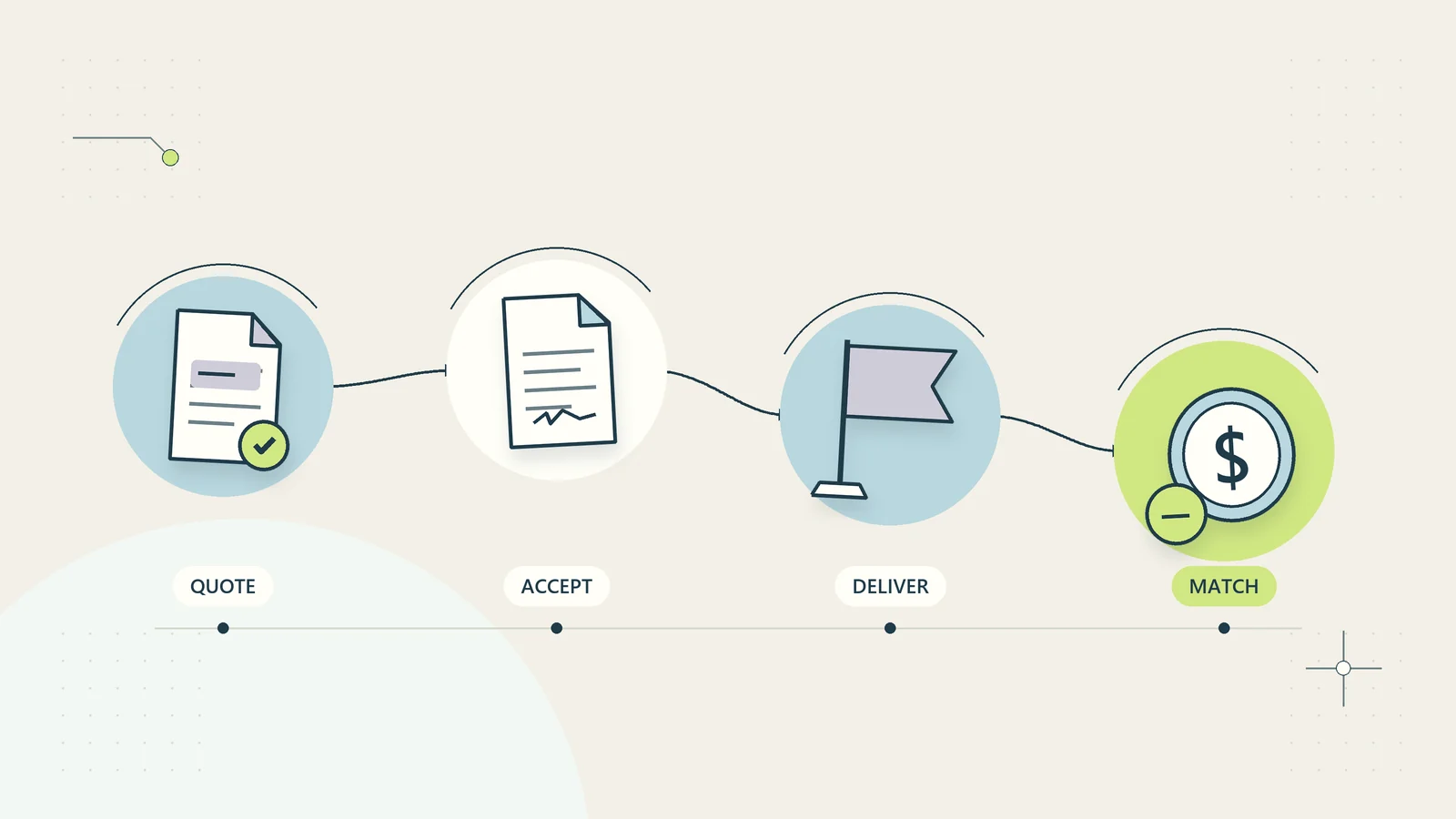
Then address one recurring bottleneck. It may be document collection, payment evidence, or an unclear handoff from delivery to billing. The quote-to-cash guide covers the upstream sequence, and the workflow planner helps create a downloadable starting outline for your own team. Keep professional decisions with the people authorized and qualified to make them.
The business-owner and bookkeeper handoff is especially useful when the coordinator is not the person making accounting judgments. Agree which records are ready for review, which questions remain open, and who can resolve them. A handoff should make uncertainty visible rather than replacing a missing answer with a convenient assumption just to clear the checklist.
Sources and editorial method
Research checked October 15, 2026. The linked Intuit resources support the description of close activities and current bookkeeping-status views. The calendar, evidence register, and service-business example are original illustrative coordination tools. This article does not provide accounting treatment, filing deadlines, or assurance about financial statements.