A payment reconciliation process for operational teams
Link invoices, payment events, settlement batches, and bank entries with a practical reconciliation routine, exception queue, and worked payout bridge.
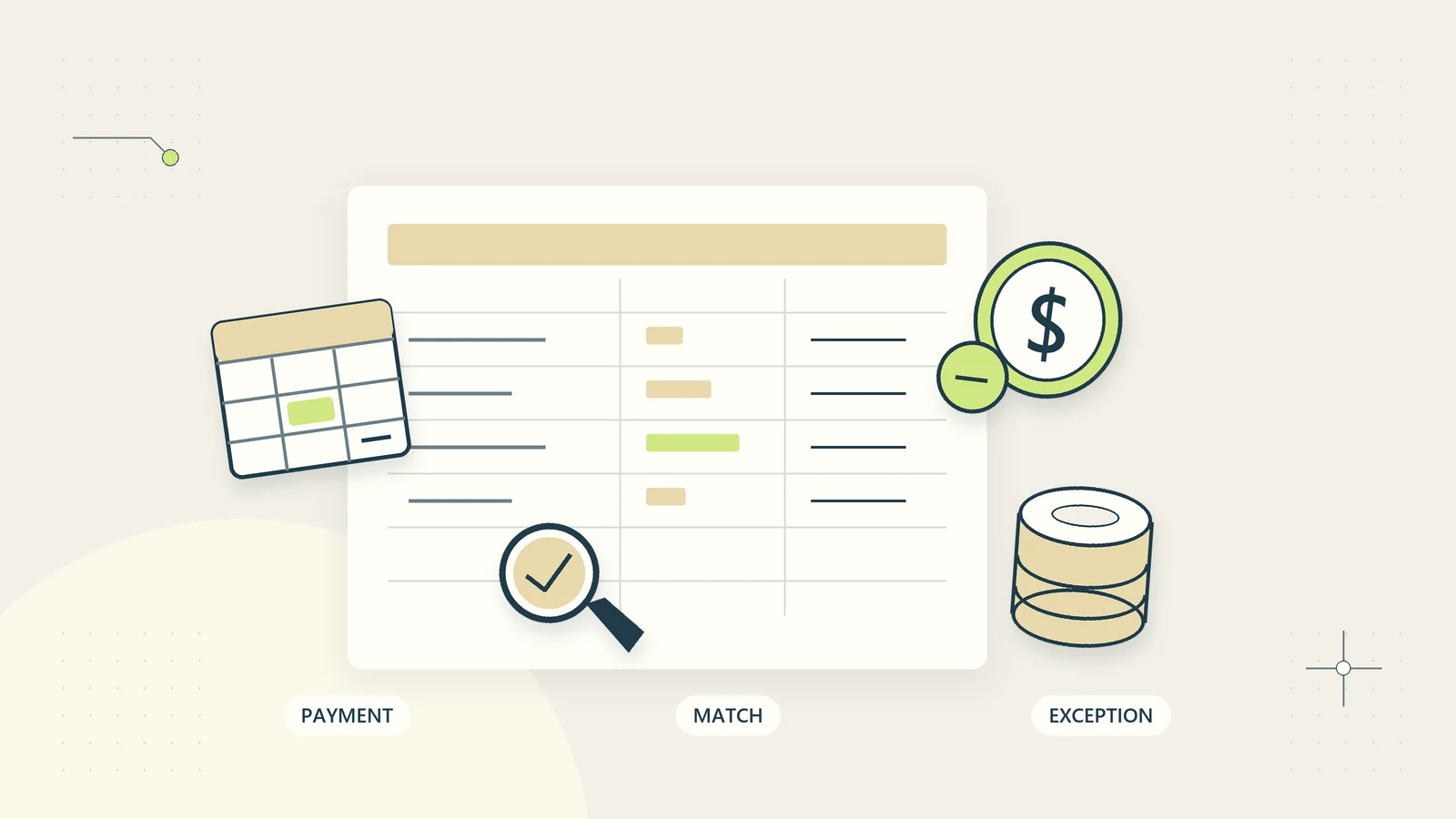
Payment reconciliation connects three stories about the same money: what a customer or supplier transaction was supposed to represent, what a payment provider recorded, and what actually appeared in the bank. Operational teams help by supplying the missing references and explaining exceptions. The bookkeeper remains responsible for the accounting treatment and final review.
A business can receive a bank deposit without knowing which invoices it settles. It can also have a successful customer payment that has not yet reached the bank. Treating either event as the whole process creates confusing balances and unreliable customer messages.
This guide builds an administrative reconciliation routine that works with a modest volume of payments. It does not require buying a particular application. Use your existing records, provider exports, and a controlled exception queue, with an accountant defining the appropriate accounting entries and review requirements.
Map the records before comparing totals
List each system that records part of the payment journey. Typical sources include an order or invoice register, a payment provider activity report, a payout report, bank transactions, refund records, and the accounting ledger. Record who can supply each source and the latest complete period available.
The identifiers differ. An invoice number identifies a billing document. A provider payment identifier identifies a payment event. A payout identifier identifies a settlement batch. A bank reference identifies a bank entry. One payout can contain many payments, refunds, and fees.
Keep these identifiers in separate fields. Trying to replace them all with the customer name makes matching harder when names are abbreviated or several customers share similar names. A good record preserves both the original identifiers and the links established during review.
Distinguish customer payment from bank settlement
Write down exactly what each status means. Authorized, captured, pending, failed, refunded, and settled may have provider-specific definitions. Verify those definitions in the reports you actually use. A customer-facing “payment received” message and an internal “payout received” status describe different events.
A bank deposit is usually evidence of settlement into that bank account, not proof that every underlying customer invoice has been matched correctly. A refund request is not proof that the provider completed the refund. Keep the record tied to the authoritative event for the question being answered.
Xero’s bank reconciliation overview describes matching bank activity with records and reviewing differences. The operational approach here extends that comparison upstream so the evidence behind each match is available. It does not assume any particular product feature or subscription.
Choose a reconciliation period and a cutoff
Agree which dates are being reconciled and what “complete” means for each source. Bank posting dates, provider event dates, customer invoice dates, and payout dates can differ. Specify the time zone when an export spans midnight or includes international sales.
Record the export time and filters used. An activity report downloaded on Monday may not contain the same final statuses as a later download covering the same calendar dates. Keep an identifiable source snapshot for the review, subject to your records policy.
For high-volume activity, divide the work into daily or weekly batches and perform a period-end review. Low-volume businesses may use a different rhythm. Choose the frequency from transaction volume, settlement timing, and the risk of unresolved items rather than a universal rule.
Connect the routine to your month-end close checklist so finance knows which reconciliations are ready and which exceptions remain open.
Build a matching hierarchy
Start with strong identifiers, then use supporting details. A payment identifier linked to an invoice or order is stronger than a similar date and amount. If a customer pays several invoices together, create a reviewed allocation rather than forcing the entire bank amount onto one document.
| Matching situation | Evidence to compare | Review question |
|---|---|---|
| One payment for one invoice | Invoice ID, payment ID, currency, amount | Is this the intended invoice? |
| One payment for several invoices | Remittance detail and invoice balances | How should the total be allocated? |
| Partial payment | Payment amount and remaining balance | What remains outstanding? |
| Provider payout | Batch detail and bank deposit | Which events explain the net settlement? |
| Unidentified receipt | Bank reference and customer evidence | Who sent it and for what purpose? |
Do not silently match an unidentified receipt to the oldest unpaid invoice. Keep it visible as an exception until someone with appropriate authority establishes the link.
Reconcile the provider batch to the bank
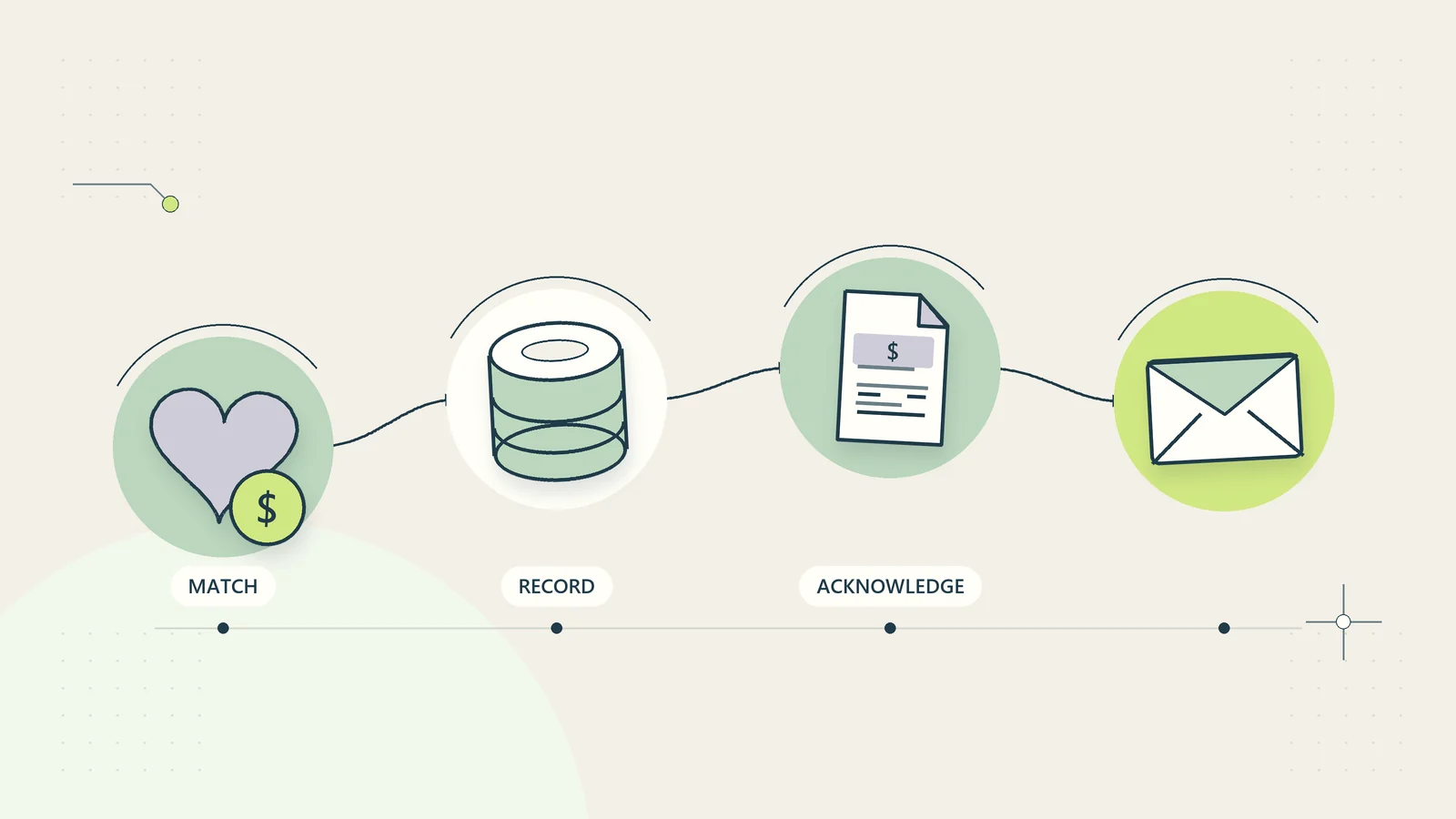
Provider settlement often arrives as a net amount after activity within the batch. Obtain the report that explains its composition. Retain the payout reference, underlying transaction references, currency, fees, refunds, adjustments, and any other items shown by that provider.
The Xero developer guide on payment processor receipts illustrates the use of a clearing-account approach to separate processor activity and fees. Your accountant should determine the entries for your setup; an operations worksheet should not invent accounting adjustments to make totals agree.
Compare the reported payout to the bank entry. A difference may be a timing issue, currency conversion, a fee recorded elsewhere, or incomplete data. Record the explanation and supporting reference. If the explanation is uncertain, mark it unresolved rather than putting the difference into a miscellaneous category.
Use a hypothetical settlement bridge
Suppose a provider report shows customer payments totaling 5,000 currency units, completed refunds of 300, and fees of 120, with no other adjustments in this illustrative batch. The expected net payout is 4,580. The bank shows a deposit of 4,580 with the corresponding payout reference.
That establishes the batch-to-bank bridge. It does not establish which invoices the 5,000 of payments settled. The team still needs to connect the underlying payment identifiers to the relevant orders or invoices, and the bookkeeper needs the appropriate fee and refund records.
If the bank instead shows 4,550, the unexplained difference is 30. The reviewer should investigate the provider’s complete batch detail and timing before proposing a cause. “Probably another fee” is a hypothesis, not a reconciliation.
Keep the arithmetic visible. A later reviewer should be able to reproduce the bridge from the source data without relying on an undocumented spreadsheet formula or someone’s memory.
Create an exception queue with specific next actions
An exception record needs a type, amount and currency, source references, owner, next action, due review date, and evidence link. Useful types include unmatched payment, missing payout, duplicate import, partial payment, refund mismatch, and currency difference.
“Investigate payment” is too broad. “Ask the account owner for the customer’s remittance allocation covering invoices INV-210 and INV-214” tells the next person what information is missing. When ownership changes, preserve the earlier action and its result.
Prioritize by consequence as well as age. A small unidentified receipt can cause repeated customer chasing. A large missing payout may affect cash planning. A duplicate import can distort a whole period. Each deserves a route that matches the actual risk.
Show open and resolved items separately, but keep the link between them. Resolution should state what changed and who accepted the explanation. Closing an exception because the month ended does not resolve it.
Handle refunds, disputes, and reversals explicitly
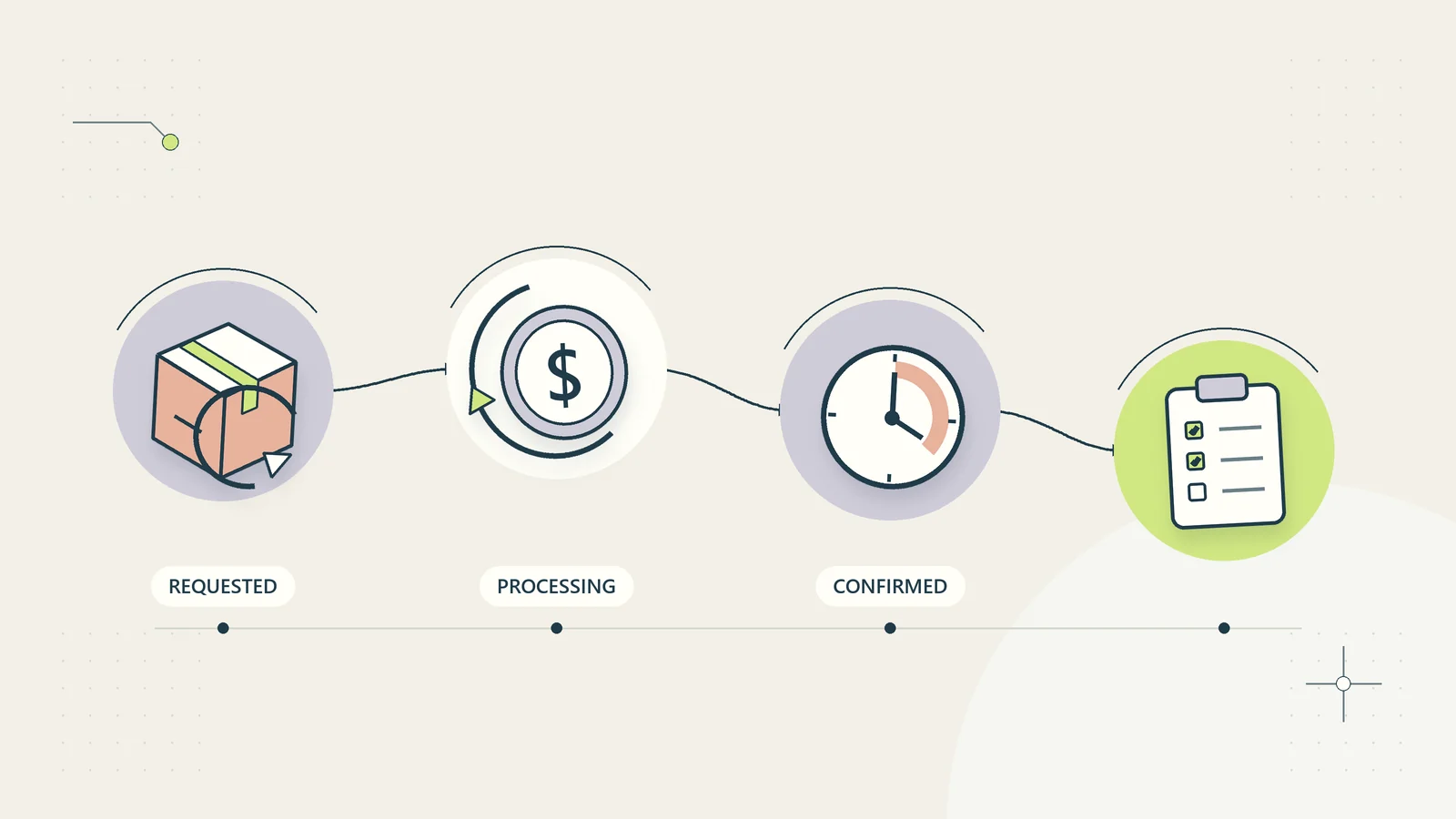
Link a refund to its original payment and the relevant customer resolution record. Track requested, approved, submitted, completed, and failed states where those distinctions exist. If a refund fails, the customer should not receive a message claiming the funds have been returned.
A payment dispute can create a separate provider process and deadline. Route it to a named owner promptly and retain the provider’s reference and required action. Do not treat a dispute as an ordinary refund or send an unreviewed admission to the customer.
Reversals and later adjustments should preserve history. A payment previously matched to an invoice may later be reversed. The operational record needs to reopen the relevant question rather than keeping a permanent “paid” label that no longer reflects the evidence.
For customer conversations, use the billing dispute process to coordinate the issue. The reconciliation queue explains the money movement; the customer case explains the commercial resolution.
Prevent duplicate imports and duplicate actions
Keep an import register with source account, period, export reference, file identity, and import time. If the same file is received twice, check whether it is a repeated copy or an updated report before importing it. A changed filename alone does not prove the data is new.
Stable provider identifiers can help detect repeated records. Review combinations carefully when a provider uses separate identifiers for a payment and a later refund. Those are related events, not necessarily duplicates.
Automated ingestion should be safe to retry. A timeout after processing may leave the caller uncertain even though the records were created. The next attempt should check existing event identities instead of inserting the entire batch again.
Keep payment execution separate from matching. Fixing an unmatched accounting record should not accidentally trigger a new customer charge, refund, or supplier payment. The purpose of reconciliation is to explain existing activity and route decisions, not to move money implicitly.
Agree who can correct which records
Operations staff can often supply an order reference, delivery evidence, or customer allocation. The bookkeeper can decide the recording treatment and identify ledger corrections. The business owner can authorize commercial decisions within the business’s policy. Payment-account access should reflect those responsibilities.
Write a brief correction record: original value, corrected value, reason, supporting evidence, person, and time. Preserve the relationship to the original transaction. Deleting a confusing record may make a dashboard look cleaner while making the audit trail worse.
Restrict financial exports to people who need them and avoid sharing complete bank statements when a limited transaction reference would resolve the question. Use secure access rather than putting sensitive files into a general chat channel.
The business audit trail guide provides a broader way to document changes without collecting unnecessary copies of financial data.
Close a period with a reviewable summary
The reconciliation summary should state accounts covered, period, source completeness, opening and closing references where relevant, totals checked, and unresolved exceptions. Name the preparer and reviewer. Include the date of the latest source information.
Separate reconciled items from known timing items and unexplained differences. Timing explanations need evidence and an expected clearing event. A payment that is merely old is not automatically a timing difference.
If an exception is carried forward, give it a next review date and owner. Link it to the next period so it does not disappear into an archived workbook. Repeatedly carried items deserve escalation and a clearer investigation plan.
Use the summary as a handoff to the bookkeeper. It should allow them to assess what is complete, ask focused questions, and decide the accounting treatment without retracing every operational message.
Pilot the routine with one payment stream
Start with one provider or one bank account and a defined period. Test ordinary payments, a partial payment, a refund, a batch payout, and a deliberately repeated source file using safe records. Confirm that the process identifies each situation correctly without creating money-moving actions.
Measure the share of transactions matched with strong references, the number and age of unexplained items, time spent gathering missing evidence, and corrections after review. Count unresolved value by currency rather than adding unrelated currencies together.
Review exceptions for root causes. If customers consistently omit invoice references, improve payment instructions. If payout reports arrive late, adjust the source handoff. If duplicate files cause trouble, strengthen the import register. The most useful improvement removes uncertainty at its source and leaves finance with a reproducible explanation.
Test source completeness before declaring a successful match
A perfectly balanced subset can still omit an entire account or settlement batch. Maintain a source checklist showing expected accounts, providers, periods, and report types. For each source, record who confirmed availability and whether it is complete through the agreed cutoff.
For an illustrative completeness test, suppose the business expects four weekly payout reports. Three arrive and each reconciles cleanly. The correct summary is three received and reconciled, one missing. Reporting the month as fully reconciled because every received report matched would conceal the missing source.
Inspect sequences or other available report controls where they are meaningful. A gap in a payout sequence may deserve investigation, but providers do not all number events consecutively. Use the actual provider’s report definitions rather than assuming that every apparent gap represents missing money.
Keep a separate “not yet available” status for reports delayed by their normal settlement cycle. Include the expected availability date and follow-up owner. That preserves the distinction between a known delay and an unexplained omission.
The reviewer should also be able to reproduce a small sample of matches from source records. Select an ordinary payment, a batch settlement, and an exception. Confirm that the references lead to the actual documents and that any allocation adds back to the original total. This checks the quality of the explanation, not just the final arithmetic.
Document the result in the reconciliation summary. A short note about sources covered, missing evidence, and sampled matches gives the bookkeeper a stronger basis for review than a green status produced by an automated import alone.
When a source changes format, compare a small new export with the previous layout before using it. A renamed column or altered date convention can move information into the wrong field while leaving the import apparently successful. Require a reviewed mapping change before resuming the ordinary batch.
Sources and editorial method
Checked on October 15, 2026. Xero’s bank reconciliation overview was consulted for matching and review context. Its payment processor receipts guide supports the distinction between processor activity, settlement, and fees. The matching hierarchy, exception design, and hypothetical arithmetic are original operational guidance. Accounting entries, payment-provider definitions, and local requirements need review for the actual business; no connected integration or financial result is claimed.