Track ecommerce refunds through provider confirmation
Track refund approval, submission, pending states, failures, and provider confirmation with duplicate protection and clear customer updates.
An ecommerce refund is not complete simply because someone clicked a refund button or told a customer the request was approved. The business needs to know which payment was affected, what was submitted, what the payment provider confirmed, and what the customer has been told. A refund-tracking process connects those events without confusing an internal decision with money received.
This guide focuses on administrative coordination for small retailers. It can begin with a restricted refund register linked to source order and payment records. It does not require a separate refund application, authorize an automated agent to move money, or replace applicable consumer obligations and the rules of the payment method involved.
Separate approval, submission, processing, and receipt
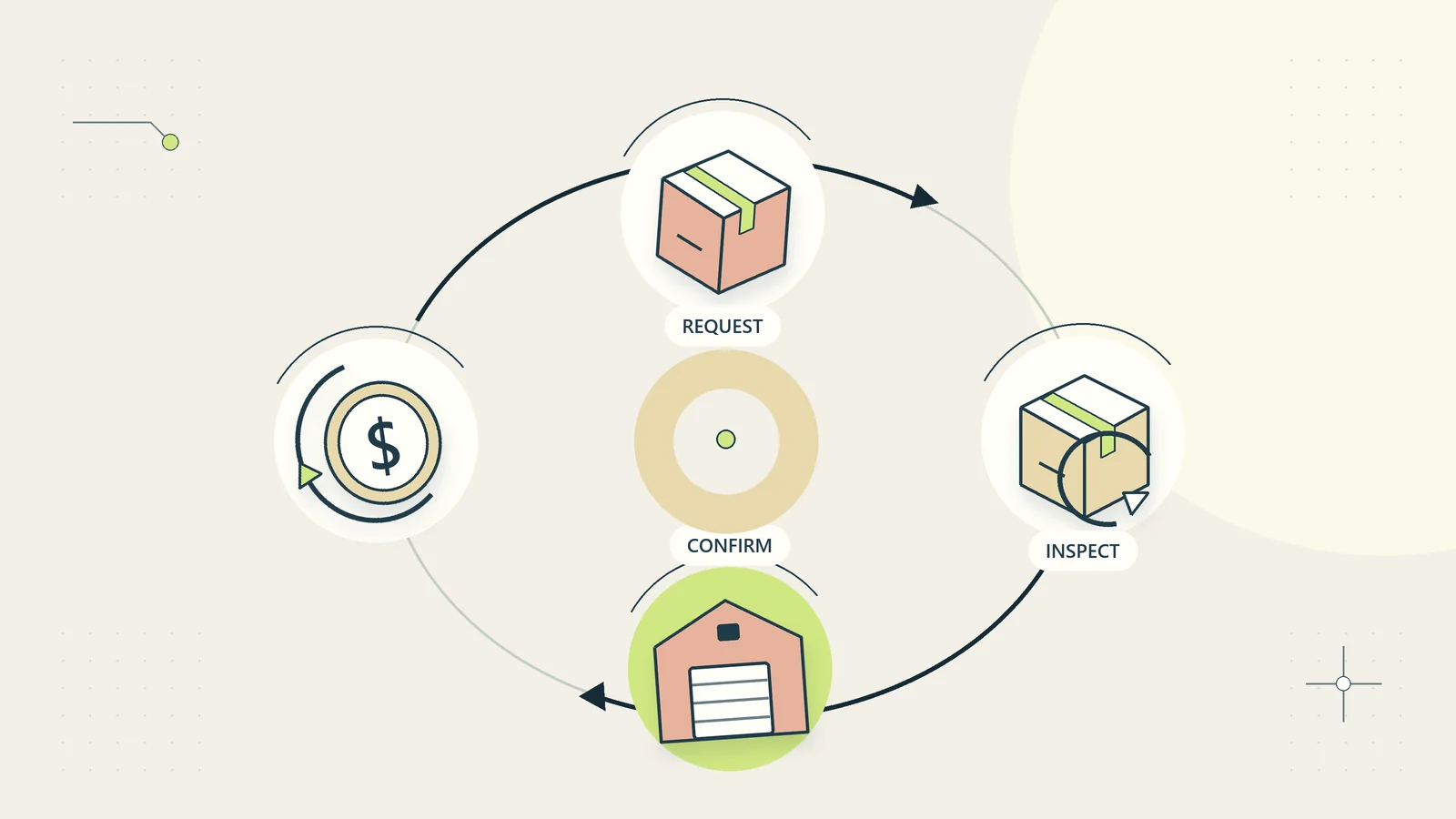
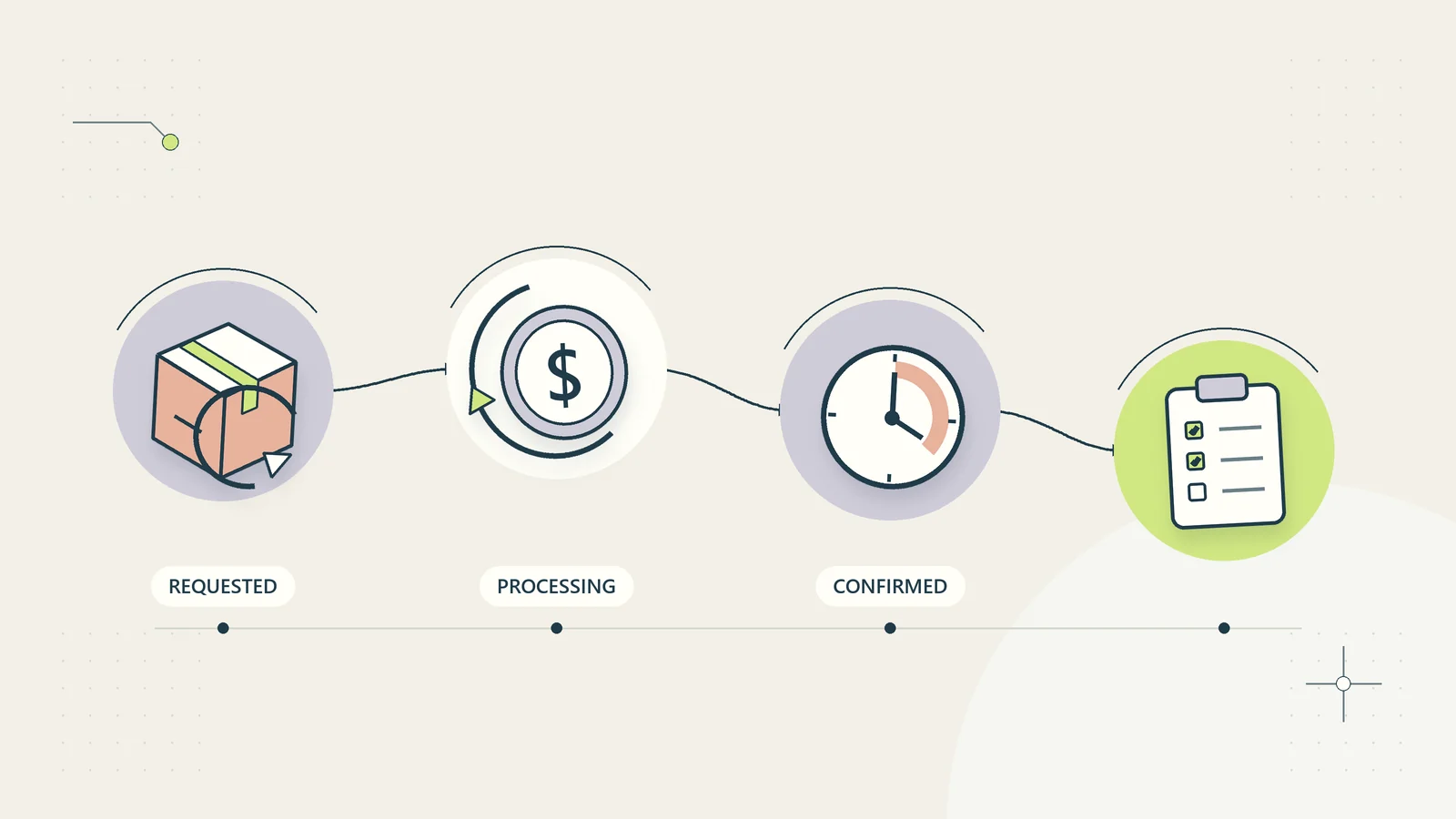
Define the stages in language your team can explain. Approval records the business decision and authorized amount. Submission records the request sent to the provider. Processing or failure reflects the provider’s reported state. The customer’s bank or payment account may show funds on a different schedule.
Shopify’s refund troubleshooting guide distinguishes failed, pending, and processed refunds and explains that the customer’s bank can affect when money appears. Check the current documentation for the actual provider and payment method instead of promising one universal refund timeframe.
Keep those stages separate in customer messages. “We approved your refund” does not establish submission. “The provider reports it processed” does not prove the customer has already seen the credit. Clear distinctions reduce contradictory updates and unnecessary repeated refund attempts.
Link each refund to the original transaction
Record the commerce order ID, relevant payment transaction, refund reference, currency, amount, affected order lines where applicable, and approval reference. Some orders involve multiple payments, gift balances, or partial captures. A single order total may not identify the payment that can be refunded.
Preserve the original currency and transaction references. If the customer asks about a different amount on their statement, do not guess that a conversion or fee explains it. Refer the question through the appropriate provider and finance route with the available evidence.
Avoid using customer names or email addresses as the only matching key. Those can locate a conversation but do not establish which payment or refund is involved. Protect the underlying records and show only the minimum detail needed in an internal coordination view.
Build a refund register with one current owner
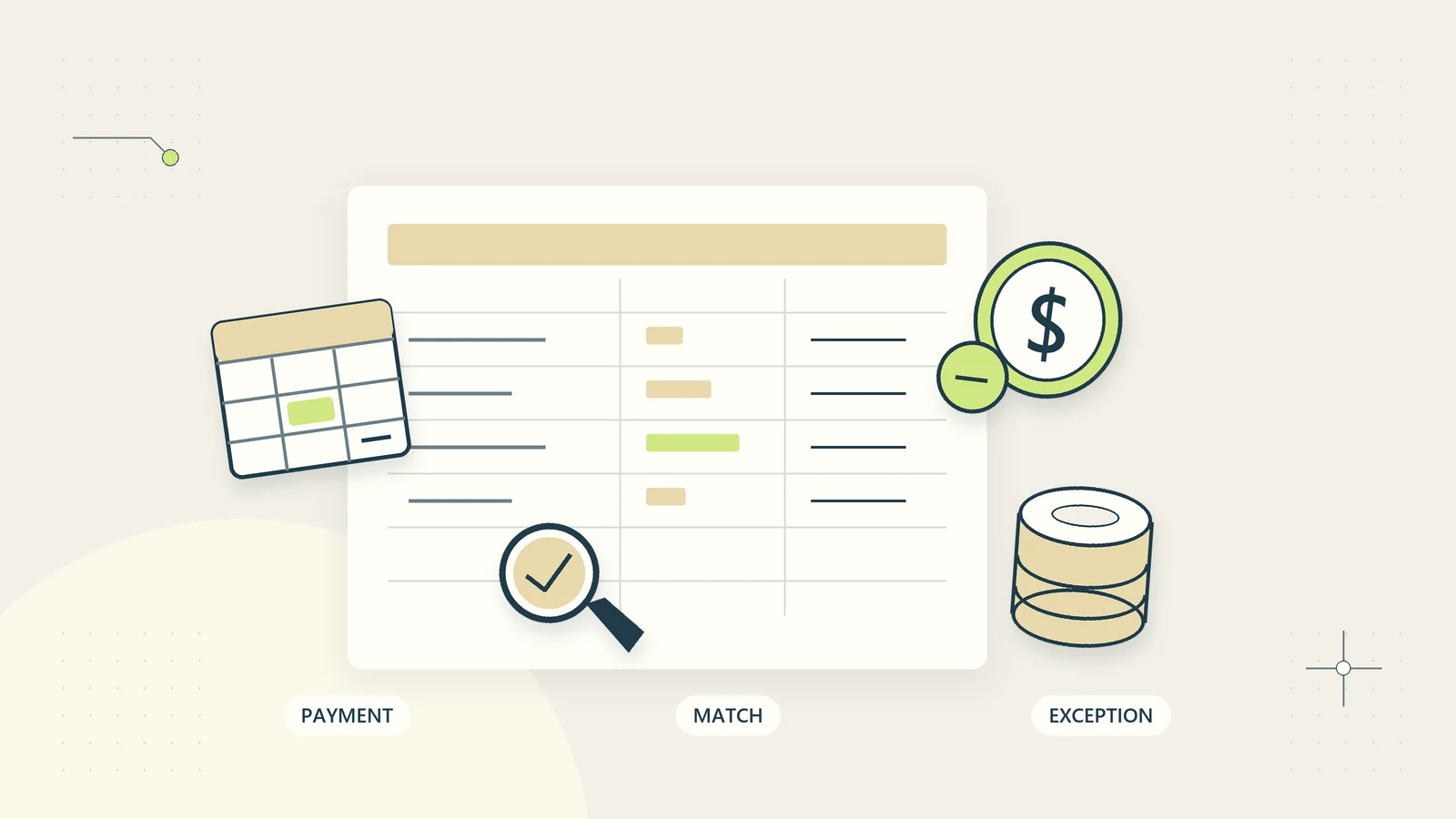
The register should show the business decision, actual provider state, next action, and customer communication. It should not become a place where staff manually invent payment states that conflict with the provider.
| Field | What it establishes |
|---|---|
| Refund case reference | Connects decisions, actions, and messages |
| Order and payment references | Identifies the transaction being changed |
| Authorized amount and currency | Defines the approved action |
| Reason and evidence reference | Explains the business decision |
| Submission and provider refund ID | Shows the request that actually occurred |
| Verified provider status and time | Separates current evidence from old observations |
| Owner and next check | Keeps pending or failed cases moving |
| Customer update reference | Shows what was communicated |
| Final outcome and linked exceptions | Explains closure and continuing work |
Restrict access to financial and customer information. An operational dashboard can show counts and overdue cases without exposing every customer’s private transaction history.
Verify authority before submitting a refund
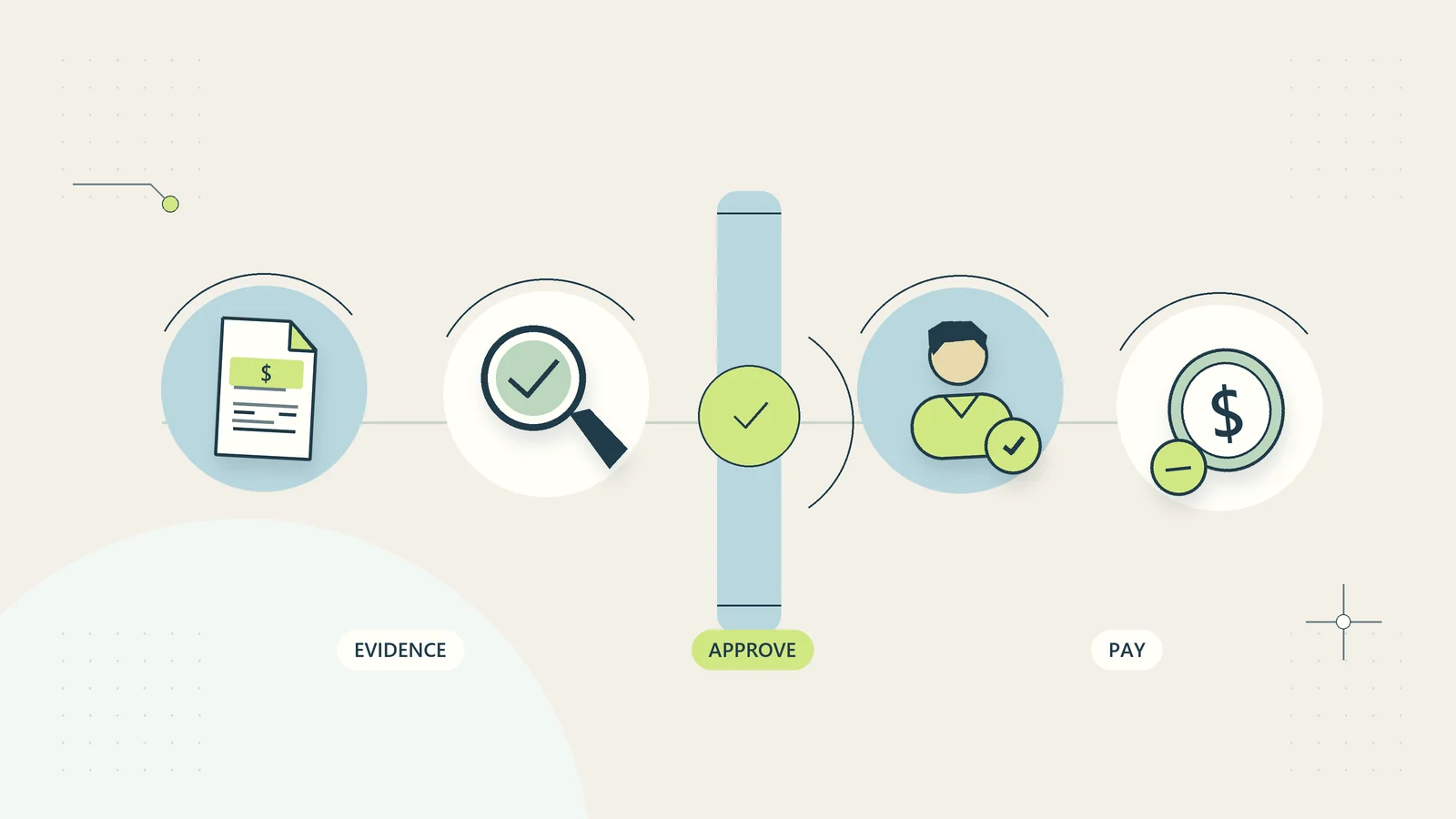
Define who may approve refunds and who may execute them, with limits appropriate to the business. The same person may handle both roles in a very small operation, but the decision and execution should remain recorded separately.
Before acting, confirm the current order and payment state, the approved amount, previous refunds, any relevant dispute, and whether another person is already handling the request. The invoice and payment approval principles offer a broader example of keeping evidence and authority connected.
Do not let a support label such as “customer unhappy” authorize a refund automatically. A label can route a case for review, while the actual financial action needs a defined decision rule and current evidence. Preserve legitimate customer rights while avoiding improvised or duplicated actions.
Distinguish a return from a refund
A return concerns goods moving back or another agreed product resolution. A refund concerns the payment. The two can be linked, but neither automatically proves the other is complete. A return parcel may be in transit while a refund follows a separate authorized timetable.
Use the ecommerce returns process to define inspection and disposition records where relevant. Do not assume that recording returned inventory authorizes a financial action, or that submitting a refund means the warehouse has received and inspected the goods.
For cases without a physical return, record the reason and approved outcome. Digital goods, cancelled unfulfilled items, and other situations may have different operating paths. The workflow should describe the actual transaction rather than forcing every refund through a fictitious parcel receipt.
Check partial refunds at the line and transaction level
For a partial refund, identify what the approved amount includes. Product quantity, delivery charges, discounts, taxes, and other elements may need treatment under the applicable transaction rules and professional advice. An administrative process should preserve those decisions rather than guessing them from a percentage.
Review previous partial refunds before submitting another. A refund register must distinguish the current request from the remaining refundable amount reported by the source payment system. The original order total is not a safe basis for repeated independent actions.
Shopify’s refunding orders documentation describes platform refund workflows, including partial refunds. Treat provider documentation as implementation-specific guidance and verify the actual transaction before acting. A generic checklist cannot establish that every payment method supports the same operation.
Protect against duplicate actions and uncertain responses
A slow or interrupted request creates uncertainty. Do not interpret a timeout as proof that no refund happened. Check the provider using the original action reference before trying again, and preserve the investigation in the case record.
For manual work, use a visible execution owner and a current in-progress state. For an automated implementation, use stable action identities, duplicate protection, and a verified result from the provider. Retrying the same intended action should not create a new independent refund merely because a notification was delivered twice.
Test these behaviours with harmless examples in an appropriate non-production environment before enabling financial actions. Include delayed responses, repeated events, failed status checks, and two operators attempting the same case. Do not claim a workflow is tested simply because a refund form can be opened.
Give pending refunds a specific next check
Pending is a state with work attached, not a reason to stop monitoring. Record when the provider reported it, which documentation applies, and when the next review should happen. Use the provider’s current guidance for escalation rather than a number copied from another payment method.
At the review, check the current provider state and any failure explanation. Record the observation time. If the refund remains pending beyond the expected condition or timeframe, route the case to the authorized finance owner with the relevant references and evidence.
Do not issue another refund solely because the customer cannot yet see the first one. That may produce a duplicate payment while leaving the original uncertainty unresolved. Explain what is verified and what the business is checking, with an appropriate next update commitment.
Treat failures as investigation cases
A failed refund needs an explanation and an authorized next decision. Capture the provider’s error or failure reason, the transaction and refund references, and the time observed. Avoid simplifying every failure to “bank problem” when the cause has not been established.
Check whether another dispute or payment event affects the original transaction. Keep any proposed alternative resolution within the business’s authority and the applicable rules. Do not ask a customer to post sensitive financial details into a public contact thread to make a manual workaround easier.
If an alternative payment route is approved, connect it to the original failed case and verify that the first refund cannot later create an unintended duplicate outcome. The exact controls depend on the provider and transaction. Escalate uncertainty instead of treating a new transfer as a convenient substitute for understanding the original refund.
Work through a hypothetical split refund case
Imagine a customer returning one item from an order containing three products. The authorized reviewer approves a specific partial refund and records the affected item and amount. Finance checks prior refunds and the current payment state, then submits the approved request and stores its provider reference.
The provider reports the refund as pending. Support tells the customer that the request has been submitted and is processing, using the applicable provider guidance for the next update. A second support colleague receives another message from the customer but sees the existing case and does not start another refund.
At the next check, the provider reports processing complete. The record captures that status and the customer receives an accurate update. If the customer still cannot locate the credit, the case follows a trace or support route with an available reference rather than assuming another refund is needed. This hypothetical example illustrates state and ownership controls, not a guaranteed processing time or measured result.
Reconcile refunds with order and finance records
Compare the refund register with provider records and the commerce order. Check amounts, currencies, statuses, and references. Look for provider refunds missing from the register, register entries without a real submission, and orders whose displayed state conflicts with confirmed payment activity.
Refunds can also affect settlement deposits and the information supplied to the bookkeeper. Keep those relationships intact so a smaller payout is not automatically treated as a sales shortfall or unexplained bank difference. The payment reconciliation process explains this wider chain.
Do not make an accounting entry solely because support marked a case closed. The responsible finance professional needs the actual transaction evidence and applicable treatment. Administrative closure and financial reporting should connect through verified records, not through an optimistic status label.
Write customer updates from verified events
Prepare separate message patterns for approved but not submitted, submitted and pending, processed according to the provider, failed and under investigation, and awaiting information. Each pattern should identify which facts must be present before it can be used.
Avoid guaranteeing when a credit will appear unless the business has a justified basis for that exact claim. State whose information supports the estimate and what the customer should do if the expected condition is not met. Keep the customer’s next step practical and limited.
Coordinate with the ecommerce support handoff process so support uses the current finance observation. An internal note is not a sent message, and a draft should not be counted as a completed customer update. Record communication failures with a recovery owner.
Define closure and reopening conditions
Choose a closure definition appropriate to the case and provider. It might require verified provider processing, a reconciled order state, and the agreed customer update. A failed case may close only after its authorized alternative outcome is evidenced and linked.
Keep a route for customers who report a continuing problem after closure. Reopening should preserve the earlier history and identify the new question. It should not erase the original action or automatically authorize another payment.
Retain records under an appropriate business retention policy reflecting applicable requirements. Separate operational access needs from long-term recordkeeping. A closed case may remain relevant to reconciliation, a dispute, or a later question, while broad staff access to its personal information may no longer be necessary.
Pilot tracking before expanding automation
Start with a limited set of refund cases and track whether every one has an approval, correct transaction reference, provider result, current owner, and communication record. Measure pending age, failed cases awaiting action, duplicate attempts prevented, reconciliation differences, and reopened cases.
Review a few cases end to end with an authorized colleague. They should be able to explain the approved decision, what actually happened at the provider, what remains uncertain, and what the customer knows. If the history depends on someone’s memory, repair the missing connection.
Automate low-consequence coordination first, such as reminders and grouping related events. Consequential financial actions require separate implementation controls and verification. A dependable refund process gives the business an accurate state and a clear recovery route even when an ordinary request does not proceed as expected.
Sources and editorial method
Checked October 15, 2026. Primary references: Shopify: troubleshooting refunds and Shopify: refunding orders. The register, control sequence, and partial-refund scenario are original operational guidance. Provider states and supported actions vary; no universal processing time, financial advice, or tested integration is claimed.