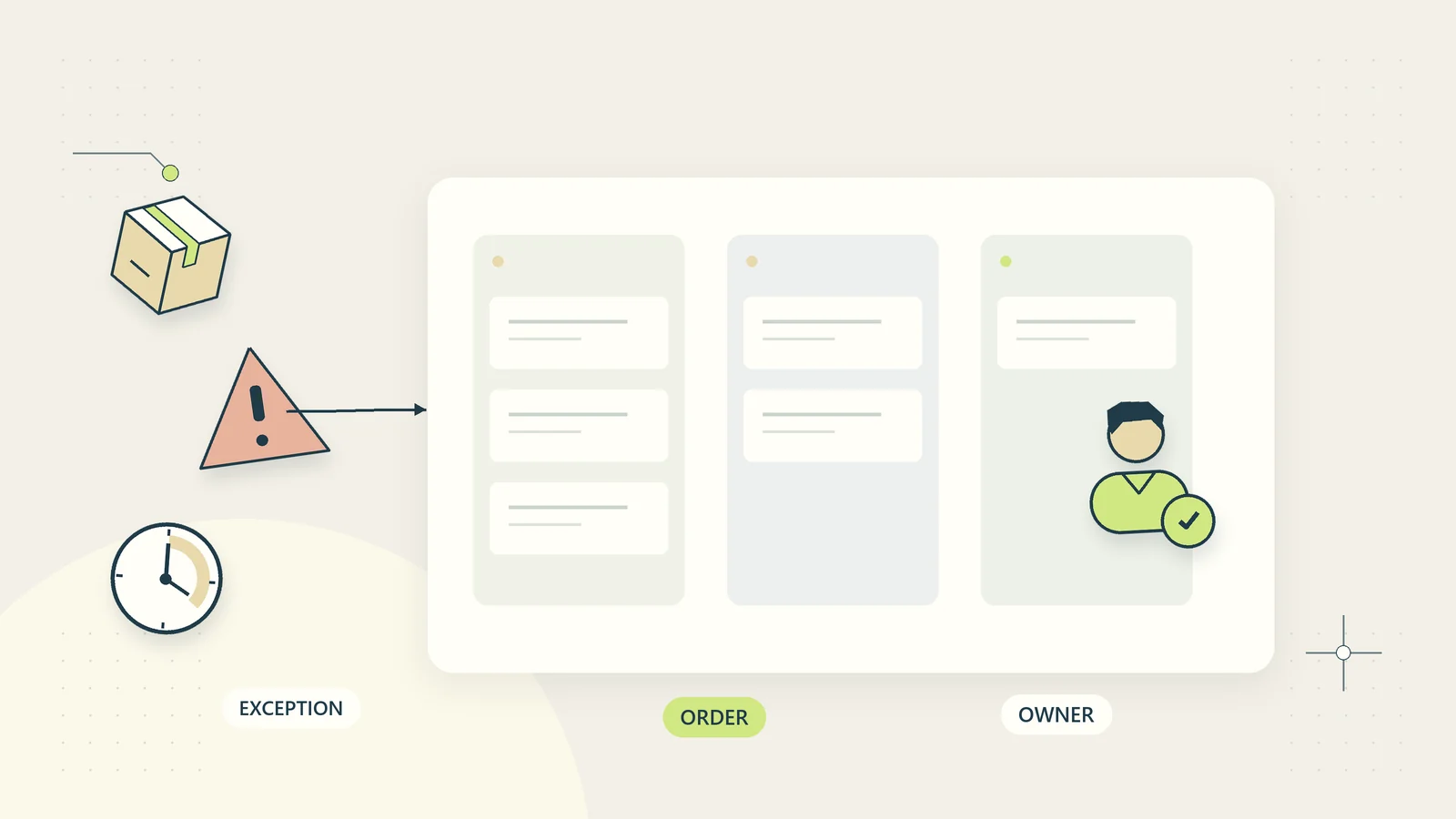
An ecommerce product launch operations checklist
Use evidence gates to check product data, stock, checkout, packing, messages, and exceptions before releasing a new ecommerce product to customers.
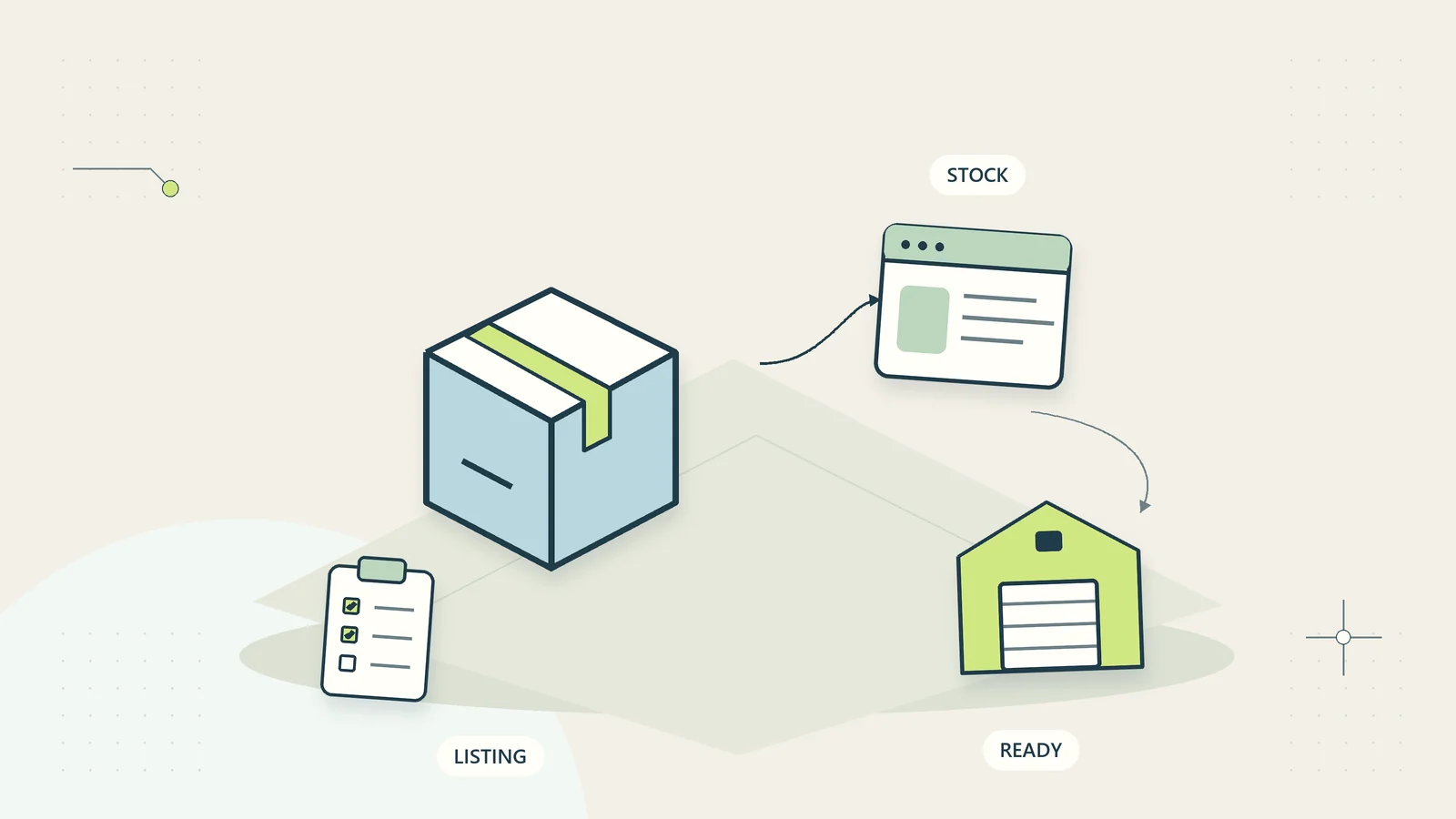
A product launch is an operations change as well as a marketing event. The business is about to accept new commitments involving product information, stock, payments, delivery, customer questions, and possibly returns. A polished campaign can expose weak handoffs very quickly if those commitments are not ready.
The most useful launch checklist is a set of evidence gates. Each gate names an owner, a condition that must be true, and a way to verify it. This guide develops a practical checklist for a small ecommerce business launching a physical product. Adapt the operating details for your market and product category; the hypothetical examples are planning illustrations rather than results from a real retailer.
Define the smallest credible launch
Write down what is actually being released. Identify the product, variants, countries served, sales channels, stock allocation, shipping arrangements, and support coverage. Exclude countries or variants that are not operationally ready rather than assuming that a global website must immediately sell everywhere.
Set a bounded launch quantity or initial sales period. This gives the team a chance to observe actual order behavior before taking unlimited demand. Define who can pause sales and what events justify a pause, such as incorrect prices, oversold stock, or an unresolved fulfillment problem.
Keep the launch goal separate from the readiness decision. A revenue target may guide marketing, but it does not prove that customers can receive what they buy. A readiness record should state which commitments the business is prepared to fulfill even if demand exceeds expectations or early sales arrive slowly.
Turn the checklist into an evidence register
Use one row per launch condition. Include the condition, owner, reviewer where needed, evidence link, result, and unresolved limitation. A checked box without evidence often means only that someone remembers doing a task.
For example, “shipping ready” is too broad. A stronger condition is “a sample order for the heaviest supported package shows the correct shipping method and reaches the packing queue with its selected variant.” Evidence could be a test record and a written observation, with private details removed from widely shared copies.
Shopify’s store launch checklist includes checkout, fulfillment, content, and email checks. Its website checklist also emphasizes reviewing the live customer path. The gates below organize that general context into an original operational release method; they do not require a Shopify account.
Gate one: product identity and information
Confirm that each variant has a stable internal identity. Check the visible name, SKU, description, images, dimensions, included items, compatibility details, and any limitations that affect the purchase decision. A customer should not have to infer which image matches a selected option.
Review claims against evidence. Do not publish a performance, sustainability, health, or safety claim simply because it appeared in a supplier spreadsheet. Product categories and markets can require specialist review, labeling, or documentation. Route those questions to the person qualified to decide them.
Use the product data quality checklist for a deeper field-level review. In the launch register, record the version approved for release and who can change it. A late copy edit that changes a material promise deserves another check, not an automatic pass because the page was reviewed last week.
Gate two: physical stock and allocation
Verify the stock available for the launch at the location that will actually fulfill orders. Subtract existing reservations, damaged or quarantined units, and stock committed to another channel. Do not treat goods expected tomorrow as equivalent to goods counted and released today.
Test how a purchase affects the remaining allocation. If website sales and a retail counter share inventory, check the combined behavior. For bundles, identify whether one missing component prevents the bundle being sold. A bundle quantity entered manually can drift away from its component stock.
Define what happens at zero availability. The customer might see a sold-out state or an interest list. A preorder is a separate offer that needs its own operational controls. Follow the preorder planning guide before replacing an unavailable item with a promise of future supply.
Gate three: price, checkout, and payment evidence
Check each supported currency, discount condition, shipping charge, and tax treatment through the proper review process for the markets served. Verify that displayed amounts match the actual checkout result. A product page price and a final order total answer different questions and both need review.
Use designated payment test methods to exercise successful and unsuccessful outcomes. Confirm that a failed or abandoned payment does not create the same fulfillment authority as a confirmed paid order. Where an order can be paid later, its release rules need to reflect that arrangement explicitly.
Record the limits of testing. A sandbox test can establish particular system behavior without proving that every live payment method is available or correctly configured. Complete the provider’s required activation checks, and use a supervised production verification only where appropriate and authorized. Never describe a theoretical payment flow as a completed test.
Gate four: packing and dispatch
Prepare a sample packing record for each materially different product or parcel. Check the selected variant, included accessories, packaging materials, label information, and handling instructions. Confirm that staff can identify an exception without improvising a replacement.
Walk the order from acceptance to dispatch using the actual records staff will see. The packing team should know which field establishes payment readiness and which action records dispatch. Creating a shipping label is not necessarily proof that the carrier has collected the parcel.
Check daily capacity as well as stock. If the team can safely prepare only a limited number of orders, set the public dispatch expectation accordingly. A launch can be controlled through a quantity cap, phased release, or an honest handling window. Avoid promising same-day dispatch because one sample order was quick to pack.
Gate five: customer messages and help
Read the actual confirmation, dispatch, cancellation, and refund messages. Check names, links, product details, reply routes, and the distinction between an accepted order and a shipped order. Ensure operational messages do not require an unrelated marketing subscription.
Prepare short help pages for the questions most likely to block a purchase or create a follow-up: what is included, how to choose a variant, where delivery is available, how to use the product, and how to request assistance. Each answer should have an owner and a reviewed source of truth.
The ecommerce self-service guide develops this structure. At launch, test whether a reader can find the right answer from the product page. A large FAQ is less useful than a small set of accurate answers placed near the decision that needs them.
Gate six: exceptions, returns, and recovery
Write a route for an order that cannot proceed normally. Include stock discrepancies, address questions, damaged goods, payment uncertainty, and duplicate orders. Each case needs a current owner, next action, and customer communication decision.
Check the published returns and cancellation information against your reviewed policy and applicable requirements. Operational staff need to know where a request enters and how a decision reaches finance and fulfillment. Do not let an automatically generated acknowledgement imply approval or a completed refund.
Keep a simple recovery path for failed delivery messages and unavailable account links. Customers should have a proportionate way to identify an order and ask for help. The business should not request sensitive payment data through a general contact form as a shortcut to finding the transaction.
Run a cross-functional rehearsal
Choose sample orders that represent distinct paths rather than repeating the easiest purchase. Include a normal item, a variant, a discount, an unsupported address, a failed payment, and a cancellation request. Add a stockout or bundle case where relevant.
Ask the next person in each handoff to explain what they received and what they can do. If support cannot distinguish packed from dispatched, fix the status definition. If finance cannot match a refund request to the original payment, fix the record linkage before launch.
Keep the rehearsal short enough to complete, but record defects with owners. An issue is not resolved because someone explained a workaround verbally. Update the instruction or configuration, repeat the affected scenario, and retain the result. Broader retesting is justified when the correction changes another part of the customer journey.
Use a hypothetical launch decision
Imagine a small outdoor accessories shop launching a new organizer in three colors. The warehouse has counted 75 units, but ten are reserved for an existing wholesale commitment. The business has 65 units available for website orders, with different quantities by color.
A rehearsal shows that the product page selects the correct variant, but the packing printout omits the color. The team treats that as a release blocker because staff could fulfill the wrong item. A separate review finds an outdated care instruction in the confirmation email. Both defects receive owners and a specific retest.
The shop opens only the supported delivery region and uses a conservative dispatch window based on its packing capacity. It records which conditions remain outside the release, such as international delivery. This example illustrates a bounded decision, not a claim that a limited launch guarantees commercial success.
Decide what blocks release and what can follow
Classify findings by their effect on a real customer commitment. Incorrect prices, unreliable stock limits, unverified product claims, and a broken paid-order handoff usually deserve a pause until corrected. A nonessential decorative improvement can often wait.
Do not hide unresolved risks in a long checklist. Summarize the outstanding issues, affected customer paths, and accountable decision maker. Record any accepted limitation in language another employee can understand. “Known issue” is not an adequate description when staff need to decide whether an order can be fulfilled.
Give the launch owner authority to pause the release within agreed limits. Avoid a situation where everyone can publish changes but nobody can stop orders. Also define how reopening is approved: the relevant defect should have evidence of correction, not merely a report that the problem seems to have stopped.
Watch the first orders as an operational cohort
After release, inspect a manageable group of initial orders end to end. Confirm that payments, stock reductions, packing details, customer messages, and dispatch records agree. Review exceptions separately so a majority of successful orders does not conceal a repeated failure affecting one variant or destination.
Track measures that answer specific questions: how many orders lack a next action, how many wait beyond the stated handling window, and which questions recur in support. Keep the denominator and observation period visible. A launch with ten orders cannot establish the same confidence as repeated performance across different conditions.
Use the ecommerce order exception queue to manage problems after launch. The release checklist should feed that ongoing process rather than becoming an abandoned document once the campaign begins.
Close the launch and maintain the operating standard
At the end of the initial release period, reconcile the allocation, fulfilled quantity, cancellations, refunds, and remaining exceptions. Identify whether the public product promise still matches the operation. Update help content where customers repeatedly misunderstood a detail.
Turn useful launch checks into ordinary routines. Variant identity checks may belong in every product update, while packing rehearsals may be needed only for materially different products. Remove checks that produced no useful evidence, but retain the decision behind that change.
The aim is a reusable release standard that a small team can carry out without heroic effort. A checklist has earned its place when it helps the next person verify readiness, spot a meaningful exception, and understand who can decide the response. It should support that work each time the business changes what it sells.
Put late changes through a small release check
The hours before launch often bring apparently minor changes: a revised bundle, an extra delivery country, a discount, or an updated image. Some are harmless, while others alter the very conditions that were tested. Give late changes a short review rather than assuming the earlier checklist covers them automatically.
Record what changed, which customer path it affects, who approved it, and which evidence needs refreshing. A new delivery country may require a fresh shipping and checkout review. A different bundle composition may change stock allocation and packing instructions. A photograph showing an accessory that is no longer included needs a product information check.
Allow the launch owner to defer a nonessential change when there is not enough time to verify it. This is a practical sequencing decision, not a rule that every edit needs a formal committee. The level of review should match the commitment being changed.
Keep the final release record dated and versioned. Staff should be able to see which offer was opened to customers and which enhancements were deliberately left for a later release. This also helps explain why a sample order from the rehearsal may differ from a purchase after a subsequent update.
Check that monitoring has an accountable response
A launch dashboard is useful only if someone can act on its findings. Name who checks the first orders, who receives payment or fulfillment exceptions, and who can pause an affected product. Confirm cover for the actual launch period rather than relying on an employee who has already finished work.
Give each alert a plain explanation and a route to the relevant record. If an alert cannot distinguish a paid order from a duplicate notification, staff need an investigation step before taking action. Treat monitoring as another handoff with evidence and authority, not an automatic guarantee that a problem will be fixed.
Sources and editorial method
Sources checked October 15, 2026: Shopify’s ecommerce launch checklist and website checklist. These official references support the need to review customer paths, fulfillment, messages, and checkout. The evidence gates, rehearsal, hypothetical shop, and release decisions are original editorial analysis. No platform partnership, tested implementation, regulatory approval, or sales outcome is implied.