Organize property maintenance requests from intake to follow-up
Organize property maintenance requests with clear reporting routes, location records, qualified triage, authorized work orders, and practical follow-up.

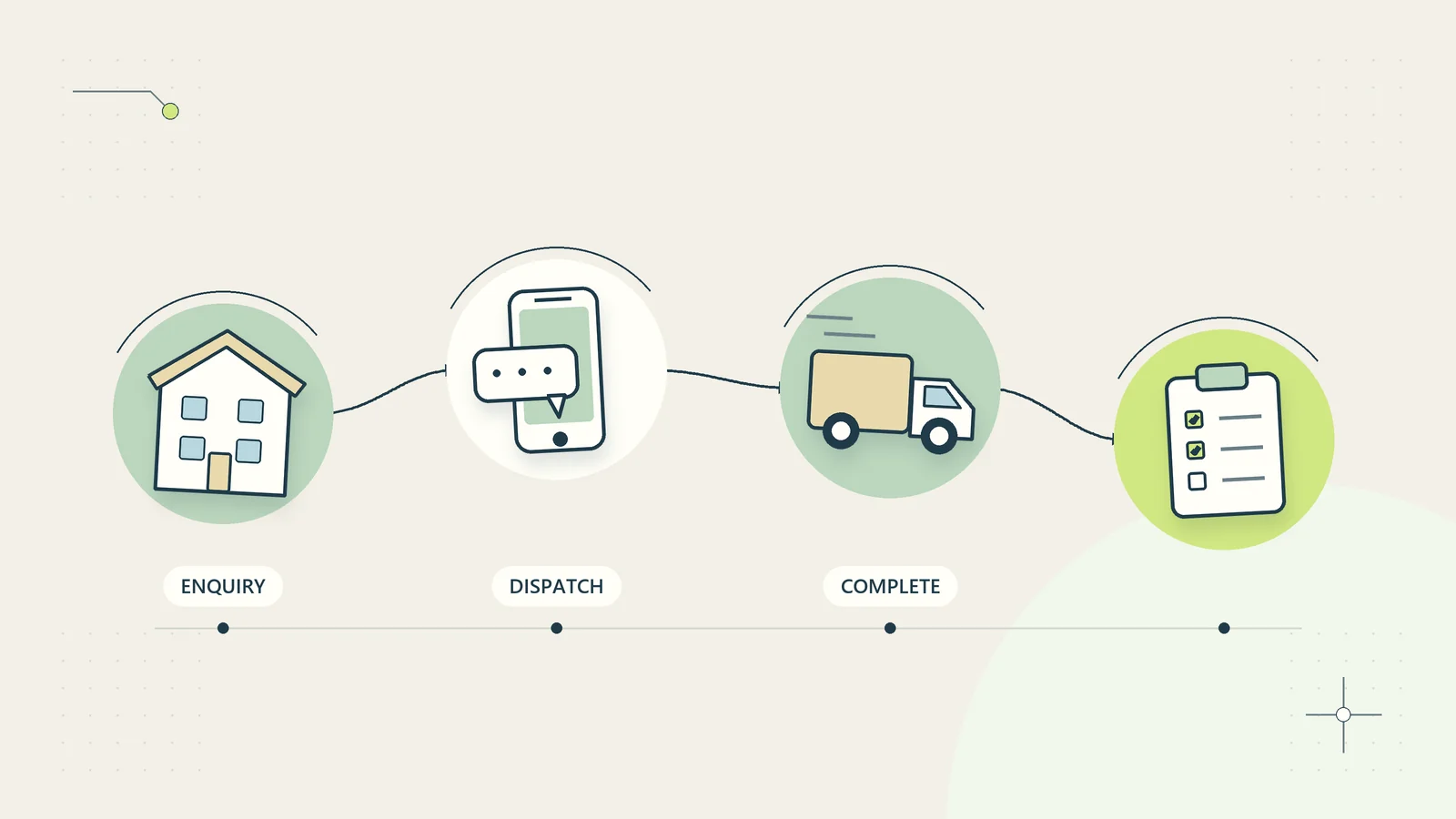
A property maintenance request often starts with incomplete information: a short message, a photograph without a location, or several reports about the same problem. The property manager then has to identify the affected place, assess urgency, arrange authorized work, coordinate access, and confirm what happened. A shared inbox alone does not make those steps visible.
A practical intake process gives each request a stable record and a route from report to follow-up. It should support qualified assessment and the applicable responsibilities for the property, without making an online form the only way to report an urgent problem. The framework below is administrative guidance for small property management teams; local tenancy, safety, accessibility, and emergency requirements need appropriate review.
Separate urgent reporting from ordinary administration
Before designing fields, establish the appropriate urgent and emergency routes for the properties you manage. Make those instructions prominent and locally accurate. A routine web form must not imply that it is monitored continuously if the team cannot provide that coverage.
Explain the difference between receiving a request and arranging a response. An automated acknowledgement can confirm receipt, but it should not promise that a condition is safe, that a contractor is on the way, or that an issue has been assessed.
Have the responsible property and safety professionals review the routing instructions and priorities. Do not ask residents to diagnose a hazard through a generic decision tree. The process should help staff recognize when a report needs immediate qualified attention, then route it through the established arrangement rather than keeping it in an ordinary queue.
Give the request and the work order different identities
A request records what someone reported. A work order authorizes or organizes a defined piece of work. One request may need several work orders, while several reports may describe the same underlying issue. Keeping the relationship explicit prevents duplicate visits and lost follow-up.
IBM’s work order management overview describes the progression from request through assignment, completion, and review. Its work order explanation identifies structured job information. These provide general operations context, not property-specific legal requirements or technical repair instructions.
Use a request identifier at first receipt. Add work order identifiers when the appropriate person defines and authorizes the job. Preserve the original report even if a technician later identifies a different cause. The history should explain how the understanding changed, rather than replacing the resident’s description with the final diagnosis.
Ask for enough information to locate and understand the report
Collect the property reference, relevant unit or shared area, contact route, observed issue, approximate onset, and any useful access information. Make clear which details are required and which can be supplied later. Someone with an urgent concern may not be able to complete a long form.
Ask for observations in plain language. “Water visible below the kitchen sink” is more useful than requiring a resident to choose a technical plumbing category they do not understand. A photograph may help, but the process should not depend on a resident having a camera or uploading an image successfully.
The client intake information guide explains question design more broadly. For maintenance, the distinctive requirement is a reliable location and a clear report of the condition without encouraging unsafe investigation. Residents should not be asked to dismantle equipment or enter an unsafe area to complete the form.
Keep access information proportionate and restricted
Record who can be contacted about access, preferred contact methods, relevant availability, and any instructions the business is authorized to hold. Review entry permissions and notice requirements through the applicable property arrangements and local rules. A form submission should not be treated as universal permission for unrestricted entry.
Do not store door codes, keysafe details, sensitive resident circumstances, or private contact information in a broadly shared issue summary. Give contractors only the information necessary for the authorized task through an appropriate channel.
Where a person needs an accessible communication route or a reasonable operational adjustment, record the practical requirement respectfully and limit unnecessary personal detail. The purpose is to arrange the work safely and reliably, not to build an unrelated profile of the resident. Review how temporary access information is removed or updated after the job.
Triage the request with qualified judgment
Use an agreed priority framework reviewed for the property and services involved. Consider the reported effect, affected area, whether the condition is changing, and which qualified person must assess it. Do not rely solely on a resident’s choice of “urgent” or “normal.”
Record the basis for the priority and who assigned it. A priority can change when new evidence arrives. Preserve that change in the history so another staff member understands why the response changed.
Keep a clear route for uncertain reports. If the team lacks enough information to classify a potentially consequential issue, escalate for assessment rather than repeatedly returning a form for completion. Administrative completeness is not a reason to delay the appropriate urgent route. The system should make that escalation visible and assign a named next action.
Define the authorized job before dispatch
The work order should identify the location, observed issue, known constraints, requested scope, responsible contractor or staff member, and approval reference. Include the parts of the history needed to avoid repeating an unsuccessful visit. Keep speculation distinct from a professional’s confirmed findings.
Check the authority to approve expenditure and changes. A contractor may need a route to request additional work when the original scope proves incomplete. Establish how that request is recorded and who can decide it, including any existing urgent authority arrangements reviewed for the property.
The home services dispatch handoff guide develops a related field-work structure. For property management, connect dispatch to the correct property responsibility, resident access arrangement, and authorization record rather than assuming that every reported issue follows the same commercial path.
Use statuses that describe the actual next action
Keep the state model small enough to maintain. Useful stages might include received, awaiting assessment, awaiting authorization, scheduled, work in progress, follow-up required, and closed. Add a reason and next review date when work is waiting.
| State | What the record should explain |
|---|---|
| Awaiting assessment | Who will assess the report and when it is next checked |
| Awaiting authorization | Which decision is required and who can make it |
| Scheduled | Agreed attendance arrangement and responsible party |
| Follow-up required | Remaining issue, owner, and next action |
| Closed | Completion evidence and communication outcome |
Avoid using “completed” for a contractor’s visit if the issue remains unresolved. A diagnostic attendance can be complete while the repair still needs parts or further authorization. Separate the visit outcome from the overall request state.
Connect duplicate reports without silencing residents
Several residents may report the same shared-area issue. Link their reports to a common issue record, but retain each person’s contact route and relevant observations. A duplicate report can contain new evidence about the extent or urgency of the problem.
Give each reporter an acknowledgement appropriate to their request. Do not simply delete duplicate messages or mark them resolved because another person already raised the issue. Explain that the report has been connected to an existing case where it is appropriate to do so.
Keep private unit-specific information out of updates sent to a wider group. A shared issue summary can explain the affected service and next update without exposing a resident’s contact details or individual circumstances. Review the actual recipient list before sending a group message.
Make updates useful during waiting periods
A meaningful update states the current administrative position, what action is underway, what remains unknown, and when the next update is expected. “We are looking into it” offers little help if it is repeated without a named next step.
When waiting for parts, record the order reference and the next evidence check. When waiting for access, state what arrangement is needed and who will contact the relevant person. Do not present a contractor’s provisional availability as an agreed appointment.
The client status update guide provides a general writing structure. Maintenance updates also need a reliable route for reporting a worsening condition. A routine message should not imply that residents must wait for the next planned update if the established urgent reporting criteria now apply.
Work through a hypothetical maintenance case
Imagine a manager receiving two reports of a communal entrance door failing to close properly. The first message contains a photograph, and the second describes the times when the problem appears. Staff link both reports to one issue while preserving the original observations.
The responsible person follows the property’s reviewed assessment and urgent-routing arrangements. An authorized work order records the location and reported behavior without pretending to diagnose the mechanism. The contractor attends and identifies a part that needs replacement. The visit is recorded as diagnostic attendance, while the overall issue remains open.
The record now names the parts action, authorization status, and next review date. Residents receive an appropriate factual update and the relevant reporting route if conditions change. When the work is finished, the manager reviews completion evidence and any remaining concern before closing the issue. This is an administrative illustration, not a technical instruction for door safety.
Collect completion evidence that supports the next decision
Ask for the job outcome, date of attendance, work performed within the authorized scope, relevant parts used, and any limitations or recommended follow-up. Where appropriate, obtain the qualified person’s required documentation through the established property process.
Do not equate an invoice with technical completion. Finance may need an approved work reference, while the property team needs evidence about the reported issue. Keep those records connected without treating one as a substitute for the other.
Record whether the resident or relevant contact was informed, whether access arrangements were concluded, and whether a follow-up inspection or review remains due. If the report recurs, link the new information to the previous job so the next assessor can see the history rather than starting again from an empty request.
Review backlog by risk and stalled handoff
Look at requests waiting for assessment, authorization, parts, access, and confirmation separately. A single count of open cases cannot explain which decision needs attention. Review the oldest unresolved items alongside those with a potentially greater effect.
Use measures such as time since the last verified update, requests lacking an owner, repeated attendances, and work awaiting a decision. Define the measures clearly and avoid setting a closure target that encourages staff to close cases before the underlying issue is resolved.
Different property types and issues may need different review arrangements. Do not publish a universal repair deadline based on this article. Use the applicable obligations and operating standards for your properties, and ensure the records can demonstrate how the team followed those arrangements in practice.
Pilot the process with realistic records
Start with a manageable set of ordinary requests and historical examples. Test a duplicate report, an unavailable resident, a diagnostic visit, a parts delay, and a recurrence after apparent completion. Use fictional details when training staff or demonstrating the system.
Ask a colleague unfamiliar with each case to identify its current state, authorized scope, owner, and next action. Missing answers reveal the highest-value improvements. Adjust the form and status definitions before adding automatic routing or reminders.
Expand only when the team can keep records current and cover absences. First-party forms and automatic acknowledgements can reduce repetitive administration, but maintenance still needs appropriate assessment, authority, and follow-up. The process should make those responsibilities easier to carry out and easier to verify.
Separate financial review from resident follow-up
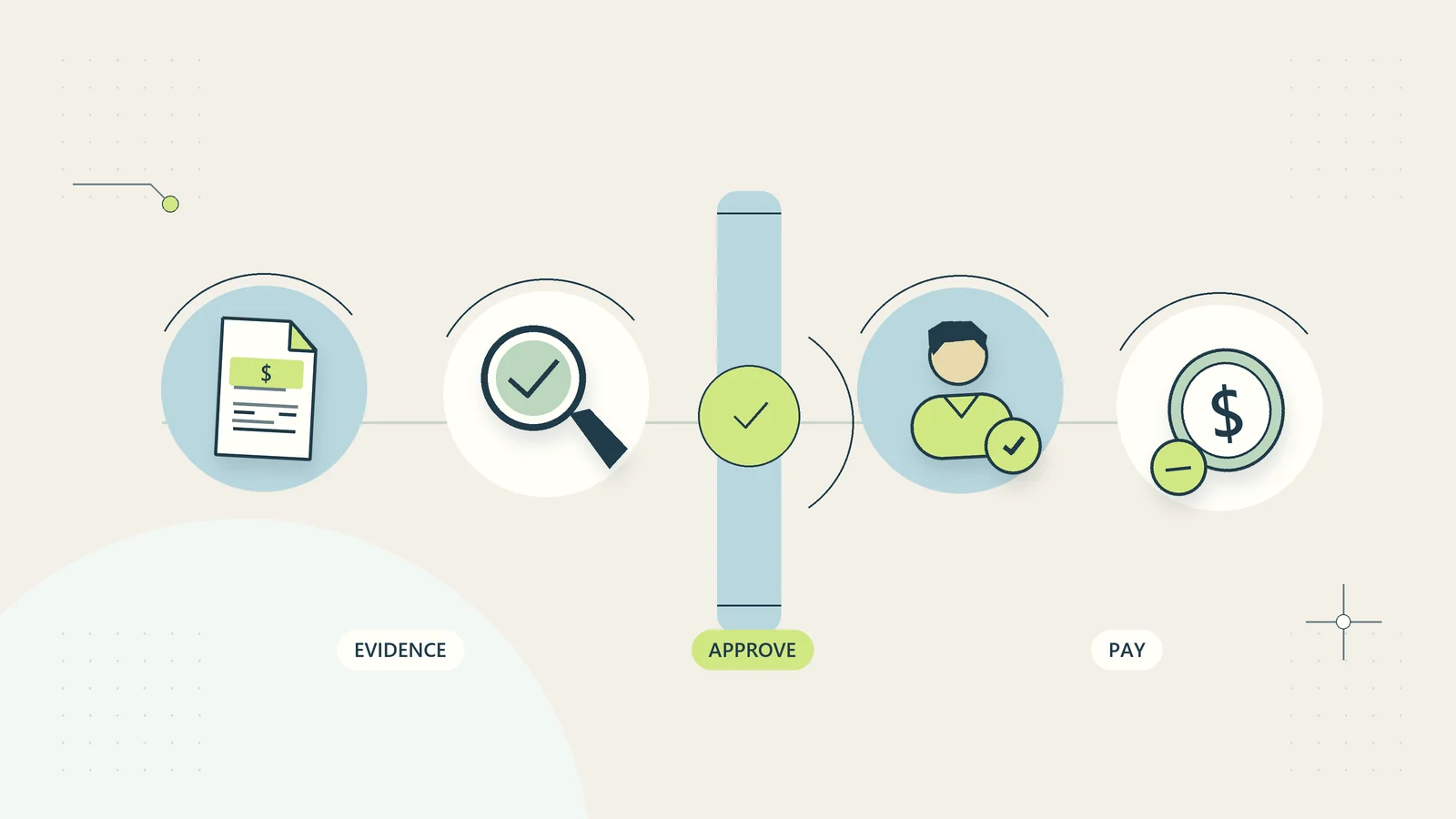
An invoice approval queue and a maintenance request queue answer different questions. Finance needs to know whether a charge matches authorized work and the agreed commercial arrangements. The property team needs to know whether the reported issue was addressed and whether further action remains. Connect the records, but do not make either team infer the other’s conclusion.
For example, a contractor may submit an invoice for an authorized diagnostic visit while parts are still being arranged. That charge can be reviewed on its own evidence without marking the whole maintenance request closed. Conversely, a resident’s report that the issue appears resolved does not establish that every invoice line is correct.
Record the relevant work order reference in the financial handoff and keep private resident information out of a general invoice approval note. This helps the business explain costs without distributing more personal detail than the task requires.
Maintain a useful property and asset reference
Repeated requests are easier to understand when the location has a stable identity. Use the property’s established reference and, where relevant, an asset or shared-area identifier. Do not rely only on a resident’s name, which may change while the building history remains important.
Keep the reference practical. A small property may need only a clear area description, while a larger site may have several similar doors, plant rooms, or service points. Provide enough detail for the qualified person to reach the right place without publishing sensitive access information.
Review recurring issue histories for the appropriate maintenance decision rather than merely counting new tickets. Several reports might indicate an unresolved condition, an ineffective previous repair, or separate problems with similar descriptions. The administrative record should support professional assessment while avoiding a premature diagnosis based on labels alone.
Sources and editorial method
Sources checked October 15, 2026: IBM: work order management and what is a work order. These official sources provide general context for request, work order, assignment, completion, and review records. The property intake structure, hypothetical entrance-door case, and pilot are original administrative analysis. They do not establish tenancy law, emergency procedures, technical repair advice, or a tested maintenance integration.