Write client status updates that reduce follow-up questions
Write clearer client status updates with a reusable six-part template, evidence checks, specific action requests, and a practical review process.
A useful client status update lets the reader understand what changed, what it means, and whether they need to act. A weak update lists activity without answering those questions. The client then asks for clarification, the team writes another message, and both sides spend time reconstructing information that should have been clear the first time.
The answer is not a longer report. It is a reliable structure connected to current evidence. A small business can use that structure in an email, a private project page, or a downloadable progress note. The format matters less than the accuracy of the underlying record and the clarity of the next decision.
This guide provides an adaptable template, examples, and a review process. It is designed for English-speaking business owners working across locations and time zones. The examples are hypothetical and should be adapted to the actual commitments, permissions, and professional responsibilities of your business.
Decide what the client needs to learn
Before writing, identify the purpose of the update. The client may need reassurance that an agreed milestone has been reached, notice that a dependency is missing, or a choice between two ways forward. An update that tries to explain every internal task usually buries the important point.
Write a private preparation sentence: “After reading this, the client should know…” Complete it with a concrete result. For example, the client should know that the draft is ready, which version to review, and the date by which a decision affects the planned publication slot.
Asana’s project-status guidance describes updates that summarize current progress, obstacles, and next steps. The useful small-business application is to choose information for the reader’s decisions rather than reproduce the team’s full task list.
If the expected result and responsibilities were never agreed, start with setting client expectations. Status reporting should explain progress against a recognizable plan, not introduce a different plan without discussion.
Use a consistent six-part structure
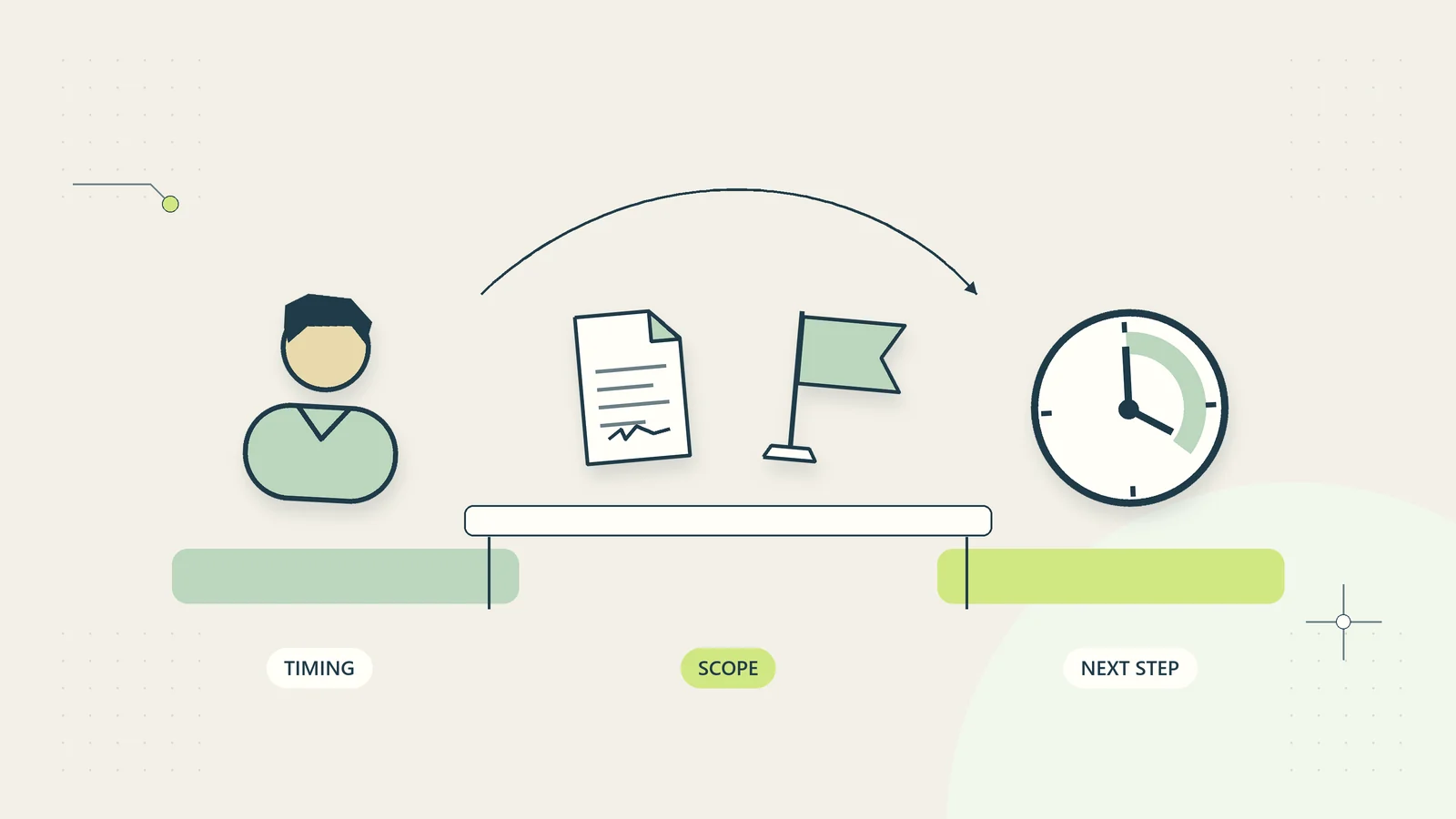
Build the update around six elements: reference and date, current position, verified progress, open issues, required action, and next update. The same headings can work across different projects without making every message sound identical.
| Element | Question it answers | What to include |
|---|---|---|
| Reference and date | Which work and which moment? | Project or request reference, reporting date, relevant version |
| Current position | Where do we stand? | A plain-language summary against the agreed milestone |
| Verified progress | What changed? | Completed output or confirmed decision, with a useful link |
| Open issues | What could affect the result? | Known dependency, consequence, and person handling it |
| Required action | What should I do? | One specific decision or an explicit statement that none is needed |
| Next update | When will I hear more? | A realistic date or a clearly defined event |
You do not need six large sections for a small task. A short message can cover all six elements in a few paragraphs. Consistency helps the client find the answer; it should not force the team to produce unnecessary prose.
Lead with the implication, not the activity
“We reviewed the files, discussed the requirements, and worked on the report” describes effort. It does not tell the client whether the report is usable, whether timing changed, or whether a decision is waiting.
A clearer opening might be: “The first draft is ready for your review. The delivery date remains achievable if we receive one consolidated approval by the stated review date.” That gives the reader the current position and the dependency immediately.
Avoid language that disguises uncertainty. “Nearly there” can mean almost anything. “Four of five sections are complete; the final section depends on the approved figures” identifies what remains and why.
Where a milestone is delayed, state the effect early. A client should not have to read a long list of completed tasks before discovering that the agreed output will arrive later. Explain the work already done where it helps them assess the revised plan, not as a substitute for the central fact.
Separate verified facts from estimates
Use clear language for each type of information. A fact is supported by a current record. An estimate depends on assumptions. An open question requires a decision or investigation. These categories should remain distinguishable in the final update.
For example, “The approved data file arrived on Tuesday” is a recorded event. “We expect to finish the review on Thursday” is an estimate. “We are checking whether the older file contains records missing from the new one” is an unresolved question.
Do not let an estimated completion date become an apparent guarantee by removing its dependency from the summary. Equally, avoid repeating every remote possibility. Include uncertainty when it changes a client decision or materially affects the agreed result.
Date important information. A statement that a supplier has confirmed availability is less useful without knowing when that confirmation occurred and which delivery it covers. Your business audit trail should preserve the supporting evidence without placing unnecessary detail in the client-facing update.
Make action requests specific and easy to answer
An action request needs a person, a decision, a relevant version, and a time implication. “Please review when possible” leaves all four unclear. “Please confirm whether version two is approved for publication, or send one consolidated list of required corrections, by the stated review date” is more actionable.
Ask for a decision the recipient is authorized to make. If several people need to comment, identify the person who will consolidate the response. Avoid sending the same approval request separately to five people and treating whichever reply arrives first as the final answer.
Explain what happens if the action is delayed. Keep the explanation operational and proportionate: a planned slot may need to move, an order may remain paused, or a recommendation may stay provisional. Do not turn the message into a threat or imply consequences that are not supported by the agreement.
If no action is needed, say so. Clients can spend time searching for a hidden request inside a routine update. An explicit “No action is needed from you at this stage” removes that uncertainty when it is accurate.
A reusable client update template
Use this structure as a starting point, then remove any heading that adds no value for the particular message:
Reference and date: Name the work, the reporting date, and the version where relevant.
Current position: State whether the agreed next milestone is on course, needs a decision, or has changed. Explain the consequence in plain language.
Since the last update: Identify the important completed output or confirmed decision. Link to the controlled record or approved deliverable the client is permitted to access.
Open item: Describe the unresolved issue, its effect, and the person responsible for the next step. If there is no material open issue, do not invent one to fill the template.
Your action: Ask for one clear decision, identify the version it applies to, and state the relevant date and time zone. Otherwise, confirm that no client action is needed.
Next update: Give the next review date or event and name the contact route for a correction or urgent change.
The template is a writing aid, not an automatic source of facts. Every field should come from current evidence and an accountable owner.
A hypothetical update for a document review
Imagine a small consulting team preparing an operational handbook. The client has already approved its structure, and the team is waiting for confirmation of two internal role names before finalizing the ownership section.
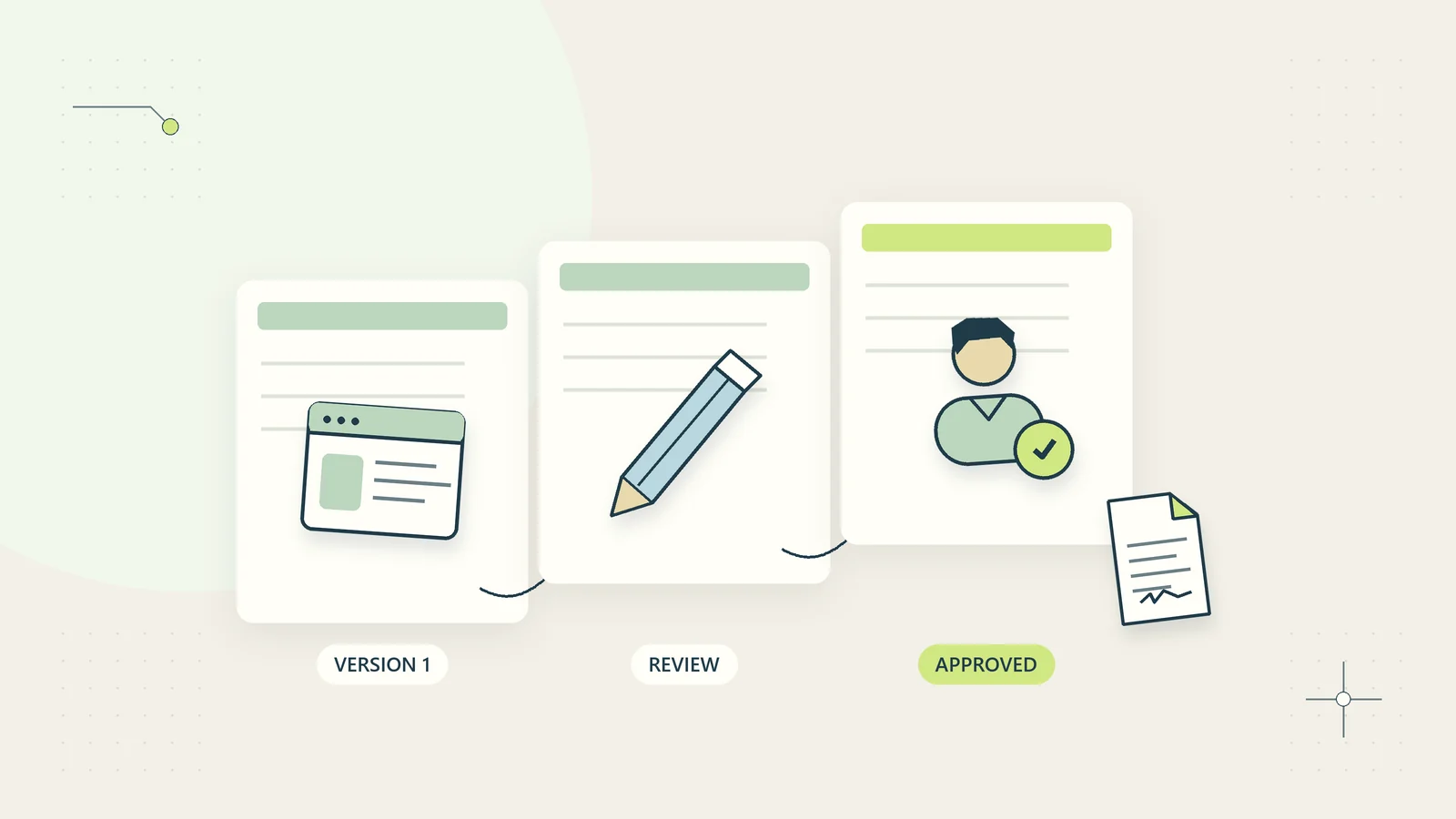
An effective update could explain: “The handbook draft is complete apart from the ownership section. The process descriptions and checklists are ready for review in version three. We need confirmation of the two role names highlighted on the review page before we can issue the final version. Please send one consolidated response by the agreed review date. We will confirm the final issue date after that decision.”
The message would include the actual reference, dates, authorized link, and next update. It would avoid claiming that the handbook is completely finished, because an essential decision remains open. It would also avoid listing every editing task the team completed during the week.
If the client cannot confirm the role names, the next step might be a version that clearly marks those responsibilities as unresolved. That option requires an explicit decision. The team should not quietly replace unknown owners with guessed names to create the appearance of completion.
Explain delays without blame or empty reassurance
When work changes course, provide the verified cause at the level the client needs. Describe its effect, the available choices, and when the next decision will be made. A message that only says the team is “working hard” gives the reader no way to understand the plan.
Separate causes you control from external dependencies. If the team underestimated review effort, acknowledge the revised estimate. If a client decision is missing, identify it neutrally and explain its effect. The purpose is coordination, not assigning moral responsibility in a status message.
Offer choices that are actually available. A reduced first delivery, a later complete delivery, or a different sequence may be possible. Check capacity and authority before presenting an option. An attractive alternative that the team cannot deliver creates another expectation problem.
For changes to agreed scope, use the approval and change process. A routine update can explain that a change decision is needed, but should not silently approve new work, alter a price, or replace the agreed scope.
Match cadence to decisions and risk
Choose an update schedule that fits how quickly meaningful information changes. A weekly rhythm may suit a multi-week project. A short operational incident may require more frequent updates. A self-service digital purchase may need event-based messages for delivery, recovery, or a confirmed product update.
Atlassian’s status-report guidance treats reporting as a way to communicate project position, issues, and next steps. Your cadence should help the reader act on those things rather than satisfy a schedule with an empty message.
Do not delay material news until the next routine report. If a known change affects a client’s imminent decision, communicate it through the agreed route when it becomes relevant. The routine report can then refer to the already communicated change.
Conversely, avoid sending a fresh notification for every minor internal action. Too many updates make it harder for the client to identify the message that requires attention. Use a stable accessible record for detail and a concise notification for meaningful changes.
Check recipient, version, and permissions before sending
A well-written update can still fail if it reaches the wrong person or links to an inaccessible file. Confirm the intended recipients, the current version, and the permission level. Be especially careful when copying a previous client’s message as a starting point.
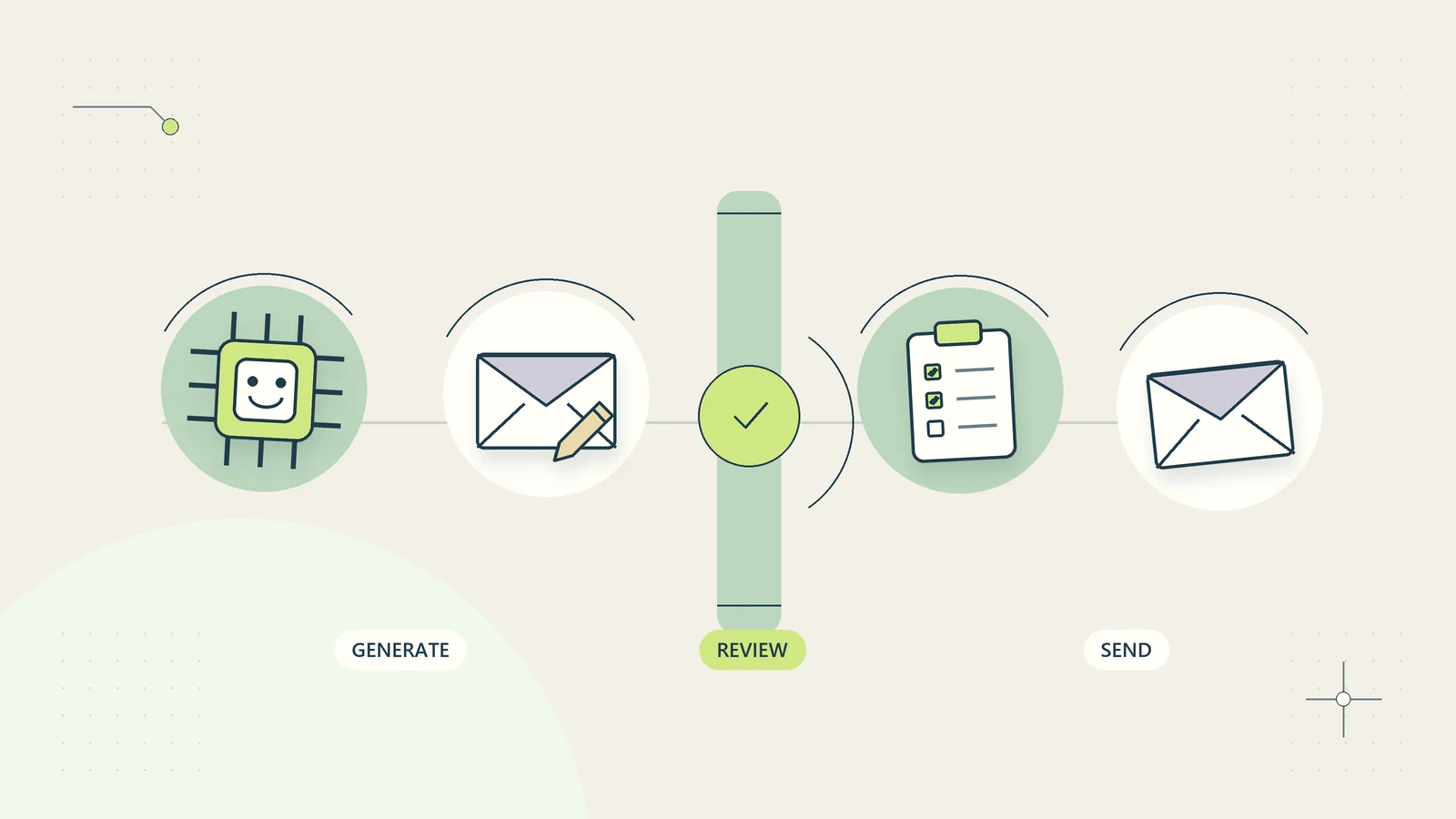
Use a short pre-send check: correct work reference, current facts, clear action, realistic date, correct link, appropriate audience. If the message contains sensitive information, apply the organization’s approved handling process rather than relying on a generic template.
Automated drafts need the same evidence check. A system may summarize an old status or confuse a completed internal task with a completed client result. If automation sends routine updates directly, keep the eligible message types narrow and ensure the underlying states have reliable definitions.
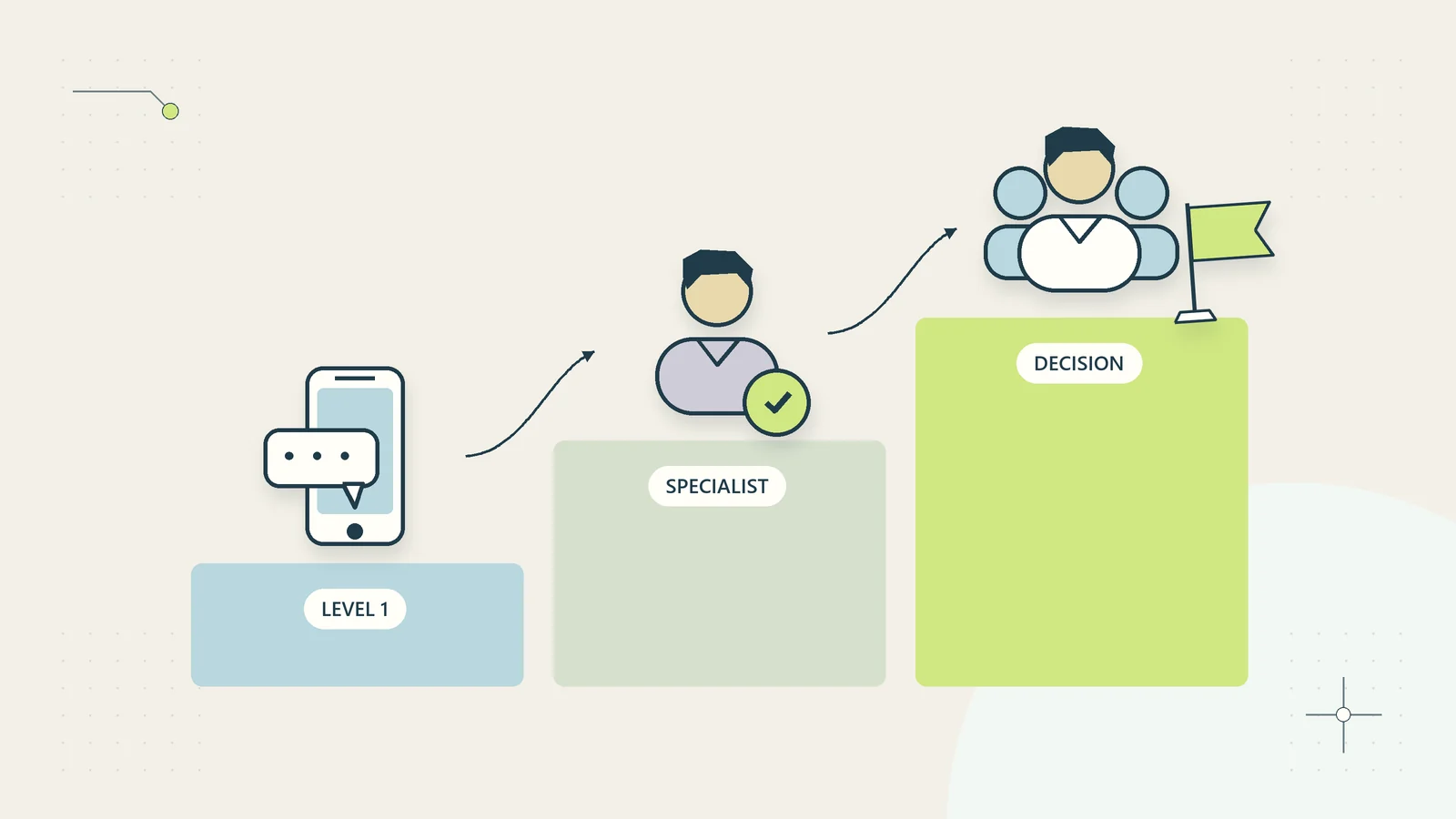
When work changes owners, use the client escalation process for unresolved concerns. A new sender should not have to reconstruct the entire history from scattered messages before giving the client a coherent answer.
Adapt the same evidence for different readers
A client sponsor and a person completing the next task may need different detail. The sponsor may need the overall consequence and a decision. The task owner may need the exact version, input, and review criterion. Use the same verified facts while adjusting the explanation to each reader’s responsibility.
Avoid maintaining conflicting private summaries. If the sponsor receives a simplified date that omits an unresolved dependency, their interpretation can diverge from the delivery team’s actual plan. Concision should remove unnecessary detail, not remove the condition that makes a statement true.
For a mixed audience, put the essential position and requested decision at the top, then provide a short detail section or a permitted link. Mark who is expected to act. Copying everyone does not make everyone equally responsible, and a long recipient list can make a specific request appear optional.
Review forwarded updates with the same care as newly written ones. An update suitable for one audience may contain information another audience should not receive. The usefulness of the message depends on appropriate access as well as clear writing.
Test whether the updates reduce uncertainty
Pilot the structure on a small set of comparable work. Keep the underlying delivery process stable so you can distinguish writing problems from scheduling or quality problems. Review the questions clients ask after each update.
Classify follow-up questions by cause: missing fact, unclear action, inaccessible evidence, conflicting date, unfamiliar terminology, or a genuinely new issue. The aim is not to eliminate questions. It is to remove questions caused by the update’s own ambiguity.
Track whether requested decisions arrive through the intended route and whether staff can find the last communicated position. Also check preparation effort. If writing the update requires a lengthy investigation every time, the operational record may need improvement.
Keep one owner for the template and update its examples when the business changes. A useful status message leaves the client with a reliable picture of the work and a clear next step, while preserving enough context for the next person who may need to continue the conversation.
Sources and editorial method
Research checked October 15, 2026. General reporting concepts were checked against Asana’s project-status report guide and Atlassian’s status-report guidance. The six-part client template, recipient checks, pilot measures, and document-review scenario are original practical analysis. The scenario is hypothetical and does not claim a measured reduction in follow-up or a guaranteed client response. No particular project management account is required to apply the method.