A consulting deliverable handoff clients can use
Hand over consulting work with a deliverable register, clear assumptions, verified access, an operating owner, a usability task, and acceptance evidence.
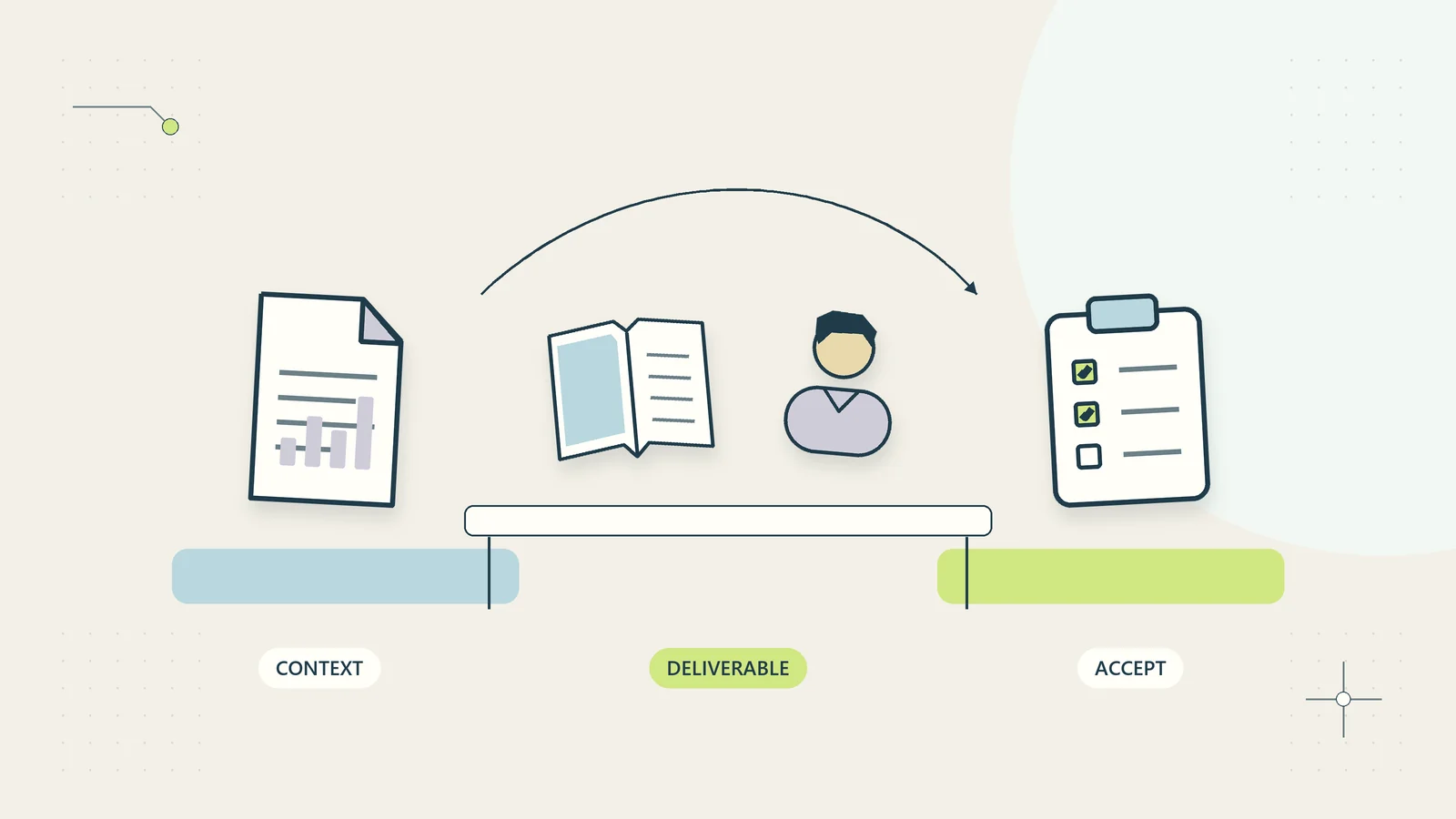
A consulting deliverable can be technically complete and still be difficult for a client to use. The files arrive without a clear starting point, assumptions are buried in working notes, and nobody knows who will maintain the result. The client then has to reconstruct the engagement before it can act on the work.
A good handoff transfers usable information, responsibility, and an understood decision state. It explains what was delivered, what the client can rely on within the agreed scope, what remains unresolved, and how the next owner will operate it. This guide offers a practical handoff structure for small consulting businesses, with hypothetical examples and first-party documents rather than a required software service.
Define handoff success at the start of the engagement
Ask what the client needs to do after delivery. It may need to make a decision, operate a recurring process, maintain a model, or give another team a controlled set of instructions. Those uses determine the format and supporting explanation the deliverable needs.
Record the intended recipient, decision owner, and operating owner. They may be different people. A sponsor can approve a report while an analyst needs to update its inputs each month. If the analyst’s needs appear only at the final handoff, the project may require avoidable rework.
Include the acceptance process in the agreed scope. Identify what will be reviewed, who can accept it, and how questions or deficiencies will be handled. Applicable contracts and professional requirements need their own review; this operational guide does not establish universal acceptance or liability terms.
Build a deliverable register
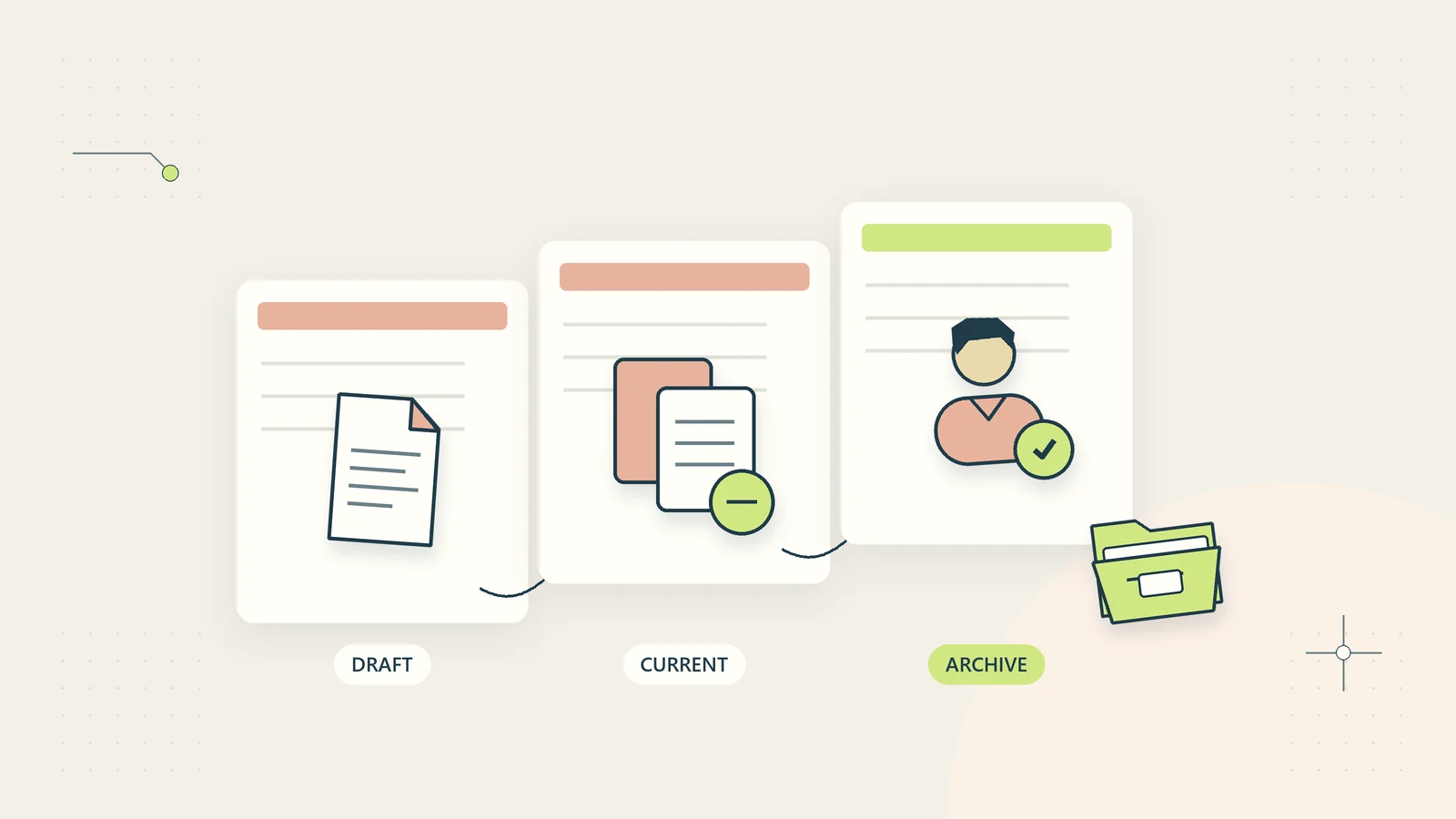
Create one entry for each agreed output. Include its identifier, title, purpose, owner, version, location, status, and the evidence required for review. Distinguish the final client output from working notes and superseded drafts.
The register should show relationships. A recommendation report may depend on an assumptions workbook and a source inventory. A procedure might refer to an operating checklist. Link those items so the client can see what belongs together without guessing from filenames.
Atlassian’s project closure guidance distinguishes finished project work from formal closure. Its process documentation guide provides context for documenting repeatable work. The handoff register here is an original operational structure for making those transitions explicit.
Write a one-page starting guide
Give the client a clear entry point. State what has been delivered, what each major item is for, which file to open first, and the action or decision expected next. Keep the starting guide short enough to use while navigating the actual materials.
Explain the current state without promotional language. “Ready for client review” differs from “accepted” and “in operational use.” If a dependency remains unresolved, identify it rather than presenting the whole engagement as complete because the main document has been emailed.
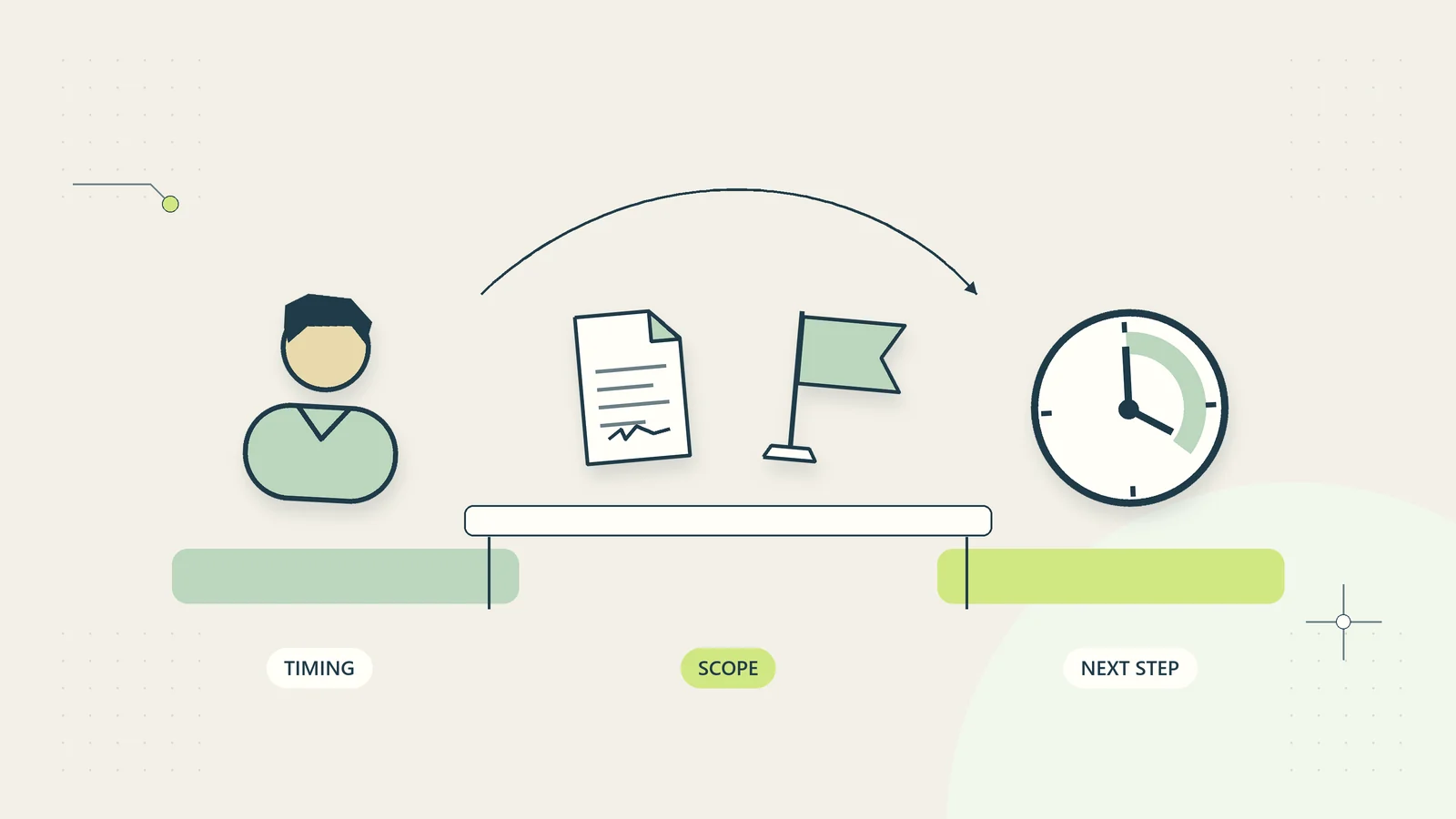
Include the version and delivery date, the scope boundary, and a route for questions under the agreed support arrangement. Avoid turning the starting guide into a new sales proposal. Its job is to help the recipient understand and use work already delivered.
Separate findings from assumptions and unresolved questions
A client should be able to distinguish evidence, interpretation, and a planning assumption. Label estimates and limitations near the point where they affect a decision. A general disclaimer at the back of a report is not a substitute for explaining a material gap in the relevant section.
Use a short assumptions register for items that require later confirmation. Name the assumption, why it was used, the affected output, and who will verify it. Do not let a placeholder quietly become a confirmed fact when another team copies the deliverable.
For unresolved questions, state whether they block acceptance, block a particular use, or belong to later work outside the engagement. This classification helps the client prioritize. It also prevents every open question from being interpreted as proof that the whole project failed or, conversely, as harmless future improvement.
Package files for a new user
Use a small, intelligible folder structure and predictable filenames. Include the agreed final formats and any editable sources the engagement requires. Check that fonts, external references, linked data, and supporting assets do not depend on a private consultant account.
For a workbook, identify input cells, calculation areas, and outputs. For a slide deck, provide the explanation needed to understand the recommendation without the presenter. For a procedure, distinguish normal steps, exceptions, and decision limits. Test the actual delivered files rather than relying on the authoring environment.
The document version control guide develops a fuller version model. In the handoff package, retain one obvious current version and a documented replacement process. A client should not need to choose between files called final, final revised, and final approved new.
Verify access using the recipient’s position
Check whether the intended recipient can open the files, follow links, and reach any permitted source material. A link that works for the consultant may depend on permissions the client does not have. Separate the public or shareable resource from private working evidence.
Use proportionate access and avoid placing confidential material in an unrestricted folder simply to make delivery easier. Confirm which organization will own the final location and how access should change when the engagement closes. Keep private credentials out of the handoff document.
If a tool or account is required to operate the result, state that dependency clearly before acceptance. Do not describe an output as portable if it relies on an unavailable personal license or a connection that has never been tested. Where feasible, include a useful export and operating explanation the client can retain.
Transfer the operating responsibility
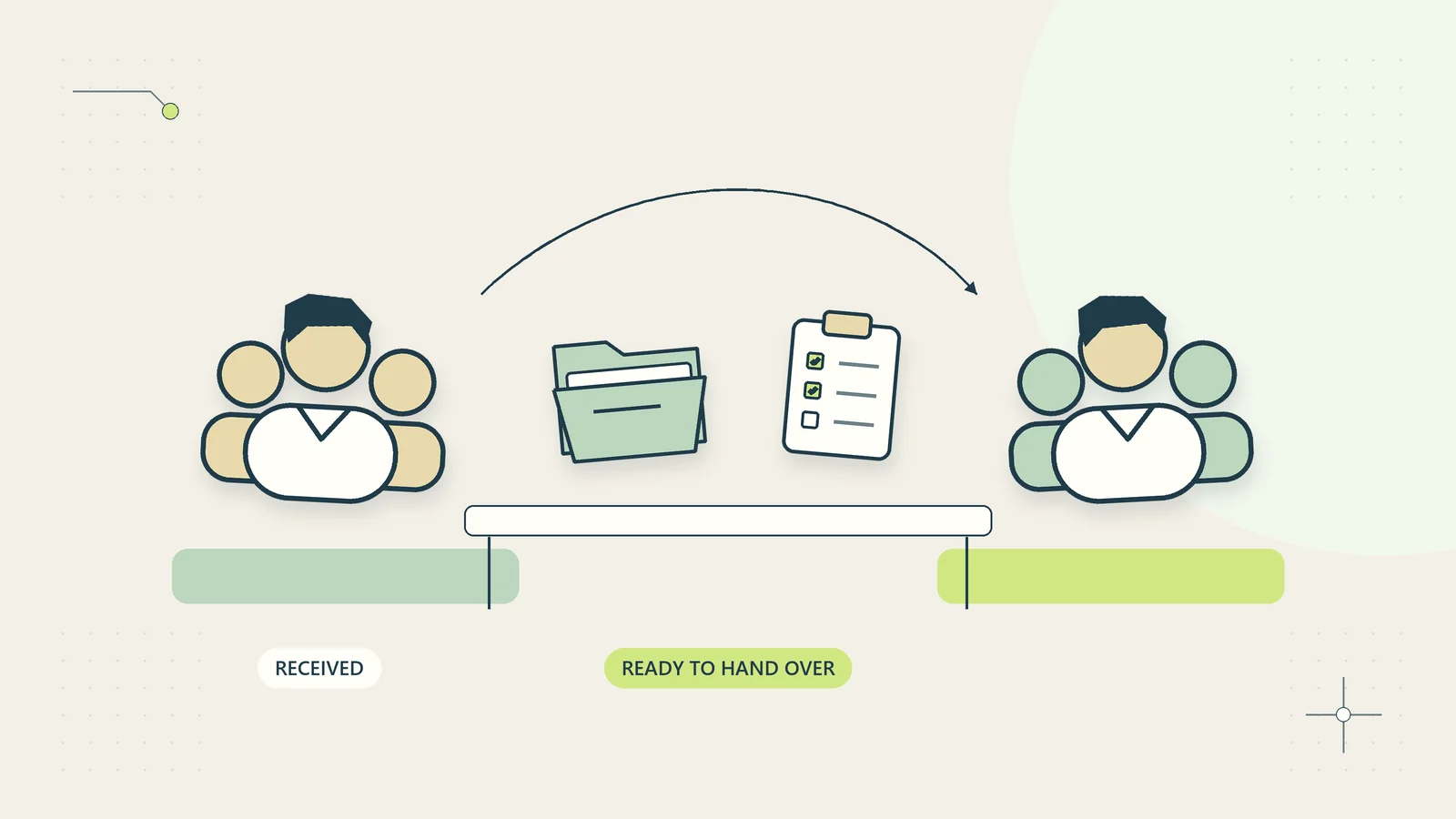
Name the person or role responsible for maintaining each recurring output. Identify the inputs they need, the review frequency, the authority to make changes, and the exception route when information is missing. Ownership should describe a real action, not merely put a name beside a file.
For a recurring model, explain how new inputs are checked and how a changed assumption is recorded. For a procedure, identify who can approve revisions and who must be informed. For a recommendation, clarify who decides whether and how to implement it.
The business handoff checklist addresses general transfers between teams. A consulting handoff adds the boundary between a time-limited engagement and the client’s continuing responsibility. Make that boundary explicit so useful support does not become an undefined permanent obligation.
Use a demonstration task to test usability
Choose a realistic task the new owner should be able to complete. Ask them to find a key finding, update a sample input, locate an exception instruction, or explain which recommendation depends on an unresolved assumption. A demonstration can be written and asynchronous if that suits the engagement.
Observe where the materials fail to support the task. If the owner needs the consultant to explain an undocumented dependency, improve the handoff rather than treating the question as user error. Do not include real confidential data in a practice example unless it is necessary and appropriately authorized.
Record the result of the task and the changes made. A training attendance record establishes attendance; it does not establish operational understanding. The useful evidence is whether the recipient can perform the intended task within the agreed scope and recognize when further review is required.
Walk through a hypothetical consulting package
Imagine a consultant delivering an administrative workload review to a small service firm. The package includes a report, an editable task inventory, a prioritization worksheet, and a proposed weekly review routine. The client sponsor will choose priorities, while an operations lead will maintain the inventory.
The starting guide directs the sponsor to the decision summary and the operations lead to the input instructions. The assumptions register notes that two task volumes were estimated because records were incomplete. The worksheet labels those estimates so they are not mistaken for measured activity.
During a demonstration, the operations lead can add a task but cannot tell when a change requires sponsor approval. The consultant adds a decision-limit section and a sample exception. The package remains in review until the agreed acceptance process is complete; sending the files alone does not change that state.
Record acceptance without erasing remaining work
Use a review record that references the actual deliverable version and agreed criteria. Capture the decision, decision maker, date, and any accepted limitations or outstanding corrections. An informal compliment in an email may be encouraging without answering the acceptance question.
If corrections are required, distinguish defects against the agreed output from new requests. Assign an owner and planned resolution for each accepted correction. Follow the engagement’s change process for work outside scope rather than quietly adding it to the handoff list.
The client expectations guide helps establish these boundaries earlier. At handoff, use the language already agreed with the client. Avoid inventing a new response window or acceptance rule at the moment the client is being asked to approve the work.
Prepare a bounded recovery route
Explain how the client can report an access failure, missing item, or suspected defect. State what identifying information helps: deliverable version, task attempted, observed outcome, and the location of the relevant section. Request only the data needed to investigate.
Keep the support arrangement consistent with the engagement and applicable obligations. If ongoing maintenance is outside scope, make the operating owner and future change process clear. A handoff can be supportive without leaving both sides uncertain about who is responsible indefinitely.
Retain an appropriate delivery record and the agreed final package under the business’s reviewed retention arrangements. Avoid keeping every temporary export or private working copy forever. Where the client needs continuing access, confirm that the final location will remain available after the consultant removes temporary collaboration access.
Close project administration as well as the document
Check remaining administrative handoffs: approved expenses, billing evidence, returned equipment, access removal, and outstanding commitments. Do not assume the operating handoff automatically resolves the financial or contractual close.
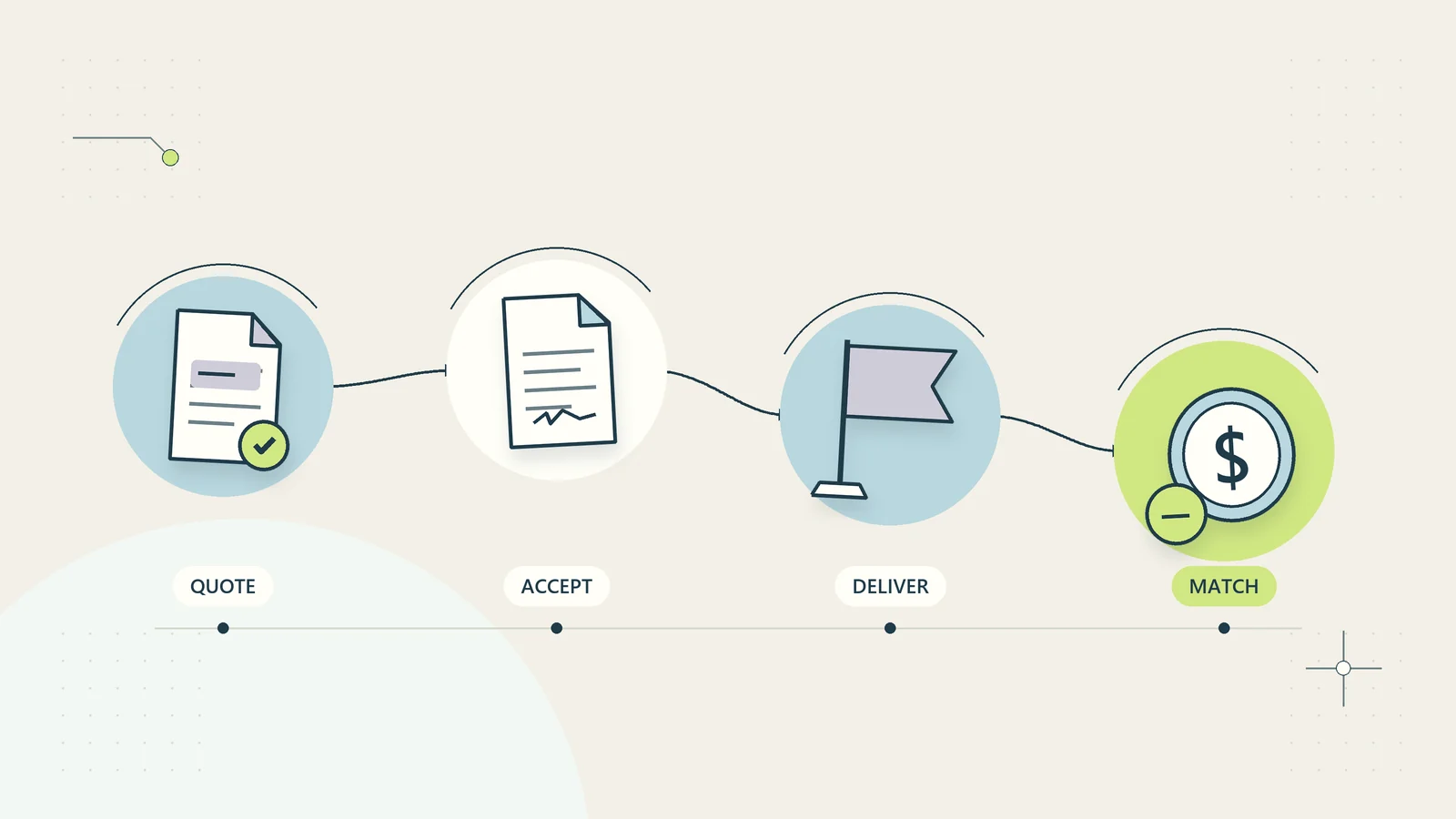
The quote-to-cash guide connects delivery evidence with invoicing and payment coordination. A final invoice may need the accepted milestone record, but the invoice itself is not proof that the client has received a usable package. Keep the evidence and authority of each stage distinct.
Create a short closing summary for internal use. Record what was delivered, which version was accepted, where ongoing responsibilities sit, and which follow-up items have moved to another named process. This allows another colleague to understand the engagement without reconstructing months of correspondence.
Measure handoff quality through avoidable follow-up
Review questions received after delivery. Separate legitimate new work from confusion caused by missing instructions, broken links, unclear ownership, or hidden assumptions. These categories show where the handoff standard needs improvement.
Track whether the first intended task could be completed, whether all required files were accessible, and how many material corrections were needed after review. Use comparable engagements and a visible observation period. A single smooth delivery does not demonstrate that a template will work for every client.
Avoid rewarding a low question count alone. Some clients do not use the deliverable or hesitate to ask. A small usability check with the intended owner can provide more useful evidence than silence. The aim is a client who understands both the useful application and the limits of the work.
Create a reusable standard without a generic package
Use a standard checklist for the register, starting guide, assumptions, access, ownership, review, and closure. Then tailor the contents to the actual use. A strategy report, an operating workbook, and a staff procedure do not need identical supporting materials.
Pilot the standard on the next suitable engagement. Ask the recipient which instructions helped and where they still had to rely on memory or personal explanation. Improve the reusable structure from those observations, while keeping confidential client details out of the template.
A successful handoff leaves a visible next action, an accountable owner, and a usable record of what was agreed. It is the point where the client’s ability to use the work becomes as important as the consultant’s ability to produce it.
Check whether the package remains usable without you
Before release, review the deliverable as if the author were unavailable. Can the client find the current version, understand the inputs, identify important assumptions, and recognize the limit of the agreed use? Look for unexplained abbreviations, private file paths, and references such as “as discussed” that depend on a conversation the future owner may never have heard.
Where a calculation or operating sequence matters, include a small worked example using fictional data. Explain the expected result and a common exception. This gives a future maintainer a way to check that they are using the package as intended without sharing confidential client material in a general template.
Also verify that the client can retain the promised materials. If continuing access depends on a temporary collaboration folder, move the final package to the agreed destination and check its permissions. A downloadable archive can be useful where appropriate, but it should contain a clear register and version rather than a pile of unexplained working files.
This review does not remove every future question. It removes avoidable dependence on the consultant’s memory and makes the remaining support questions more specific. The handoff becomes stronger when the client’s next owner can explain the result to another colleague using the materials alone.
Sources and editorial method
Sources checked October 15, 2026: Atlassian: project closure and process documentation. These official references provide general closure and documentation context. The deliverable register, hypothetical workload-review package, usability task, and operating handoff method are original analysis. No consulting credential, client outcome, legal conclusion, or hands-on software test is claimed.