Resource planning for a small creative agency
Plan creative agency work by usable capacity, specialist skills, input readiness, review time, and explicit choices when client commitments conflict.
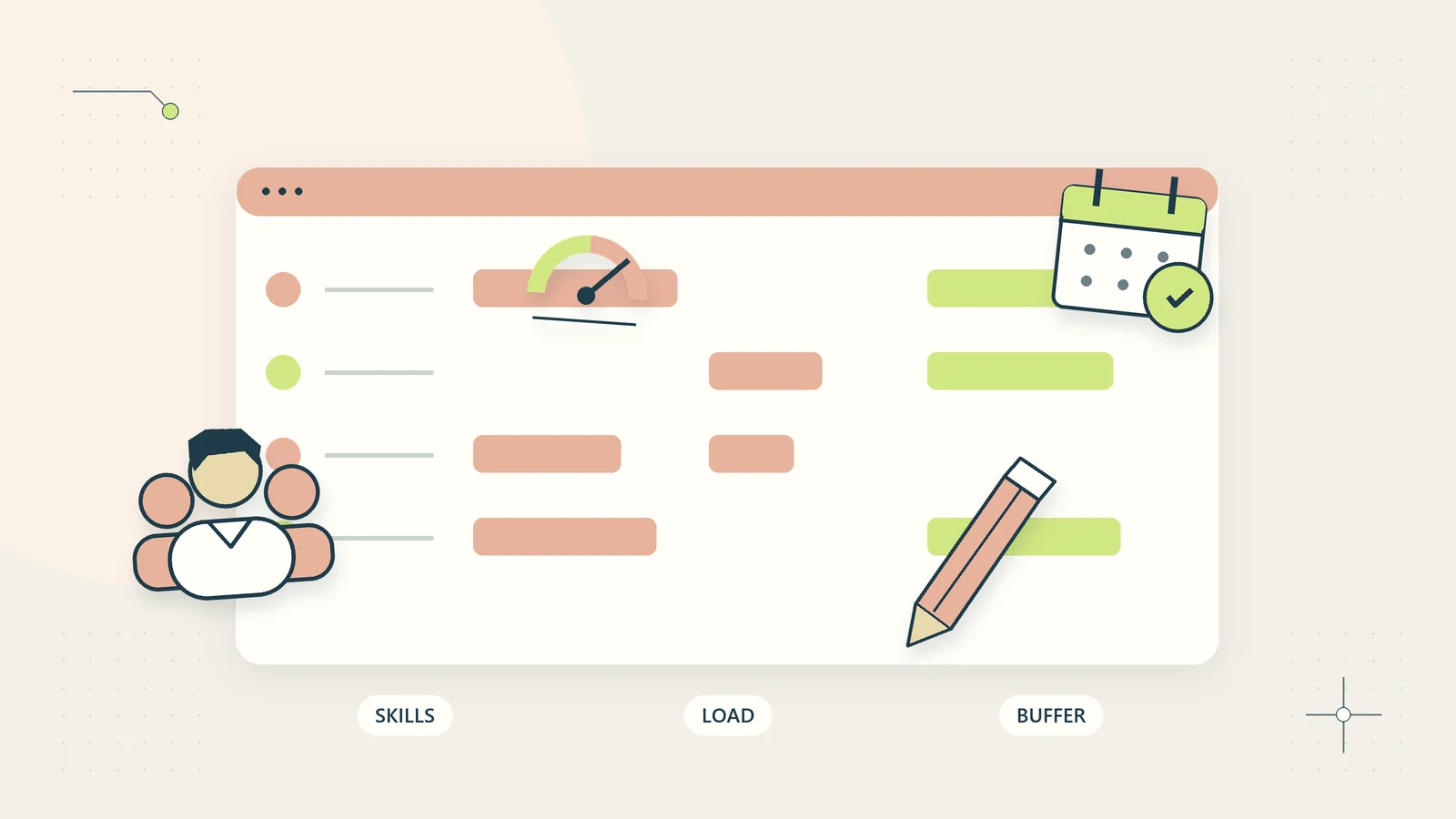
Resource planning in a creative agency is a promise-management problem. The agency sells future attention from people with different skills, then has to absorb revisions, late inputs, review time, and work that was never included in the original estimate. A calendar full of project names does not show whether those promises can coexist.
A useful plan connects specific work to the right capability, a realistic amount of available time, and the decisions needed when the plan changes. It can start in an agency-owned spreadsheet. This guide focuses on small creative teams and uses hypothetical numbers to illustrate the method, without claiming a particular utilization target or a guaranteed improvement.
Start with the decision the plan must support
Decide whether you are planning this week’s assignments, evaluating next month’s commitments, or considering a longer-term hire. Those decisions use different levels of detail. Combining them into one overloaded schedule often produces false precision.
For near-term work, identify the task, owner, input readiness, review requirement, and delivery date. For future commitments, use a range of effort by skill and the confidence of the opportunity. A potential campaign should not appear as a fully committed assignment, but it should not disappear from the capacity discussion either.
Write the planning horizon at the top of the record. Also state the decision it supports: accept a start date, move a review, bring in approved assistance, or reduce scope. If nobody can identify a decision the plan changes, simplify it before adding more fields.
Establish usable capacity by person and skill
Begin with working availability, then subtract known leave, internal responsibilities, recurring reviews, and other commitments. Do not assume that every paid hour can become uninterrupted client production. Ask people to check the assumptions rather than treating the first calculation as a performance standard.
Record skills at the level needed to assign work. “Designer” may be too broad if one person handles packaging production and another creates motion graphics. Avoid turning the list into an exhaustive assessment of employees. The purpose is to identify which commitments rely on scarce capabilities.
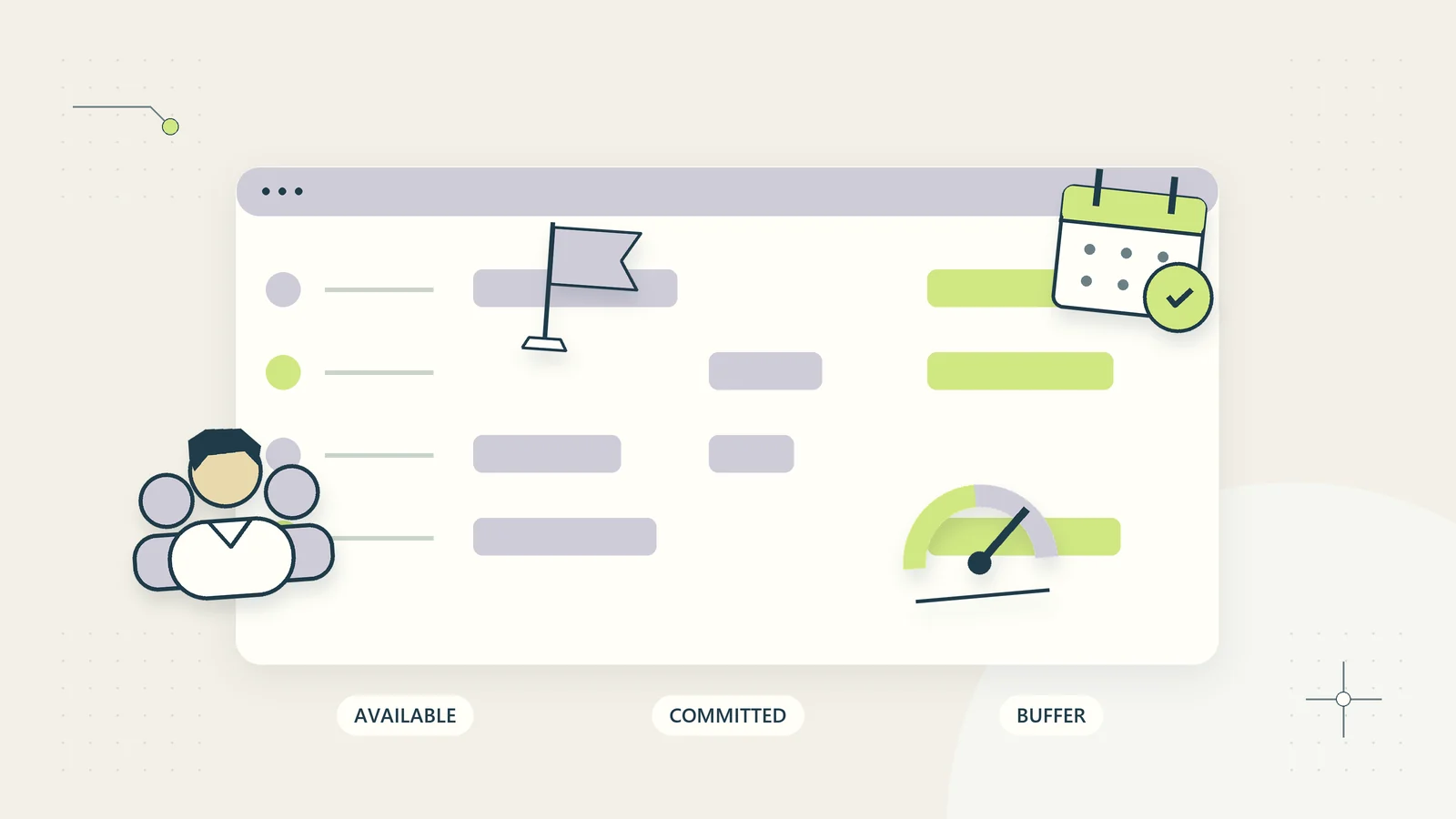
A hypothetical agency has two designers, each with 30 hours of usable delivery capacity next week after known internal work. Their combined 60 hours do not solve a 20-hour motion project if only one person has the relevant skill and that person is already committed. Check the constraint at the capability level.
Separate allocations from executable tasks
An allocation reserves an amount of time for a project. A task tells someone what to do. Both are useful, but they are not interchangeable. A person may be allocated ten hours to a campaign while still lacking the brief needed to begin.
Asana’s capacity planning page illustrates planning across people and projects. Its capacity planning help documentation distinguishes high-level staffing from task assignments. Product behavior can change, so check the current documentation if using that software. The planning method here requires neither Asana nor another subscription.
Keep the relationship visible in your own records. Each near-term allocation should point to work that can actually start or to a named readiness dependency. Otherwise the schedule can show everyone as fully booked while several people are waiting for inputs.
Estimate work with review and production detail
Break a project into work packages that have a recognizable output. Separate concept development, production, internal review, client feedback handling, and final preparation where those stages use different people or occur at different times.
Use effort ranges when uncertainty is material. A new campaign format may deserve a broader range than adapting an approved template. Record the assumption behind the estimate, such as two selected concepts and one consolidated feedback round. This makes a later change easier to explain without blaming the team for an unstated assumption.
Do not hide quality assurance and account coordination inside an unspecified buffer. Those activities consume real capacity and may be the bottleneck. The small-business capacity planning guide develops the general calculation; the agency-specific addition is the timing and authority of creative review.
Make readiness a condition of the schedule
Identify the minimum inputs required to begin each stage. That may include an approved brief, source files, brand guidance, product facts, or a named client decision maker. Record whether the inputs are complete and who owns the missing item.
Use a provisional allocation when a client start is uncertain. Define when the reservation must be confirmed or released. Otherwise a late brief can leave the team idle and then return as an urgent request that displaces already-ready work.
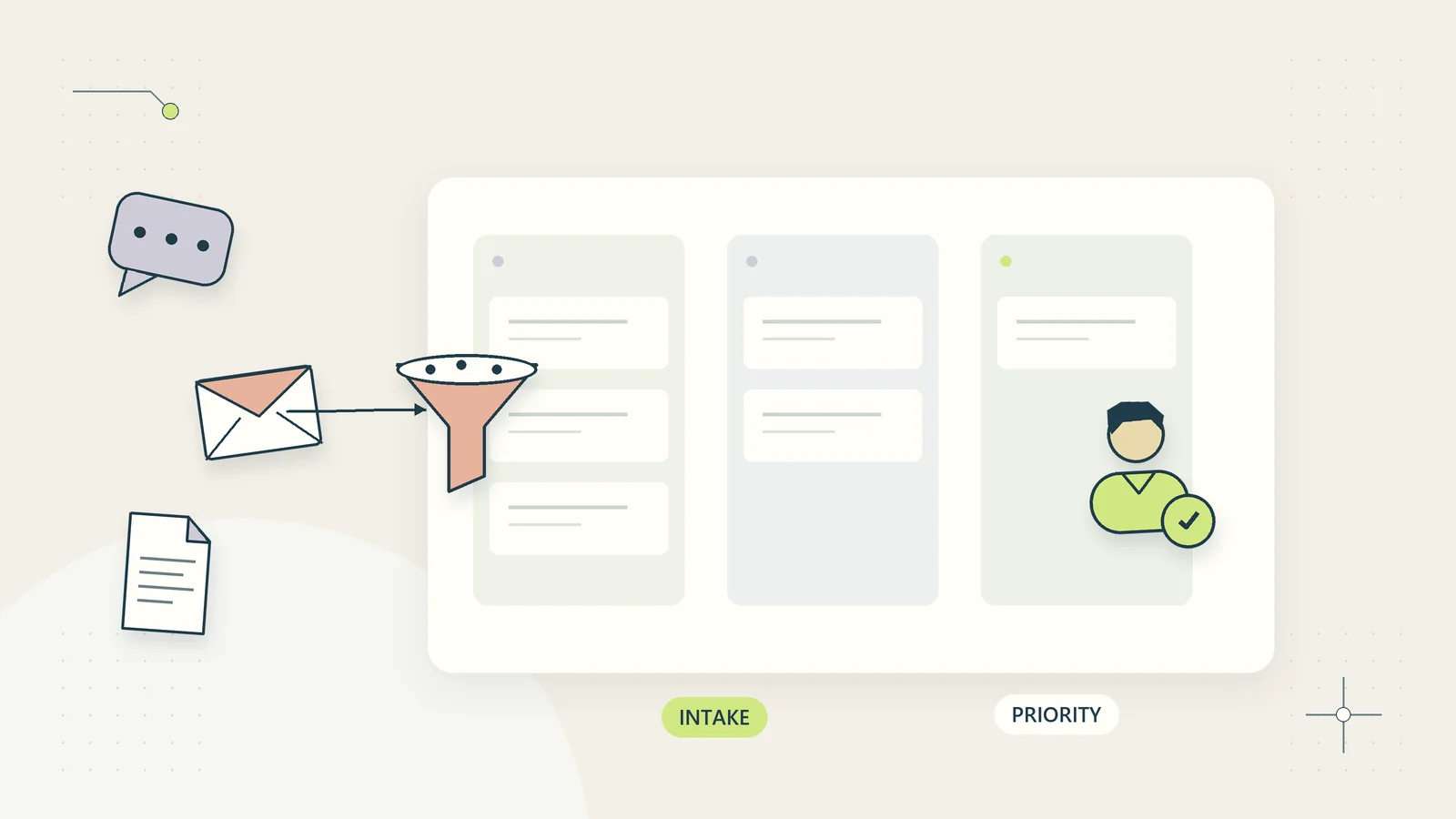
The work intake process guide helps establish the front door for these requests. In the resource plan, readiness is a decision field: start, hold provisionally, or return for clarification. It should not become a vague comment that the scheduler has to remember while making every assignment.
Plan the review bottleneck explicitly
Creative directors, specialists, and client approvers can constrain delivery even when production capacity appears available. Reserve review time as work with a clear input and output. State which version is being reviewed and what decision is needed.
Avoid scheduling several projects to require the same senior reviewer at the same moment. A thirty-minute review may also require preparation and a subsequent correction pass. Record enough time for the whole handoff, not only the visible discussion.
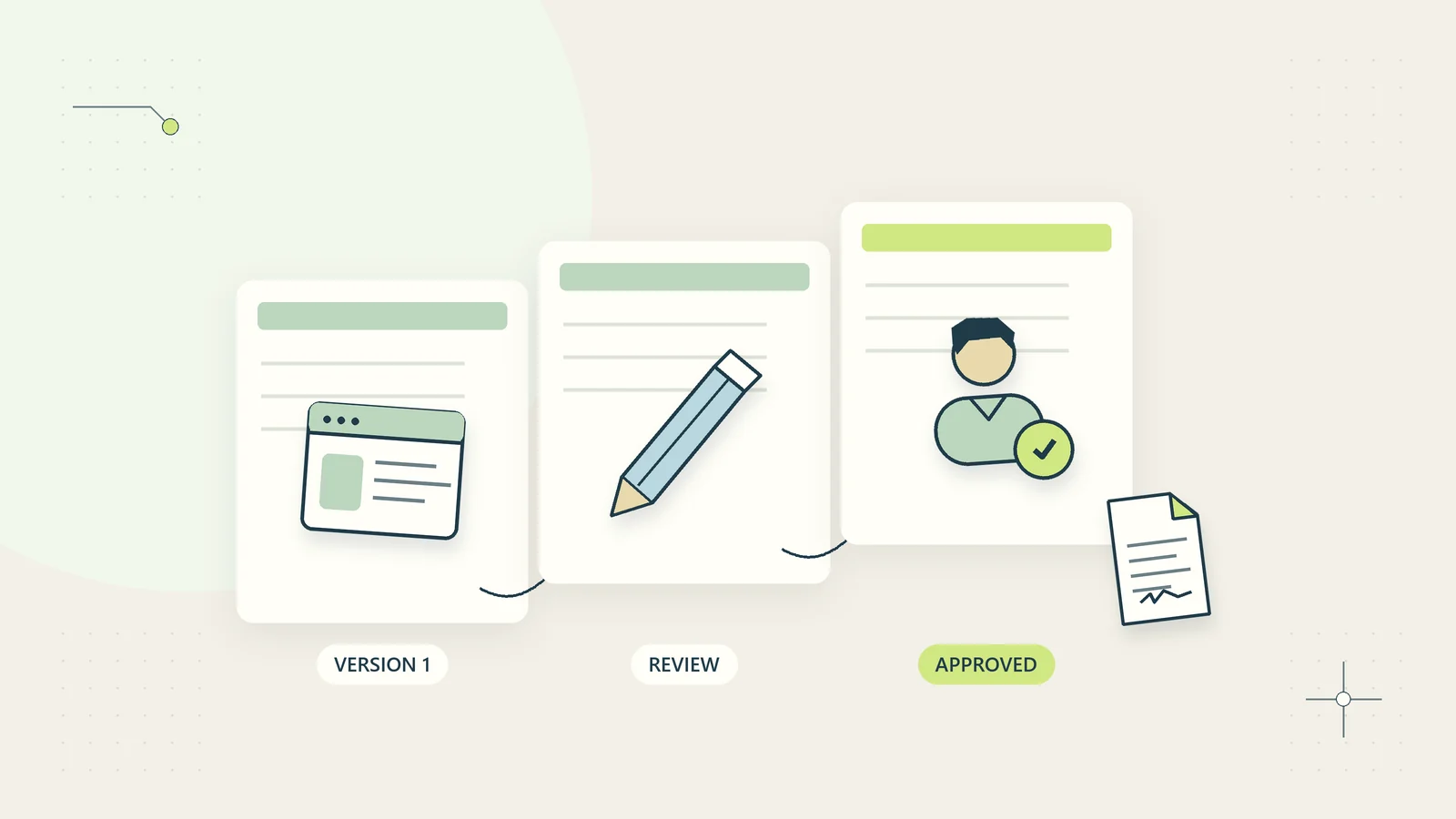
The agency approval process guide explains version-specific approval and consolidated feedback. Connect its decision points to the resource plan. If client approval moves, identify which downstream work becomes blocked and which can continue independently rather than automatically shifting every task by the same number of days.
Keep planned work, contingent work, and reserve visible
Use separate labels for committed client work, probable opportunities, and internal priorities. A probability estimate can inform scenarios, but multiplying every possible job by a percentage does not produce a schedule that can be executed. Two opportunities may both require the same person during the same week.
Build at least a base scenario and a plausible heavier scenario. Show what decision would be needed if both opportunities confirm. That might be a later start date, a narrower initial scope, or vetted external help. Do not pre-sell capacity that exists only in the average of incompatible futures.
Keep reserve time explicit and explain its purpose. A reserve for revisions or short-notice operational work is not automatically wasted time. Review actual use before changing it. Filling every visible gap with a new commitment can remove the capacity that keeps existing work reliable.
Test a hypothetical weekly plan
Consider a four-person agency: an account lead, a creative director, and two designers. After known internal duties, the designers have 60 combined delivery hours. The director has twelve review hours. Three active projects require 48 production hours and ten review hours.
A new job needs sixteen production hours and four review hours next week. The production gap is four hours, but the review gap is two hours. Adding four hours of freelance production alone does not solve the plan. The agency also needs to change review timing, adjust scope, or agree a different start.
The scheduler records those alternatives and asks for the relevant commercial decision before confirming the deadline. The example demonstrates constraint checking, not a recommended staffing ratio. The important point is that the scarce review capacity stays visible alongside production effort.
Handle revisions without silently expanding the promise
Distinguish corrections within agreed work from new requirements that change the estimate. Record the affected version, the requested outcome, and the additional production and review effort. Do not assume every client comment is either chargeable scope or an agency error; the responsible person needs to assess the actual agreement and context.
When the resource effect is material, update the plan before promising the revised delivery date. State which other work would move if the request is accepted. This turns an abstract complaint about workload into a concrete decision about commitments.
Keep the client communication separate from internal blame. The agency can explain that a new deliverable needs a revised schedule without exposing private employee workloads. Once the change is approved through the proper process, retain the decision and update the estimate so the next planning review uses the current scope.
Use freelancer capacity with a real handoff
External help needs more than an available name. Confirm capability, availability, approved commercial arrangements, access, confidentiality requirements, source materials, review responsibility, and delivery format. The internal team still needs capacity to brief and check the work.
Model that supervision effort explicitly. A freelancer may add ten production hours while requiring two hours of internal briefing and review. Those two hours can be worthwhile, but omitting them makes the plan look more comfortable than it is.
Do not count the same freelancer as available for several projects without a confirmed reservation. Keep contingent assistance in the scenario rather than in the committed baseline. If the person becomes unavailable, the plan should show the affected commitment and its decision deadline, not leave the scheduler to reconstruct the dependency from email.
Review the plan through decisions, not status recitation
Use a short written review focused on changes since the last version. Ask what became ready, what moved, which estimate changed, and which commitment now exceeds a capability or review limit. Record decisions with an owner and effective date.
For each conflict, compare concrete options. Moving a deadline, reducing the first release, changing the sequence, or adding appropriate help have different consequences. Avoid asking employees merely to “make it work,” which transfers an unresolved commercial decision into unrecorded overtime or quality risk.
Share enough of the plan for people to challenge errors in their allocations. Keep sensitive commercial or personal information appropriately restricted. A plan should support coordination without becoming a public ranking of who appears busiest. High recorded utilization alone does not establish good work or a sustainable operating model.
Measure forecast quality and delivery friction
Compare estimated and actual effort by work type over a useful observation period. Investigate patterns such as repeated review overruns, late briefs, or production starting before approval. Avoid treating every variance as individual underperformance; estimates and scope definitions may be the source of the problem.
Track work waiting for inputs, tasks interrupted after starting, and commitments changed after confirmation. These measures explain why a team feels overloaded even when total hours appear reasonable. Record the project mix so comparisons are not distorted by a shift from simple adaptations to unfamiliar campaign work.
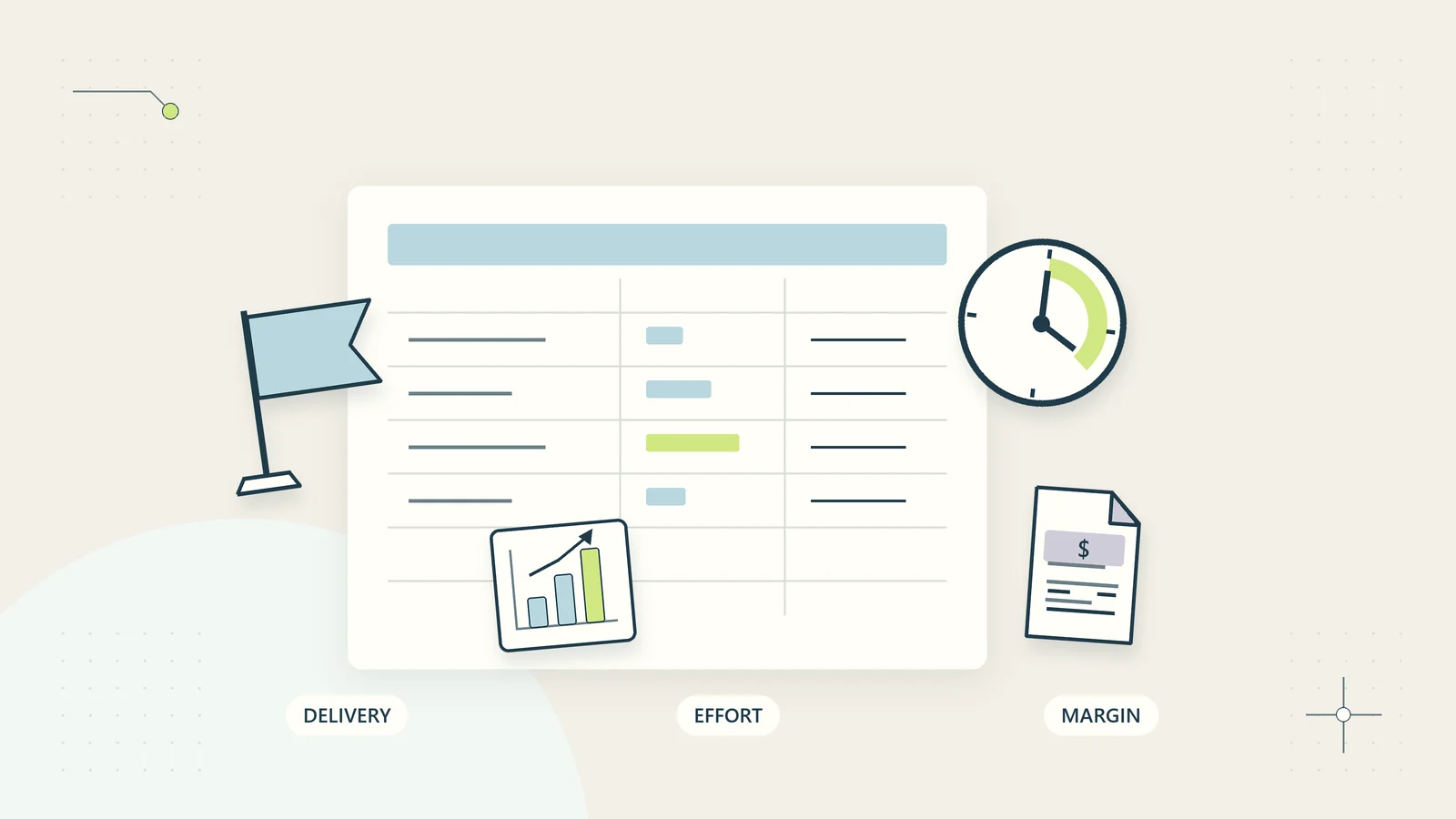
The project profitability handoff guide connects effort evidence with delivery economics. Keep that commercial analysis separate from recovered time claims. A better schedule may create usable capacity without reducing cash expenditure, and the business still needs a plan for how to use that capacity.
Pilot a planning standard the team can maintain
Choose the next two weeks of active work and a small set of future commitments. Establish usable capacity, capability constraints, readiness, review effort, and a clear rule for confirming new starts. Use your existing records before evaluating more software.
At the end of each week, compare the plan with what happened and correct the assumptions that caused the largest decision errors. Remove fields nobody uses. Add detail only where it helps a specific choice, such as distinguishing concept review from production approval.
The plan is useful when a person outside the scheduling work can see what is committed, what is provisional, where capacity is constrained, and which decision is due next. That standard makes future automation more dependable because the records already describe an operation people understand and can cover.
Make an explicit rule for unplanned requests
Every agency receives work that was not in the weekly plan. Agree a route for assessing it rather than allowing the person who receives the message to decide silently which existing commitment will move. Capture the requested outcome, required date, minimum scope, and consequence of waiting.
The scheduler can then identify the affected capability and present the tradeoff. If a designer takes an urgent two-hour adaptation, the plan should show which other task moves or which reserve covers it. The same request may also need account handling and review time. Treat the full handoff as the unit of planning.
Use an agreed authority limit for small adjustments and escalate larger conflicts to the appropriate commercial decision maker. This allows routine responsiveness without forcing every change into a meeting. It also keeps an employee from becoming personally responsible for two incompatible client promises.
Keep capacity information useful and proportionate
Ask for enough effort evidence to improve estimates and assignments, while avoiding a reporting burden that consumes the time the plan is meant to protect. A small team may learn more from a few consistent work categories than from dozens of minute-by-minute codes.
Explain why the information is collected and who sees it. Separate operational planning from sensitive employment decisions and follow the applicable arrangements for your team. Do not turn a rough forecast into a precise personal productivity score.
Review unexpected gaps as well as overload. A person may be waiting because a brief is missing, a reviewer is unavailable, or a task was never made ready. The response might be to improve intake or cross-training, not simply to assign more work. A useful capacity plan makes these causes discussable before they become last-minute deadline pressure.
Sources and editorial method
Sources checked October 15, 2026: Asana: capacity planning overview and capacity planning help documentation. These official references illustrate staffing and allocation concepts; product documentation should take precedence over general marketing descriptions for current feature behavior. The agency worksheet, hypothetical hours, decision rules, and pilot are original editorial analysis. No software connection or measured agency result is claimed.