Design a remote team’s operating rhythm around work
Design a remote team rhythm around work, written context, time zones, review cadences, durable decisions, and a clear escalation route.
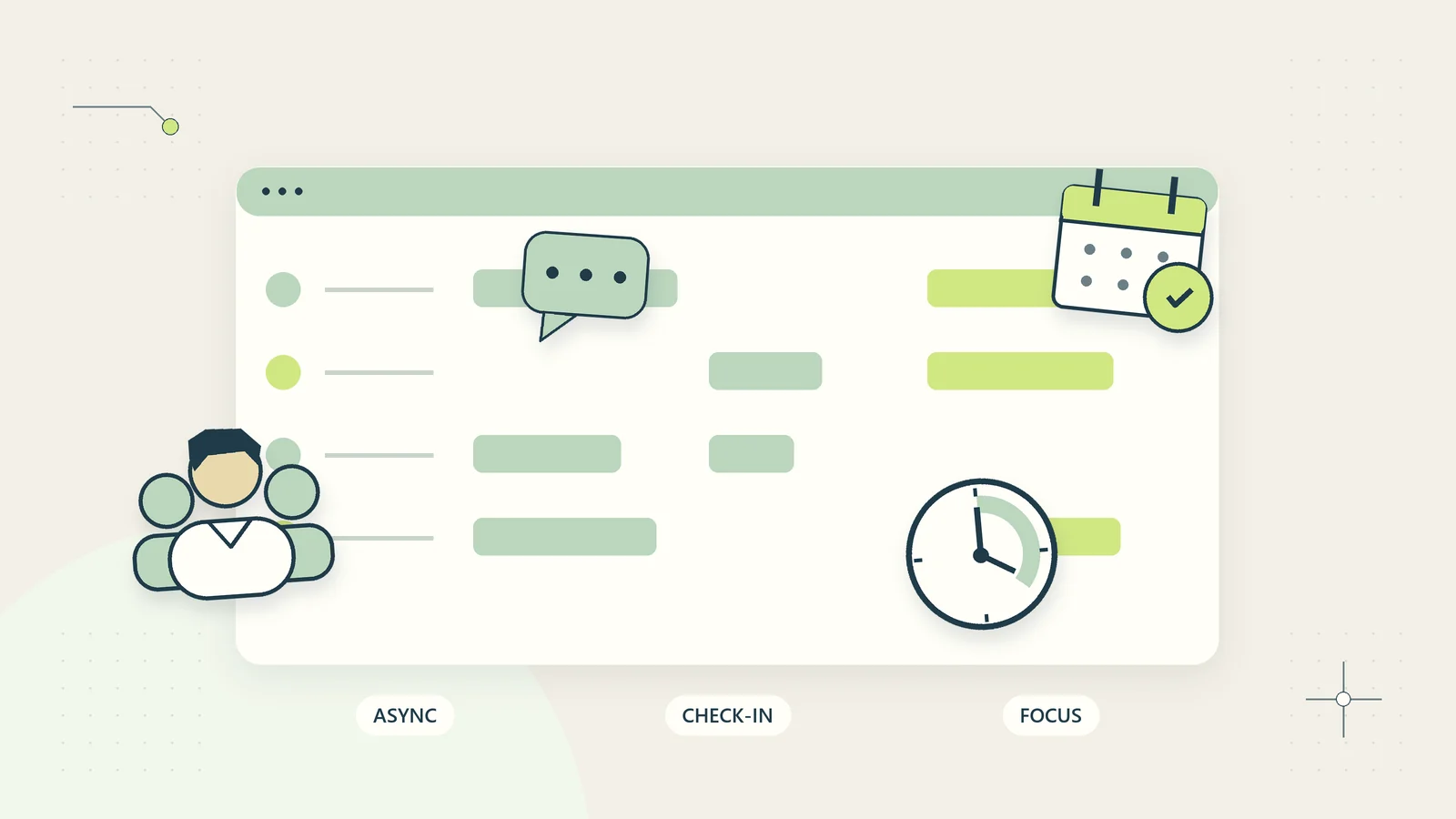
A remote team’s operating rhythm is the pattern that keeps work moving when people are not online together. It includes when requests are reviewed, how ownership changes, where decisions are recorded, and what happens when someone needs help. A calendar full of recurring meetings is only one possible part of that pattern.
For a small business, the useful goal is predictability without constant interruption. Colleagues should know when to expect a response, where to find the current state of work, and which issues need immediate attention. They should not need to monitor every channel throughout the day to discover what changed.
This guide develops an original operating rhythm around work, time zones, and decision needs. It includes a practical channel agreement, a hypothetical distributed-team example, and a pilot. It does not assume that every team should copy the practices of a large remote company.
Map the work that needs coordination
Start with the work rather than the existing meeting list. Identify recurring arrivals, handoffs, reviews, customer commitments, and decisions. Note which activities require several people to contribute and which only require others to see the result.
Separate routine progress from exceptions. A team may need a daily view of unassigned requests but only occasional discussion of an unusual scope conflict. Making everyone attend the same status conversation each day can hide that distinction.
Look for waiting caused by availability. Does a task stop because its reviewer is offline, because the next action is unclear, or because the request lacks context? Those are different problems. An extra meeting may resolve one while leaving the others unchanged.
Use the business handoff guide to define what the next person needs. Remote work exposes weak handoffs because the receiver cannot simply turn around and ask the sender. Better context often matters more than a faster messaging tool.
Write a small communication agreement
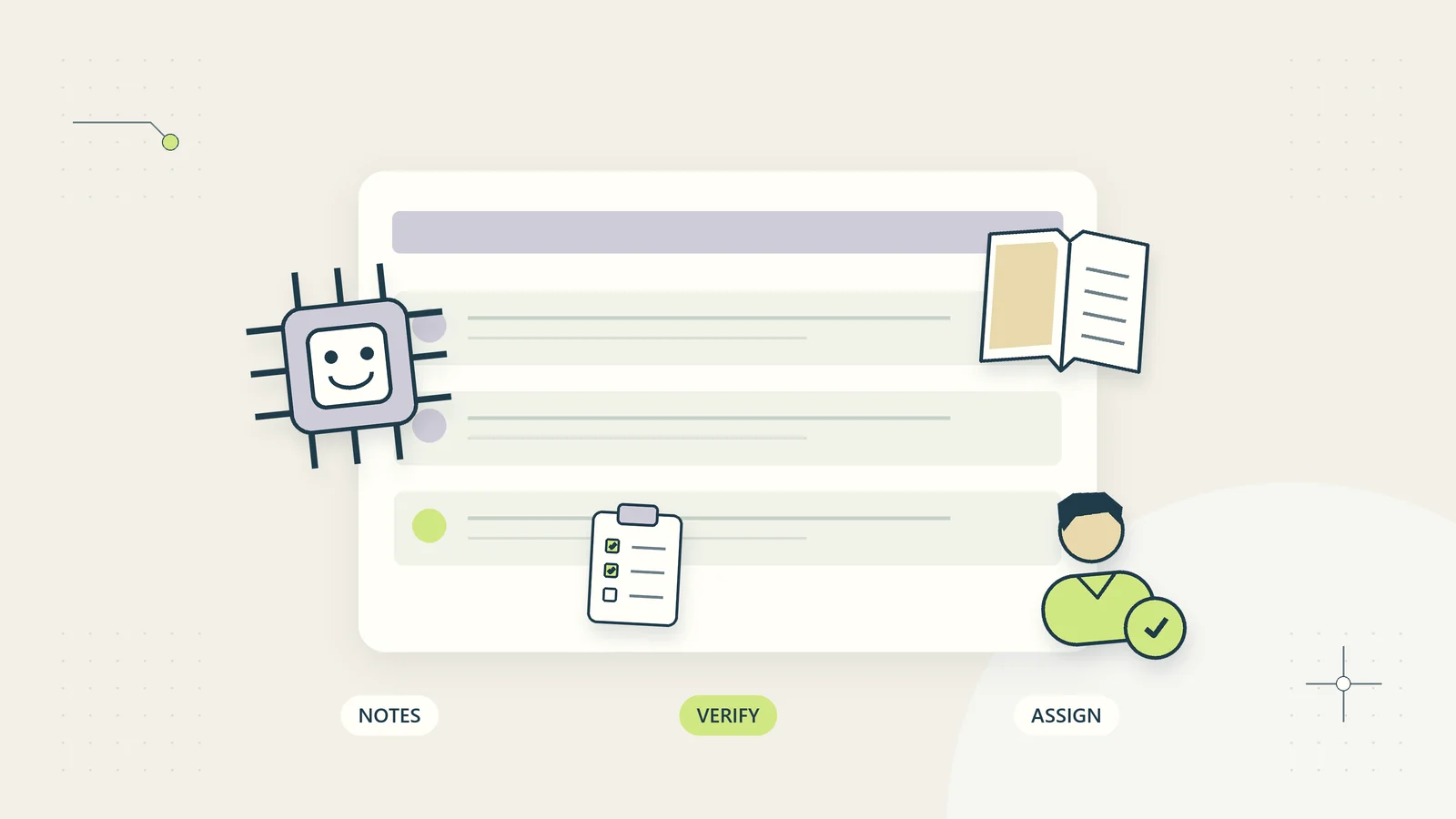
Agree where different kinds of information belong. The agreement should be short enough that a new colleague can use it during the first week. Name the purpose of each channel, who monitors it, and what response expectation applies during agreed working hours.
| Communication need | Suitable operating pattern | What the message should contain |
|---|---|---|
| Routine work update | Update the shared work record | State, next action, owner, blocker if any |
| Input from another person | Written request with a clear question | Context, options, needed response date |
| Urgent operational issue | Agreed monitored escalation route | Impact, current action, decision needed |
| Durable instruction | Maintained procedure or reference page | Owner, current method, relevant scope |
| Decision announcement | Short notice linked to the decision record | Outcome, effective point, affected work |
Do not promise instant responses in every channel. An expectation such as “reviewed during the next working period” can be more realistic than an undefined norm that everyone is always available. Match the agreement to the business’s actual service commitments and staffing.
Atlassian’s working agreements guidance treats communication practices as shared norms that need review when circumstances change. The table here is an original application to a small team, not a requirement to use a particular platform or run a formal workshop.
Make asynchronous work understandable
A written request should let the recipient act without reconstructing the conversation. Include the work reference, relevant background, exact question, proposed options if useful, and the point by which an answer is needed. Distinguish an accepted deadline from a preference.
Avoid sending a sequence of short messages that only reveals the request after the recipient responds. Put the complete question in the first message where possible. This is especially useful when the next working period begins many hours later.
GitLab’s remote collaboration guidance describes asynchronous work as productive collaboration that does not require people to be present together. The practical implication for a small team is to prepare enough context for independent progress, rather than treating delayed chat as a complete operating method.
Keep updates close to the work. A message can draw attention to an issue, but the shared record should show the resulting owner, decision, and next action. Otherwise an absent colleague may read an outdated task even though an important answer exists somewhere in chat.
Choose a cadence for each operating need
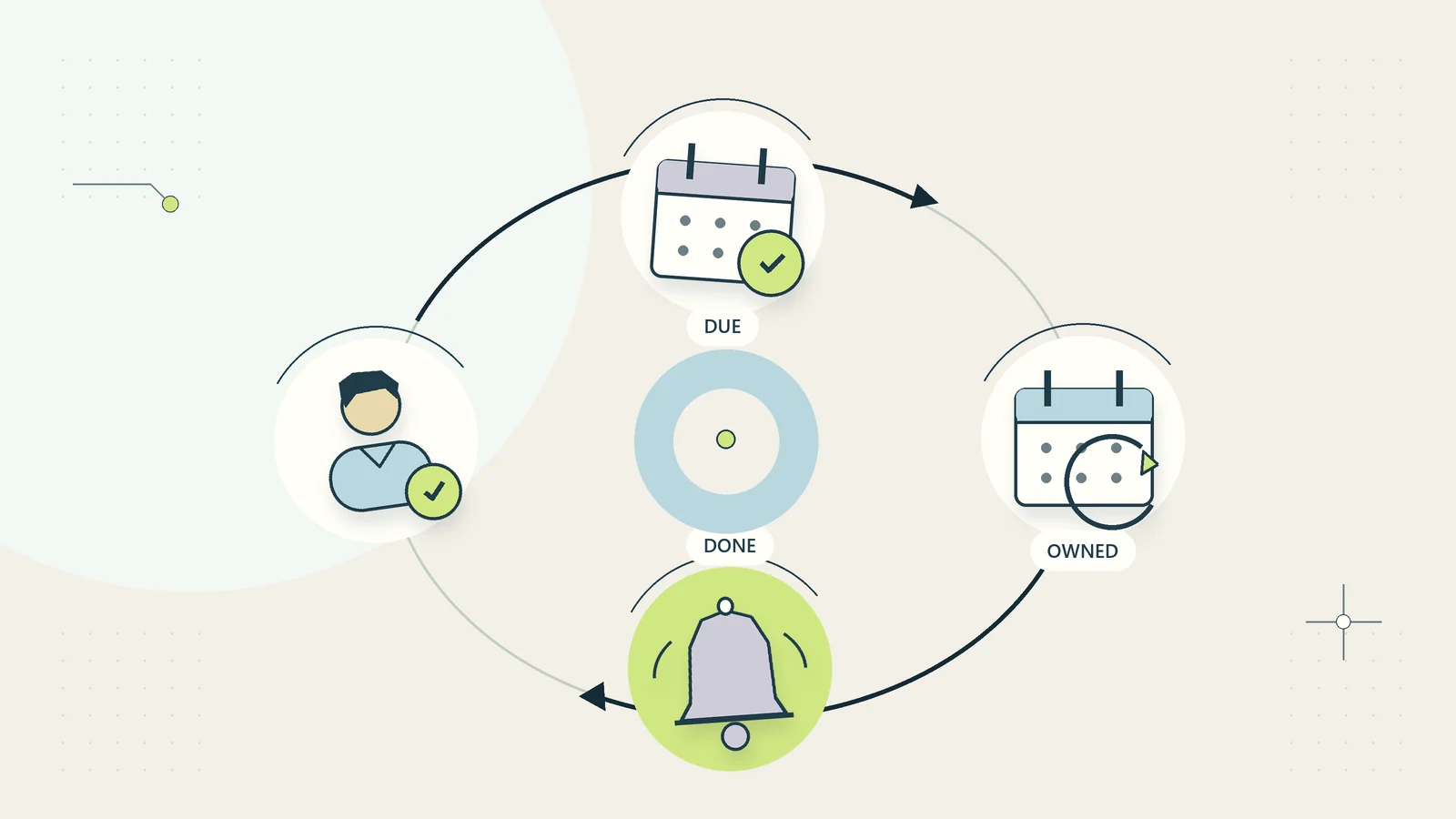
Different decisions need different review intervals. Unassigned incoming work may need attention every working day. Capacity and commitments may need a weekly review. Procedure changes may be reviewed less often, except when an urgent defect appears.
Start with the smallest cadence that keeps the work dependable. Each routine should have a purpose, an owner, an input, and an expected output. “Weekly team check-in” is less precise than “review accepted commitments and resolve work that lacks an owner.”
Combine routines only when the participants and decisions overlap. A single long session covering sales, delivery, finance, and documentation can require everyone to sit through material unrelated to their next action. Separate written updates from the small set of decisions requiring shared attention.
Connect repeatable routines to the recurring task system. The operating rhythm should survive a cancelled meeting or a colleague’s absence. A named owner and recorded outcome are more dependable than an invitation that happens to recur.
Use live discussion for a clear purpose
Some issues benefit from synchronous discussion: an ambiguous decision with several interacting constraints, a difficult disagreement, or a complex explanation that written exchanges have not resolved. Define the desired outcome before bringing people together.
GitLab’s meetings guidance asks whether asynchronous work can achieve the outcome and also recognizes a balance between synchronous and asynchronous communication. It additionally highlights time-zone considerations. These are useful questions to borrow without copying another company’s entire meeting policy.
For a necessary internal discussion, provide the relevant record beforehand and name the decision owner. Invite people whose knowledge is needed. Record the conclusion, rationale, and next actions in the authoritative location afterward so that attendance is not the only way to understand the result.
Review recurring sessions periodically. If a session mainly involves reading updates that already exist, try a written review with a route for questions. If a written exchange repeatedly takes days without resolving a shared ambiguity, a focused live discussion may be proportionate. Choose by the work, not by loyalty to one communication format.
Design around time zones and working calendars
Record normal working periods and relevant holidays in an accessible place, while respecting personal privacy. People need to understand availability for coordination, not provide a public account of their private lives.
Use explicit dates and time zones for meaningful commitments. “End of day” can be ambiguous across locations. A request should also make clear whether the timing concerns the sender, the recipient, or a customer in another region.
Identify dependencies that repeatedly cross working periods. A small question sent without evidence can cost an additional day if the receiver must ask for context. A complete handoff may allow the next person to begin independently when their day starts.
Avoid assuming that overlapping hours mean everyone should attend a standing meeting. Protect useful overlap for decisions that require it. Rotate unavoidable inconvenient times where appropriate, and evaluate the burden with the people affected rather than treating one location as the permanent default.
A hypothetical rhythm for a distributed service team
Imagine a fictional five-person team with colleagues working in Brazil, the United Kingdom, and Australia. It delivers written business resources and handles customer support asynchronously. The team does not promise continuous real-time coverage.
Each colleague updates assigned work before finishing their working period. The update names the current state, next action, and any decision that must be made before progress can continue. A duty owner checks newly arrived requests during the team’s published coverage periods.
The weekly planning routine uses a shared record of accepted work, available capacity, and unresolved dependencies. Colleagues contribute before a stated review point. The service owner records the final sequence and explains any changed commitment. A short live discussion is used only when the written contributions reveal an unresolved decision requiring joint attention.
In this hypothetical example, a customer sends contradictory information overnight. The duty owner acknowledges receipt where appropriate but does not guess which version is correct. They record the discrepancy and route a clear question to the authorized owner. Other ready work continues.
The team’s pilot would measure waiting for clarification, unowned requests, interruption volume, and missed handoffs. This scenario reports no observed performance improvement. It demonstrates how a rhythm can connect independent working periods without pretending that everyone is online at once.
Keep decisions durable and discoverable
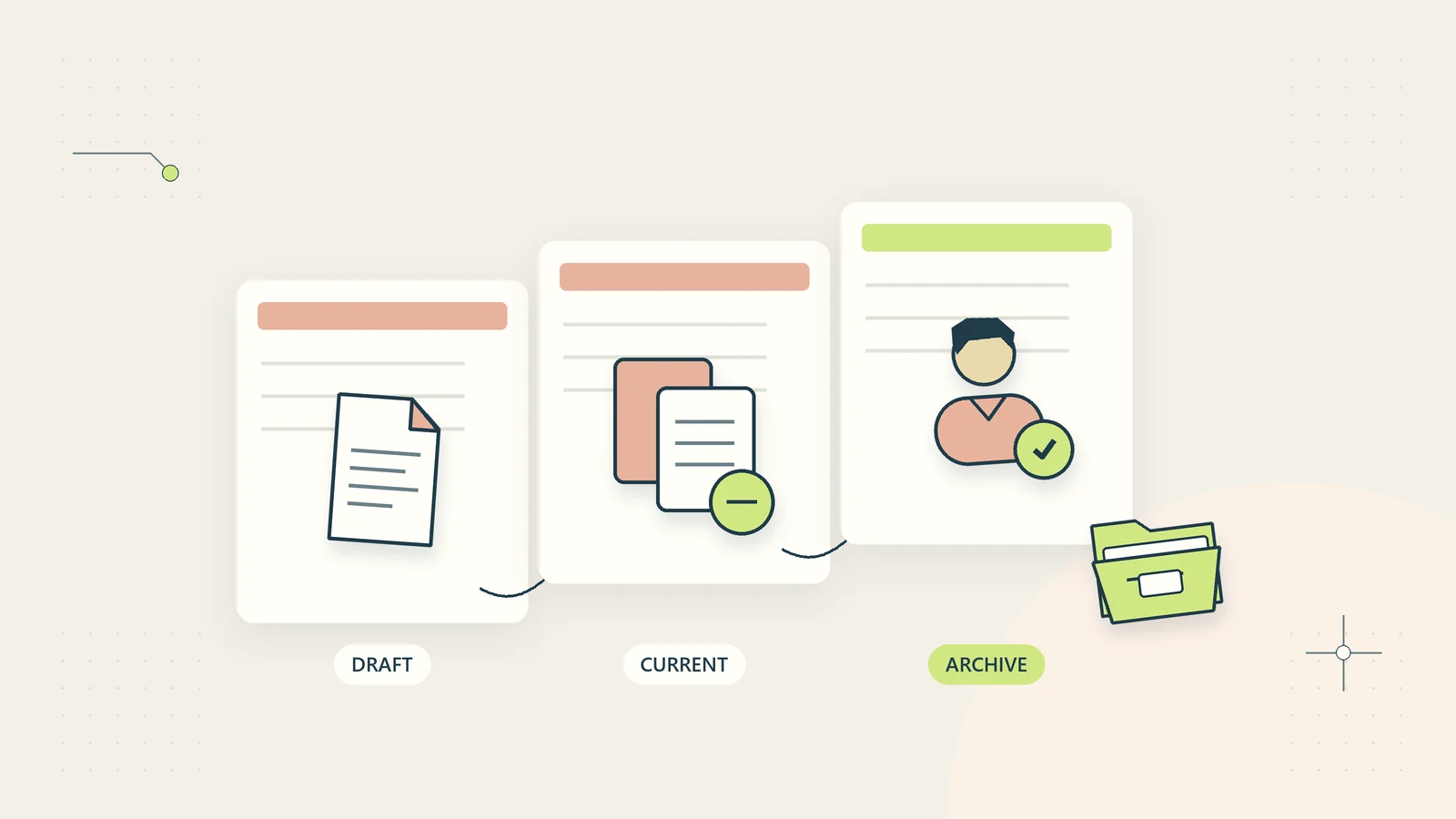
Record important operating decisions where future users will look for them. Include the question, chosen option, responsible decision maker, effective date, and implications for existing work. A short rationale can prevent the same debate from restarting later.
Link announcements to that record. Avoid allowing an old message, an exported document, and a revised task description to compete as the current instruction. If a decision changes a procedure, update the procedure rather than relying on colleagues to remember the announcement.
Use permissions suited to the content. Broad team visibility can help coordination, but confidential customer or employee information should remain in an appropriately restricted record. A summary can explain the operational effect without exposing unnecessary details.
The document version control guide helps keep changed instructions recognizable. Remote teams particularly need a clear current version because colleagues may encounter the same information at different times and through different channels.
Make escalation different from ordinary messaging
Define an urgent route with a monitored owner, coverage boundaries, and examples of qualifying issues. “Urgent” should describe the consequence of waiting, not simply the sender’s preference for a quick response.
State what to do if the first owner is unavailable. An escalation without a backup can be less dependable than the routine queue because people assume that sending the message has transferred responsibility.
Require enough context for action: affected work, known impact, what has already been attempted, and the decision needed. Do not include sensitive content in a broad channel when a restricted reference will suffice.
After the immediate issue is resolved, update the normal work record and examine whether the escalation revealed a process gap. Repeated urgent requests for the same missing input may justify changing the upstream instruction. A remote operating rhythm should reduce preventable emergencies rather than normalize them.
Watch for hidden coordination costs
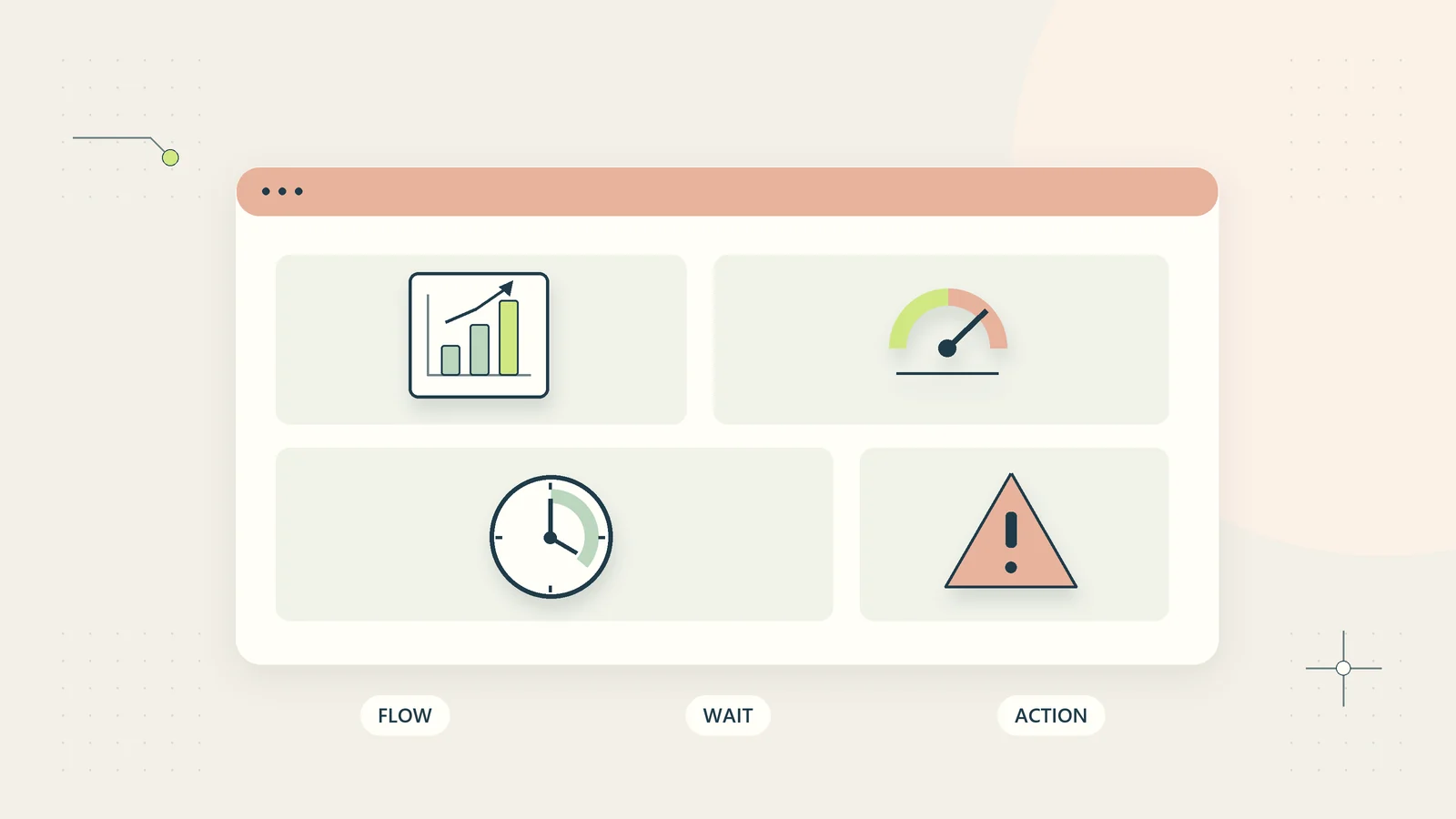
Measure time spent preparing updates, searching for decisions, and responding to repeated clarification. A reduced meeting count does not necessarily mean coordination became easier. Work may simply have moved into longer messages or private follow-up conversations.
Ask whose schedule carries the burden. A rhythm that feels efficient to one location may require another colleague to check messages outside agreed hours. Review the actual pattern rather than assuming a shared calendar is fair because everyone can see it.
Look for missing voices in decisions. A colleague who is offline when a discussion happens still needs an appropriate opportunity to contribute where their knowledge matters. A defined written contribution window can help, provided urgent exceptions have a separate route.
Use the operations dashboard guide for a few process signals, such as waiting cases and unassigned work. Avoid turning presence indicators, message counts, or keyboard activity into substitutes for understanding whether useful work was completed.
Pilot the rhythm for a representative cycle
Choose one team or process and preserve a baseline of its current coordination problems. Record examples of missed handoffs, repeated clarification, unavailable decision makers, and unnecessary interruption. Select a few changes that address those observed problems.
Publish the trial agreement, including working-period assumptions, update location, review cadence, and escalation route. Test it with a routine request, an unavailable owner, and a conflicting input. Check that backups can find the information without personal explanations from the original designer.
During the pilot, collect both operating evidence and colleague feedback. Distinguish dissatisfaction with a new habit from an actual loss of context or an unreasonable availability expectation. Adjust the rhythm where evidence shows it does not fit the work.
At the review date, keep the routines that make ownership and decisions clearer. Simplify those that add reporting without useful action. A remote operating rhythm should give people enough structure to work independently and enough shared context to coordinate when the work genuinely connects them.
Give new colleagues a usable first-week view
Summarize the operating rhythm in one short reference for onboarding. Include where work is assigned, where current decisions live, normal response expectations, the urgent route, and how availability is shown. Link to detailed procedures rather than reproducing every communication rule in the welcome message.
Give the new colleague a harmless practice scenario. Ask them to find a task’s current owner, locate the latest decision, and submit a question containing enough context for someone in another time zone to answer. The exercise can reveal gaps in navigation or terminology that established staff no longer notice.
Explain what happens when the rhythm breaks. A missed update, an unavailable approver, or an inaccessible document should have a recovery route. New colleagues should not feel obliged to improvise a public escalation simply because they cannot find the expected record.
Review their experience after the first operating cycle. If they needed personal explanations for several routine steps, improve the shared reference. A rhythm that can be learned from current records is more durable than one transmitted only through informal habits and the patience of a few long-serving employees.
Sources and editorial method
Checked on October 15, 2026. The channel agreement, cadence design, distributed-team scenario, and pilot are original practical analysis. The scenario is hypothetical and does not claim measured results. The official references support limited communication concepts rather than a recommendation to purchase software.
- Atlassian: Working agreements supports the brief reference to shared communication norms and review when circumstances change.
- GitLab: Remote collaboration and whiteboarding supports the limited definition of asynchronous collaboration.
- GitLab: All-remote meetings supports the limited discussion of testing whether a meeting is necessary and considering participants’ time zones.